
- Alpacas: Social Animals and Their Behavior
- Nutritional Needs: A Closer Look at Snacks for Alpacas
- Daily Care and Interaction with Alpacas
- Importance of Animal Care Q&As for Engaging Potential Visitors
- Conservation Efforts and the Role of Farms in Education
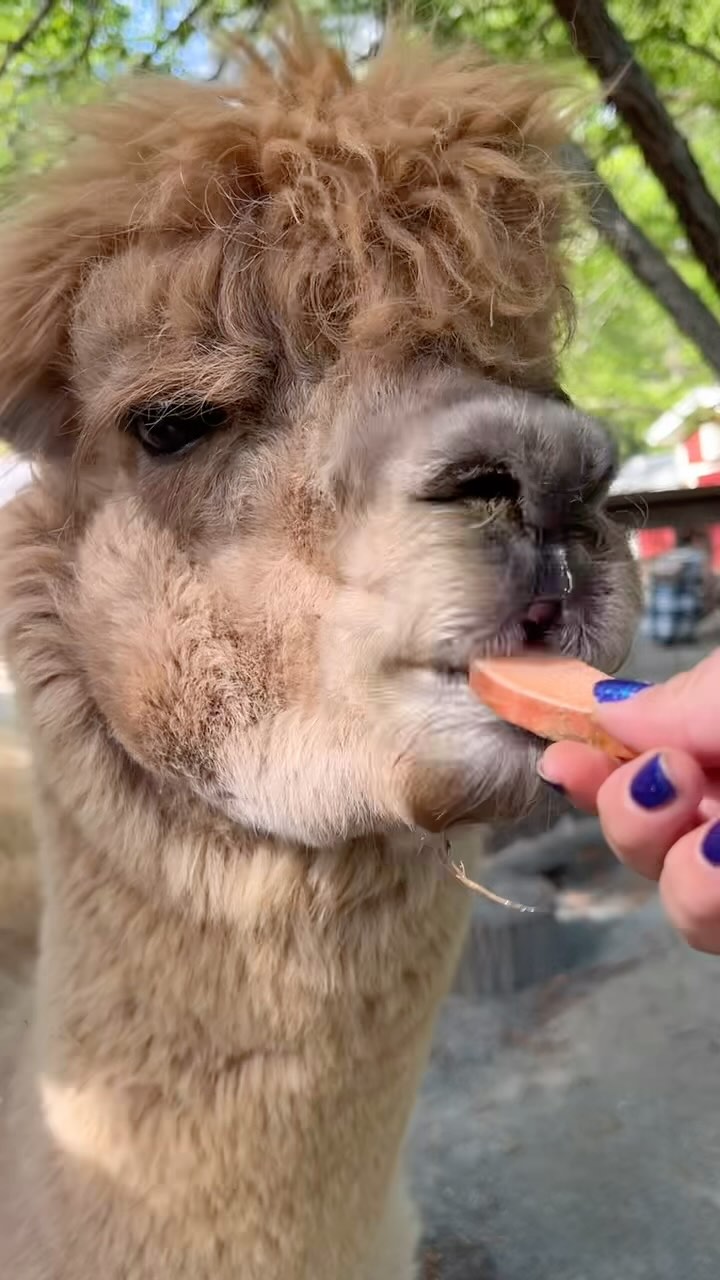
Alpacas are captivating animals known for their gentle demeanor and social structures. This article focuses on a delightful scene observed at the farmyard where Emily, Equinox, and Ray showcase their playful interactions during snack time. These interactions offer a view into the social dynamics of alpacas, their nutritional needs, and the significance of continuous animal care education.
Alpacas, native to South America, display social behaviors that are essential for their well-being. Living in herds, they rely on one another for companionship and protection. The fact that they take turns eating snacks serves not only as a delightful spectacle but also illustrates their disciplined social structure. Each alpaca in the group learns the art of patience as the others enjoy their treats. This behavior is noteworthy as it emphasizes how alpacas communicate and share within their group, promoting strong social bonds.
The snacks offered to the alpacas, often consisting of vegetables like sweet potatoes and carrots, are crucial for their diet. Alpacas are primarily herbivores and graze on grass, but they benefit from various vegetables as treats. Sweet potatoes, rich in vitamins and minerals, serve as a healthy indulgence. Similarly, carrots are low in calories and provide essential nutrients. Understanding their dietary needs is fundamental when caring for these animals. Proper nutrition directly impacts their health, mood, and behavior, underscoring the importance of appropriate feeding practices.
Daily care routines for alpacas at the farmyard include not only feeding but also health checks and interaction with caregivers. Staff conduct thorough assessments on the animals to ensure they are physically healthy and socially engaged. Grooming is an essential part of maintaining their well-being. Alpacas can accumulate dirt and debris in their fleece. Regular grooming not only keeps their coats clean but also serves as an opportunity for bonding between the animals and their caretakers. This interaction is fundamental in building trust, which enhances the alpacas’ comfort around humans.
Animal Care Q&As at the farmyard play a vital role in educating visitors about alpacas and animal management. These sessions allow people to engage directly with knowledgeable staff, asking questions about care routines, alpaca behavior, and health requirements. This firsthand exposure broadens understanding and appreciation for these animals. It also fosters a connection between attendees and the farm’s mission, enhancing awareness about the importance of animals in agriculture and conservation efforts.
The role of farms in education extends beyond direct interactions with animals. They also serve as platforms for discussing broader conservation strategies. Farms like the one hosting Emily, Equinox, and Ray participate in efforts to promote sustainability and animal welfare. Educating visitors creates advocates for animal rights and environmental stewardship. Establishing connections between people and animals cultivates a sense of responsibility towards wildlife and habitat preservation.
While spending time at the farmyard and witnessing just a minute of alpacas taking turns eating snacks, audiences find a joyful and significant aspect of animal care. Pairing their charming behavior with educational insights provides a holistic experience. Observing how these animals interact while enjoying their treats emphasizes the need for a supportive environment in which they can thrive.
Alpacas have a fascinating digestive system that is conducive to processing fibrous plant material. They have three stomach compartments, each designed for breaking down food efficiently. This unique structure allows them to extract maximum nutrients from their diet, which is especially important as they consume a high-fiber diet primarily made up of grasses. This biology underscores the focus on providing snacks that complement their primary feed without upsetting their digestive system.
Monitoring an alpaca’s health is vital for any farm manager or animal caretaker. Common health indicators include maintaining a healthy weight, bright eyes, and normal behavior patterns. A sudden shift in appetite or behavior can indicate health issues that require immediate attention. By participating in daily routines and Q&A sessions, caregivers effectively educate visitors about these ingredients for healthy alpaca management.
Through engaging activities like snack times and educational talks, the farmyard becomes more than just a place for agriculture; it evolves into a learning center focusing on the broader context of animal care and conservation. By encouraging visitors to ask questions and observe animal behaviors, farms can help cultivate a generation that is attentive to the needs of animals and the imperative of ecological preservation.
As visitors witness the alpacas taking turns at snack time, the experience serves as an invitation to appreciate their social needs and natural behaviors. Each turn at the snack bowl can be seen not as a mere routine but as an essential component of their social fabric. This engagement reinforces positive behaviors among the herd, allowing them to thrive in a setting that respects and nurtures their needs.
The interaction between visitors and alpacas occurs within a carefully crafted environment aimed at promoting well-being. This is seen in organized feeding times, which are designed not just to meet nutritional needs but also to facilitate interaction. Observations such as this highlight the need for understanding animals as social beings, capable of forming relationships and hierarchies that reflect their needs.
Educating the public about the complexities of alpaca care not only promotes animal welfare but also encourages advocacy for sustainable agricultural practices. This awareness is critical in fostering a culture of respect for wildlife. More collaborations between farms and educational programs can lead to heightened interest in conservation and animal rights, engendering a more informed public passionate about making a difference.
In understanding just a minute of alpacas taking turns eating snacks, one can appreciate the larger picture of animal care that extends into broader systemic approaches to farming and conservation. Farms can serve as community hubs for education, bridging gaps between people and animals, while also promoting sustainable practices. Educational interactions foster empathy, a vital trait when considering the relationship between humans and animals.
Through activities like the snack time shared by alpacas, visitors receive a comprehensive view of the intricacies of animal husbandry, health management, and social structures among species. This knowledge contributes to a well-rounded understanding of our responsibilities toward the animals we raise and the environment we inhabit. Conversations facilitated during these moments can inspire lifelong advocates for animal welfare and conservation efforts.
The scene at the farmyard where Emily, Equinox, and Ray enjoy their snack reminds us of the joy found in nature and the importance of nurturing these moments. Each interaction, be it a simple turn at a snack bowl or an in-depth FAQ session, plays an essential part in cultivating awareness and respect for all living beings. Each experience encapsulates the beautiful simplicity and complexity of the animal kingdom, which serves as a constant reminder of our duty to protect and care for it.
*****
Source Description
Just a minute of alpacas taking turns eating snacks 🍠🥕
Visit the Farmyard to learn more about Emily, Equinox, and Ray (L to R), and be sure to stop by at 4:30 pm for daily Animal Care Q&As!
📹: Animal Care Jenn
