
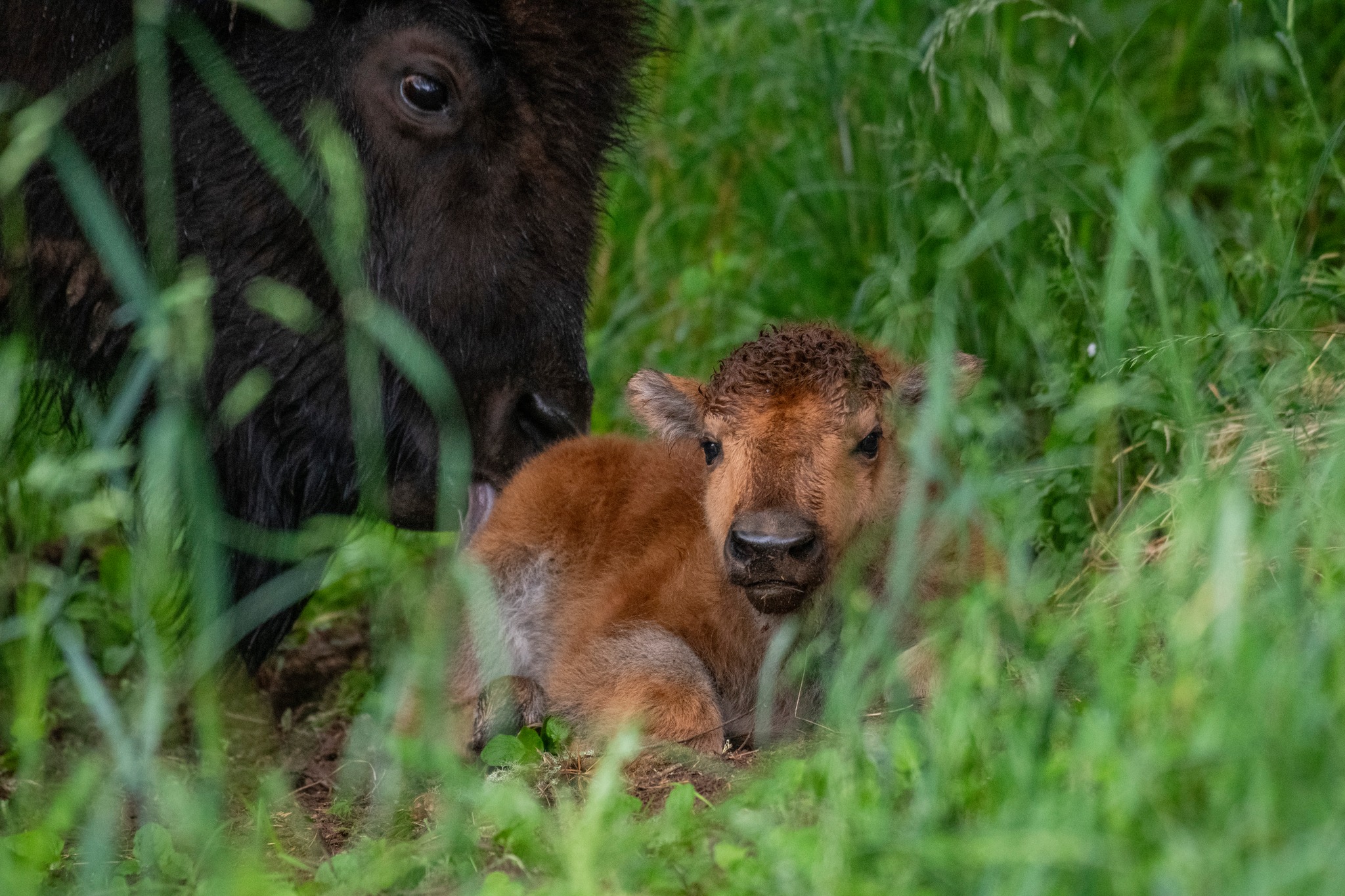
- The birth of an American bison calf and its significance to the ecosystem.
- The biology and behavior of bison, focusing on calves and their development.
- The role of wildlife conservation in protecting bison populations.
- The importance of zoo management in fostering sustainable populations.
- Educational opportunities arising from new births in wildlife preserves.
The birth of an American bison calf is a notable event, especially when it happens over Memorial Day weekend. This event not only brings joy but also symbolizes hope for the future of a species that once faced the brink of extinction. The new arrival is already charming visitors with its spirited antics, trotting energetically around its habitat. Its mother, Sunny, watches over it, ensuring its safety and aiding its exploration of the Free-Roaming Area.
American bison are a keystone species in the North American grasslands ecosystem. Their grazing patterns help maintain the balance of plant species, which in turn supports a wide range of wildlife. Young calves play a critical role as they learn to navigate their environment, contributing to the dynamic interactions within their ecosystem. Understanding the development of bison calves can offer insights into how we can enhance conservation efforts for this iconic species.
Bison calves are born after a gestation period of about nine months. They weigh between 30 and 70 pounds at birth and are typically reddish-brown, a color that helps camouflage them from predators. Within hours, they stand and begin to walk, a necessity for survival. The bond between the calf and its mother is essential during the early weeks, as the mother guides and protects the young calf. Calves are nursed for approximately seven months before weaning begins. During this time, they learn essential survival skills, including grazing and recognizing predators.
Wildlife conservation efforts have been crucial in protecting and reestablishing bison populations. At one point, the American bison nearly went extinct due to overhunting and habitat loss. Today, conservation initiatives focus on habitat restoration, population management, and genetic diversity. Managed areas, like the Free-Roaming Area where our new calf was born, are integral to these efforts. They provide a safe environment for bison to thrive while promoting genetic health through carefully monitored breeding programs.
Zoo management also plays a vital role in these conservation efforts. Modern zoos and wildlife parks aim to mimic natural habitats and provide educational experiences for visitors. By promoting awareness and understanding of bison and their role in the ecosystem, zoos can foster public support for conservation initiatives. The birth of a bison calf serves as an educational opportunity, drawing attention to the importance of preserving wildlife and encouraging stewardship.
The educational potential of new births is immense. Schools and families visiting zoos gain firsthand insights into animal behaviors and life cycles. Such experiences can spark interest in biology, conservation, and environmental stewardship. By observing the interactions between the calf, its mother, and other bison, observers can gain a deeper appreciation of nature’s intricacies.
In summary, the arrival of an American bison calf is a testament to successful conservation and management efforts. It highlights the importance of biodiversity and the continuous need for awareness and protection of our natural world. Through collaborative efforts, we can continue to ensure the survival and prosperity of these majestic creatures for generations to come.
*****
Source Description
An American bison calf made a memorable entrance over Memorial Day weekend! ❤️ The adorable bison baby was born just six days ago in the Free-Roaming Area, a delightful addition we are so thrilled to welcome. The young calf is already showing off its spirited little personality, trotting around and exploring its surroundings with curiosity while staying close to its mom, Sunny. 🦬
