
- Habitat and Behavior of American Bullfrogs
- Importance of American Bullfrogs in Ecosystems
- Observing American Bullfrogs in Urban Areas
- Conservation Challenges and Management Strategies
- Educational Importance of American Bullfrogs
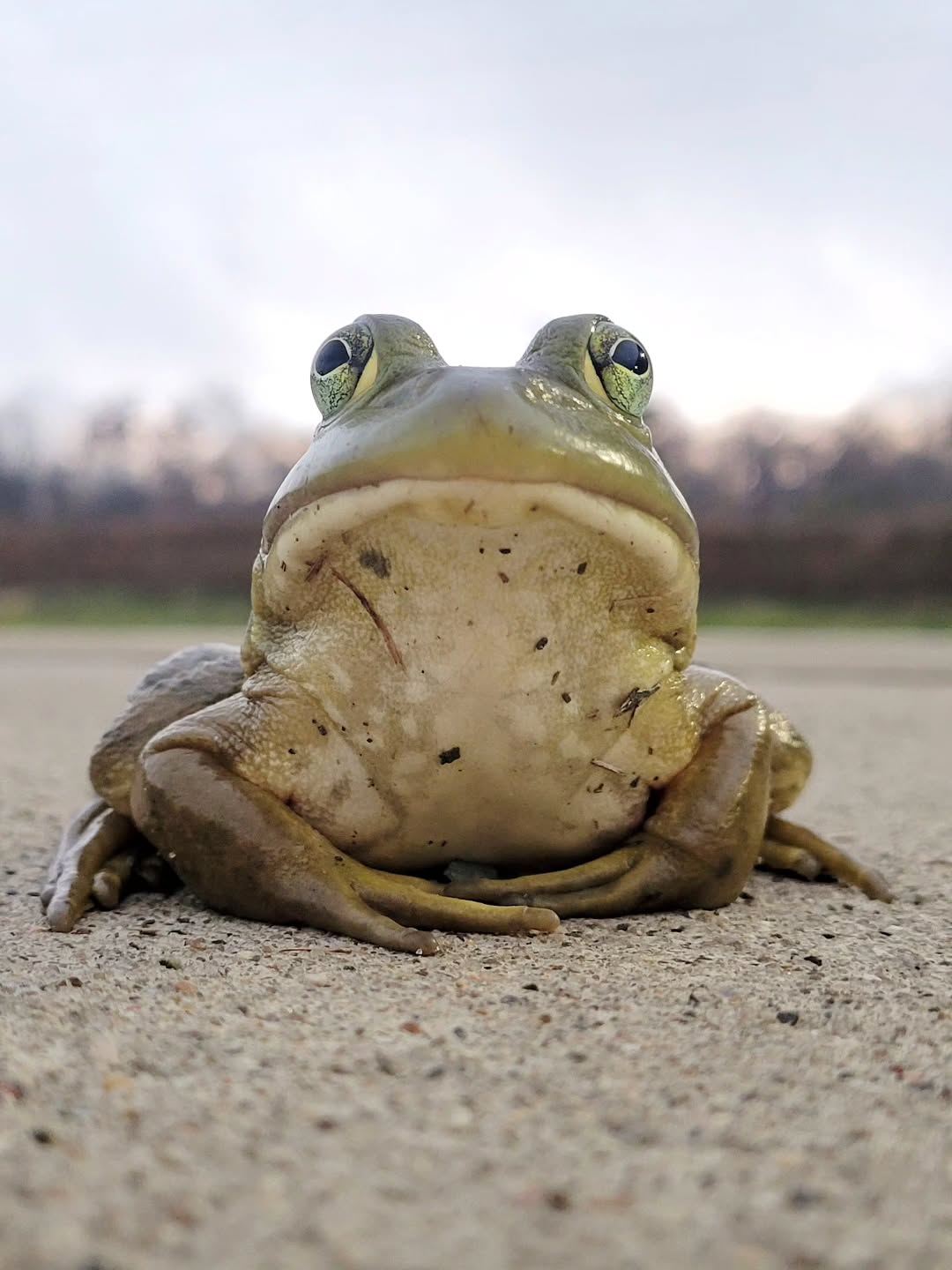
American bullfrogs (Lithobates catesbeianus) are intriguing amphibians commonly found in the eastern United States and parts of Canada and Mexico. They thrive in a variety of habitats, including ponds, lakes, and marshy areas. However, it is not uncommon to find them in urban settings, such as parking lots, where they can sometimes be seen basking during warmer months. The presence of these frogs in unexpected urban environments raises important questions about their behavior, habitat needs, and the ecological roles they play.
American bullfrogs are highly adaptable creatures. They prefer aquatic environments but can also travel considerable distances away from water. These frogs are typically found near water bodies that provide ample food sources. They are primarily carnivorous, feeding on insects, small fish, and other amphibians. Their diet plays a critical role in controlling insect populations, making them important contributors to their local ecosystems.
When we observe American bullfrogs in a parking lot, it is crucial to recognize that their presence indicates that nearby aquatic environments may be accessible. A nearby pond or wetland may serve as their primary habitat. Even in urban settings, they demonstrate resilience and adaptability, exploring spaces that may seem inhospitable to other wildlife. This adaptability is vital for their survival, especially as urbanization continues to encroach on natural habitats.
The ecological importance of American bullfrogs cannot be understated. As both predators and prey, they occupy a significant position in the food chain. Young bullfrogs, also known as tadpoles, consume algae and plant matter, thereby contributing to nutrient cycling in aquatic ecosystems. Adult bullfrogs, on the other hand, are known to prey on a variety of organisms, further maintaining ecological balance. Their role as a food source for larger predators, like birds and mammals, underscores their importance in sustaining biodiversity.
Sightings of American bullfrogs in urban areas, including parking lots, provide unique opportunities for education and engagement. Urban wildlife observation can foster a greater appreciation for biodiversity in our surroundings. Educational programs focusing on local amphibians can encourage communities to take an active interest in wildlife conservation efforts. By highlighting the ecological roles of American bullfrogs, we can inspire individuals to participate in activities such as habitat restoration and clean-up initiatives.
Despite their ecological significance, American bullfrogs face numerous conservation challenges. Urbanization is one of the leading threats to their populations. The development of land for housing and commercial use often leads to habitat destruction and fragmentation. Wetlands are particularly vulnerable as they are often drained or filled for development. Furthermore, water pollution can degrade the quality of their habitats, affecting their health and, in turn, their population dynamics.
Invasive species also pose threats to American bullfrogs. Notable examples include the introduction of the red swamp crayfish and the common carp, which can outcompete native species for resources. This competitive pressure can lead to declines in native amphibian populations, including local bullfrog numbers. Additionally, climate change presents unprecedented challenges, including shifts in habitat distributions and life cycle alterations.
Effective management and conservation strategies are essential for protecting American bullfrog populations. Community involvement is paramount. Education and outreach can nurture stewards of the environment who proactively engage in conservation efforts. Creating and maintaining wetland habitats can help accommodate these adaptive amphibians, even in urban areas. City planners and conservationists can work collaboratively to identify natural corridors that connect habitats, allowing bullfrogs and other wildlife to thrive.
Legislation aimed at protecting wetlands and regulating pollution must be enforced at local, state, and national levels. Efforts to control invasive species through regional management programs are crucial. By fostering collaborative relationships between government, NGOs, and local communities, more robust and effective conservation strategies can be developed.
American bullfrogs can also serve as bioindicators, providing insight into the health of their ecosystems. Their sensitivity to environmental changes makes them valuable for studying ecological stressors. Monitoring bullfrog populations can aid researchers in assessing environmental quality and the impacts of human activities on aquatic ecosystems.
Observing an American bullfrog in an unexpected setting like a parking lot offers a chance to reflect on the interconnectedness of urban life with nature. It reminds us that nature can find a way to adapt, even in urbanized areas. Simple interactions with wildlife can inspire conservation awareness and prompt action within communities. Educational initiatives should highlight not only the existence of these creatures but also their roles in ecosystem health.
The rich educational potential of American bullfrogs lies in their life cycle, behaviors, and habitats. Programs tailored for schools can teach children about amphibians and their importance. They can learn about the metamorphosis of bullfrogs, from eggs to tadpoles, and finally to adult frogs. Understanding this life cycle fosters emotional connections to nature, igniting a passion for wildlife conservation among younger generations.
Exploring the correlation between environmental health and amphibian populations enhances public understanding of biodiversity. Activities such as frog watches can involve community members in citizen science, allowing them to contribute valuable data while building connections with their local environments. Such engagements are foundational for instilling a sense of responsibility toward conservation.
Urban environments can serve as important habitats for American bullfrogs and other wildlife. To capitalize on this potential, cities can implement green spaces and preserve natural areas like parks or wetlands. These modifications can mitigate the negative effects of urbanization and form pathways for various species, including amphibians.
In engaging communities, it becomes vital to address common misconceptions about bullfrogs. For instance, their loud croaking, often perceived as a nuisance by urban dwellers, serves essential purposes. These vocalizations are critical during mating season as male bullfrogs call to attract females. Recognizing this behavior aids in fostering a more positive attitude towards these frogs.
Awareness campaigns can also highlight the importance of responsible pet ownership while discouraging the release of unwanted pets into local ecosystems. This is particularly relevant in the case of American bullfrogs, as they can represent a significant threat to native amphibian species when introduced in non-native habitats.
Efforts in educating the public regarding the repercussions of habitat loss emphasize the importance of preserving local ecosystems. Informational programs could cover the consequences of dilapidated wetlands and the impact on species diversity. By providing knowledge, communities are empowered to advocate for improved land-use practices that prioritize ecological conservation.
Developing partnerships between educational institutions and wildlife organizations can lead to rich, dynamic educational experiences. These programs can use the American bullfrog as a focal species, promoting interdisciplinary learning that connects biology, ecology, and environmental science.
American bullfrogs, particularly in urban settings, can serve as powerful symbols for wildlife conservation and environmental stewardship. They demonstrate resilience and adaptability, traits essential for survival in the face of challenges. By fostering community engagement and awareness, we can build a culture that values and supports biodiversity.
The presence of American bullfrogs in unusual settings like parking lots should ignite curiosity rather than concern. Engaging with these amphibians, understanding their ecological roles, and advocating for their conservation can lead to lasting positive impacts on both wildlife and human communities. Their remarkable adaptability reminds us that nature persists through challenging circumstances, and as stewards of the environment, we hold the responsibility to protect these irreplaceable assets.
*****
Source Description
American bullfrog (Lithobates catesbeianus) 📷 in a parking lot
