
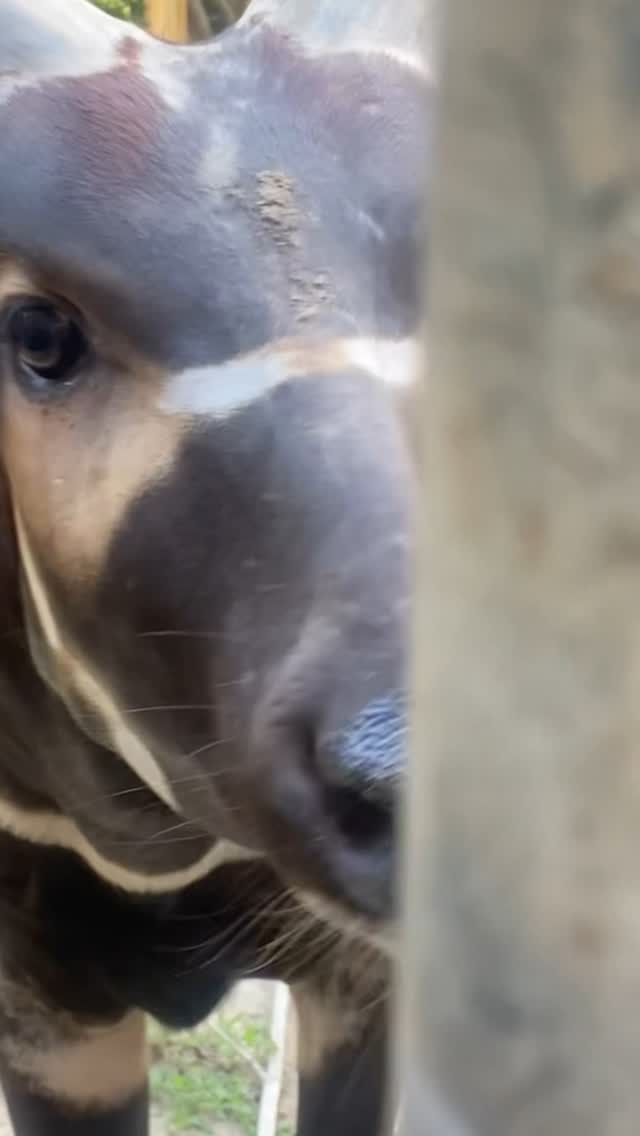
- Overview of the Bongo’s Physical Characteristics
- Habitat and Distribution of Bongos
- Behavioral Traits and Social Structure
- Conservation Status and Threats Facing Bongos
- Meet Bahati and Eburu: The Zoo’s Bongos
The bongo (Tragelaphus eurycerus) is a strikingly distinctive species of antelope native to the dense forests and mountain ranges of Africa. With its characteristic orange-brown coat and white stripes, the bongo stands out among its fellow antelope species. Physical traits play a crucial role in their adaptability to forest life. Adult bongos can weigh between 400 to 900 pounds, with males larger than females. Their long, spiral horns can reach lengths of up to 39 inches and are primarily used for display during mating rituals and competition among males.
Bongos are equipped with a powerful sense of hearing and agility, which enables them to escape from predators. Their body structure is streamlined, with long legs designed for traversing uneven forest terrain. Additionally, their hooves are unique adaptations that allow for silent movement through their habitats, an advantage when avoiding danger. These physical characteristics enable bongos to thrive in their natural settings, where dense vegetation provides both food and shelter.
Bongos inhabit tropical rainforests, swamps, and mountainous areas across Central and West Africa. They prefer areas with abundant vegetation, which provides leaves, fruits, and herbs as a primary food source. Forests such as the Congo Basin are home to many bongos, although these antelopes also venture into open grasslands or shrublands when necessary. The distribution range of bongos has gradually diminished due to habitat loss caused by logging and agriculture. In certain locations, such as the lowland rainforests of Cameroon and Gabon, bongo populations are declining, leading to greater concerns about their long-term survival.
Bongos exhibit fascinating social behavior, displaying both solitary and social habits. They tend to be nocturnal, foraging at night to maintain a low profile and evade predators such as leopards and lions. During the day, they often rest in dense underbrush, utilizing their camouflage to blend into their surroundings. Bongos are typically found in small groups, consisting of females and their offspring, while males are generally solitary, coming together only during mating seasons.
Communication within bongo groups is essential for maintaining social cohesion. They produce a range of vocalizations, including grunts and hoots, to convey various social signals. These forms of communication are crucial during breeding seasons when males compete for attention from females. Bongos can also use scent marking to communicate territorial boundaries, establishing a hierarchy among males as they compete for dominance.
The bongo is listed as Near Threatened on the IUCN Red List due to various threats impacting their populations. Habitat loss from deforestation, illegal hunting, and poaching has greatly affected their numbers. In many regions, eco-friendly practices and sustainable land use have become essential strategies to preserve their habitats. Conservationists are working closely with local communities to educate them about the importance of protecting this species and its environment.
In zoos and wildlife sanctuaries, efforts are being made to breed bongos and raise awareness about their conservation needs. This is where Bahati and Eburu come into focus, showcasing the beauty of this species and the need for conservation efforts. Bahati is a captivating female bongo with a keen sense of curiosity, while Eburu, the male, embodies strength and grace. Their presence at the zoo serves a dual purpose—entertaining the public and educating visitors about the importance of wildlife protection.
Visitors to the zoo can observe these amazing creatures up close, often witnessing their natural behaviors. Zookeepers, like Travis, play a vital role in their care and provide valuable information about bongos and their habitats. Through interaction and education, zookeepers help raise awareness of the challenges these antelopes face, encouraging a deeper understanding of wildlife conservation.
The bongo’s significance in its ecosystem cannot be underestimated, as they play a role in shaping the understory of the forests they inhabit. Their browsing habits can aid in seed dispersal, promoting plant diversity. Protecting units of secondary forest and ensuring bongo habitats are undisturbed can lead to healthier ecosystems.
Captive breeding programs for bongos are vital for genetic diversity and population support in the wild. Institutions are working to maintain a genetically viable population to be reintroduced into their natural habitats when conditions allow. Zoos also support research initiatives that analyze behavioral adaptations and health monitoring, ensuring that bongo populations can thrive both in captivity and in the wild.
Zoos today strive to provide environments that mimic the natural habitats of their animal residents. Enclosures for Bahati and Eburu are designed to reflect their forest environment, complete with climbing structures, shaded areas, and vegetation that encourages natural behaviors. This approach not only benefits the animals but also enhances visitor experience, as they can witness behaviors indicative of bongo lifestyles.
In addition to captive care, the zoo engages in broader conservation efforts such as habitat restoration initiatives in Africa. Partnerships with local organizations aid in raising funds and resources for on-the-ground conservation projects. Education is at the forefront of these efforts—by connecting visitors with the plight of bongos, zoos aim to inspire future generations to advocate for wildlife preservation.
Bahati and Eburu are more than just attractive exhibits; they symbolize the collective effort to protect a species at risk. Visitors encountering them can absorb valuable insights into the importance of biodiversity and conservation work. Learning pathways, informative displays, and interactive programs within the zoo help cultivate environmental stewardship among all who pass through.
The future of the bongo, like many other wildlife species, depends on awareness, education, and meaningful action. Understanding the delicate balance between human activities and wildlife conservation encourages proactive measures that benefit not only species like the bongo but ecosystems as a whole. By appreciating the unique attributes and contributions of each species, society can work towards sustainable solutions that foster coexistence.
Through education and engagement, Travis and the zoo team help raise public awareness about the value of these remarkable antelopes. Observing Bahati and Eburu reminds visitors of nature’s complexity and fragility. There is no doubt about the importance of continued conservation efforts to protect these beautiful animals.
As biologists and conservationists strive to address the challenges facing bongos, raising awareness among the general public remains crucial. Each individual can contribute to the cause—be it through supporting local conservation efforts, advocating for sustainable practices, or even learning more about wildlife in their own communities.
Bongos, like Bahati and Eburu, have characteristics that define not only their species but the intricate ecosystems they inhabit. Their survival reflects the ongoing struggle to protect wildlife and their environments. By understanding their needs and challenges, individuals can take actionable steps to ensure a balanced coexistence with nature.
As we reflect on the importance of species like the bongo, it becomes clear that knowledge, combined with respectful action, can foster a sustainable future for all wildlife. Understanding the needs of these animals and the ecosystems they inhabit will help pave the way for conservation efforts that rippled throughout their native ranges and beyond. As stewards of the earth, every participant plays a role in protecting the natural world and the creatures that call it home.
*****
Source Description
It’s Animal Care Professional Travis is here to tell you all about bongos and introduce you to Bahati and Eburu, the two beautiful bongos that call the Zoo home! 🌿
