
- New habitats for animals at the Columbus Zoo provide better welfare and viewing experiences.
- Changes to the Columbus Zoo train operation improve animal acclimation following habitat adjustments.
- The relocation of river otters will allow for enhanced exploration and enrichment in their new space.
- The role of zoos in wildlife conservation and education in the context of these habitat changes.
- Community support is vital for the ongoing success of animal welfare and conservation efforts.
The Columbus Zoo is making significant strides in enhancing the living conditions of its inhabitants. The introduction of a North America Trek region offers exciting new habitats specifically designed to meet the needs of the animals. These habitats prioritize animal welfare, allowing species such as the black bear to engage with their environment in enriching ways. By creating these updated spaces, the zoo not only enhances the viewing experiences for guests but also supports the natural behaviors of the animals.
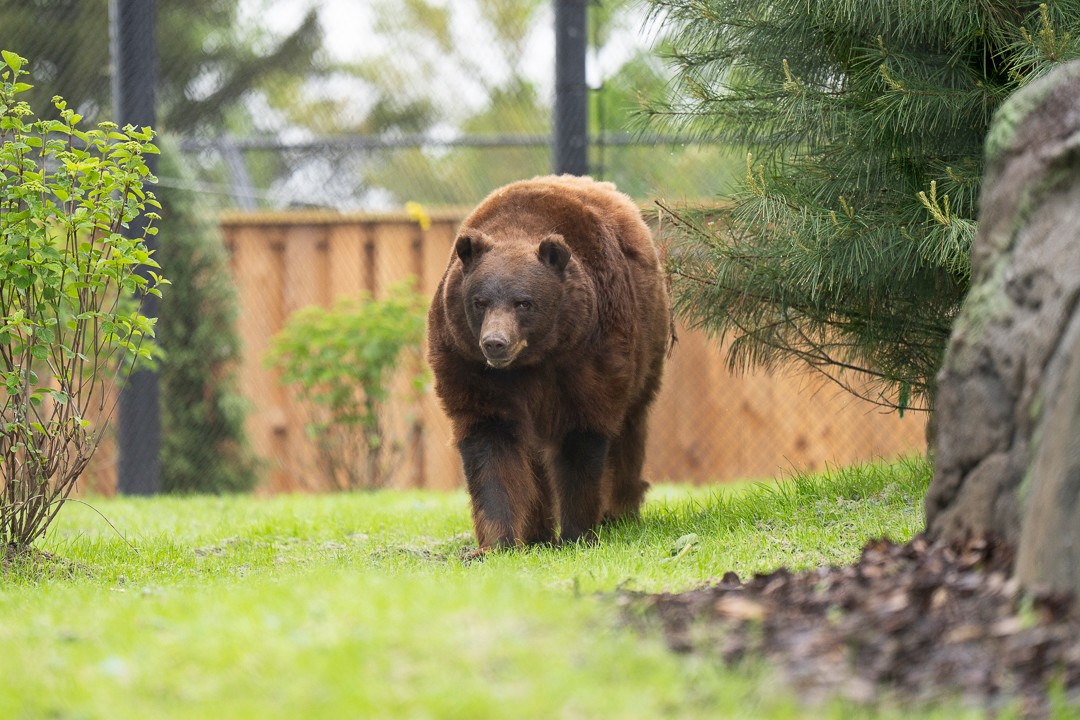
Black bear Stevie, one of the zoo’s beloved animals, is transitioning to her new habitat. This change means she will be away from her previous viewing area, but her new space is expected to provide a more suitable environment for her needs. Guests can anticipate learning more about Stevie’s adjustment process and the scheduled opening of the North America Trek. Providing animals with ample space and varied terrains helps reduce stress and allows for behaviors typical of their wild counterparts. For example, black bears in the wild roam vast areas, climbing trees, digging for food, and exploring their environments.
The Columbus Zoo train, an important attraction, is temporarily closed on June 9 and possibly June 10 to allow animals to acclimate. This decision reflects a commitment to animal welfare by prioritizing a quieter, less disruptive atmosphere. Loud noises and sudden movements can stress animals that are transitioning into new habitats. Creating a calming environment during these initial adjustment periods allows the animals to feel more secure and reduces anxiety. A quieter zoo experience can benefit both visitors and the wildlife, promoting a more harmonious atmosphere.
Meanwhile, the river otters are also preparing for a move to their new habitat. This relocation will offer them a chance to explore a space tailored to their specific needs. River otters are highly social and curious creatures, known for their playful dexterity. A well-designed habitat can accommodate their need for water play, land exploration, and interactions with one another. In their new environment, keepers will likely implement enrichment activities, fostering skills such as foraging, swimming, and climbing. Enrichment is crucial as it keeps animals mentally and physically active, helping them lead fulfilling lives.
Zoos play a critical role in wildlife conservation and education. They not only offer a glimpse into the lives of various species but also actively participate in conservation programs aimed at protecting endangered species and ecosystems. Habitat changes like those at the Columbus Zoo are an extension of this mission. By improving animal welfare through better habitats, zoos can contribute to the broader goal of conservation. Educating visitors about the needs of different species and the threats they face in the wild fosters appreciation and awareness.
Community involvement and support are essential for the success of these initiatives. The ongoing commitment from guests and donors aids in the development of habitats that prioritize animal welfare and conservation education. Zoo visitors are often engaged in programs that help raise awareness and funds for wildlife protection. Knowledge-sharing allows community members to take part in conservation efforts, whether through volunteering, advocacy, or donations.
The changes at the Columbus Zoo highlight a broader movement within zoological institutions striving for higher standards of animal care. As regulations and public expectations evolve, zoos are adopting new approaches to animal management and habitat design. Ethical considerations regarding animal welfare and conservation strategies increasingly guide the framework for zoo operations. The emphasis on replicating natural environments aims to foster species-typical behaviors and ultimately leads to healthier, more vibrant animal populations.
In summary, the Columbus Zoo’s North America Trek region offers numerous benefits to its animal residents and visitors alike. The updates and changes made to habitats reflect a growing understanding of animal needs and a commitment to welfare. Zoos, when managed effectively, can serve as valuable platforms for education and conservation.
Looking ahead, it’s apparent that these habitat changes promise not only to improve the lives of animals like Stevie the black bear and the river otters but also to deepen the connections between visitors and the natural world. Continued collaboration between zoos, conservationists, and the community will be critical to making strides in wildlife protection efforts. With dedication and support, the Columbus Zoo is paving the way for a future where wildlife can thrive and be appreciated by all who visit.
*****
Source Description
Great news! Animals are beginning to settle into their incredible habitats in our new North America Trek region, and that means some updates for Zoo guests:
🐻 Black bear Stevie is enjoying her new habitat, which means she won’t be viewable in her previous one. We’ll announce the region’s opening date soon so you can plan to see her.
🚂 The Columbus Zoo train will be closed on June 9, and possibly June 10, to allow a quieter atmosphere for other nearby species to acclimate in.
💧 River otters will be moving to their new habitat soon, and we’re excited to see them explore this incredible space!
Again, THANK YOU for your support of animal wellbeing at the Columbus Zoo, the teams that care for them, and for wildlife conservation in general. Great things are on the horizon!
