
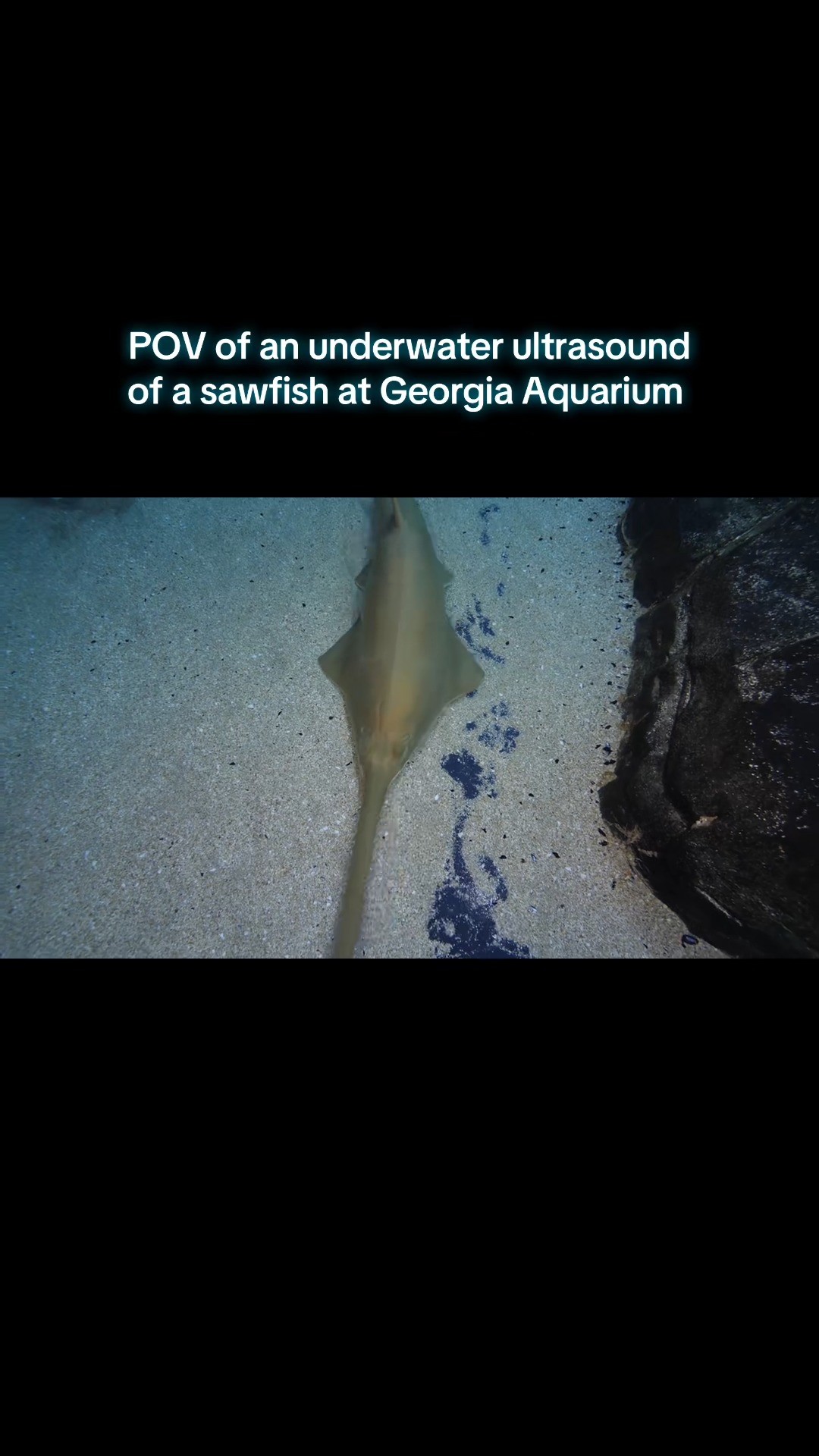
- The significance of underwater perspectives in marine biology.
- Impact of underwater recording technology on our understanding of marine life.
- The role of human interaction in aquatic ecosystems.
- Techniques for effective underwater observation and research.
- Conservation efforts aimed at protecting marine habitats.
Understanding underwater perspectives is crucial in marine biology. Observing marine life from beneath the surface allows researchers to gather data that would be impossible to acquire from above. The behavior of fish, the dynamics of coral reefs, and the intricate relationships within ecosystems reveal themselves only underwater. This direct observation can lead to insights that shape conservation strategies and inform the public about the vital roles various species play in their habitats.
The advent of waterproof technology has revolutionized how scientists study marine environments. Cameras and recording devices, such as diving gear and remotely operated vehicles (ROVs), enable researchers to document marine life in their natural settings. This approach reduces stress on animals since traditional observation methods often disturb their behaviors. Footage captured from an underwater point of view can be analyzed for behavior patterns, breeding habits, and feeding strategies.
Furthermore, recording marine interactions helps highlight the impact of human activities. Anthropogenic factors such as pollution, overfishing, and climate change can disrupt delicate ecosystems. By closely observing these changes, researchers can identify the consequences of human action. For example, ROVs have been instrumental in studying coral bleaching events, revealing how temperature fluctuations and pollution are driving changes in coral health. Such findings emphasize the need for urgent conservation measures.
Effective underwater observation requires a combination of technical skills and methodological approaches. Researchers use various techniques, including scuba diving and snorkeling, to immerse themselves in aquatic habitats. They often employ underwater transects to systematically document species presence and abundance. Understanding local ecology enhances the accuracy of these observations. By drawing on both academic research and experiential knowledge, scientists can compile comprehensive data that can inform conservation efforts and policy.
Marine conservation initiatives focus on protecting habitats crucial for biodiversity. These efforts often center on establishing marine protected areas (MPAs) where human activity is restricted. MPAs can help restore fish populations and promote coral health. Studies have shown that regions with MPAs have higher biodiversity levels than unprotected areas. This fact underscores the importance of strategic conservation actions.
Regular monitoring of aquatic ecosystems is vital in conservation. Data collected from underwater observations provides valuable feedback on the success of various protection methods. For instance, if fish populations increase in a protected area, it suggests that the measures implemented are effective. Open communication between scientists, policymakers, and local communities fosters a collaborative approach to conservation.
Through the lens of underwater perspectives, we can enhance our understanding of marine ecosystems. Observations gathered from this unique viewpoint contribute significantly to the scientific community. They inform crucial decisions affecting marine life and ecosystems. By actively engaging in conservation efforts, we advocate for the health of underwater environments.
Incorporating citizen science into underwater research expands the knowledge base and promotes community involvement. Programs where recreational divers contribute observations can generate valuable data while fostering environmental stewardship. Such initiatives not only enrich scientific research but also empower communities to care for their local environments.
The underwater observations serve more than just academic purposes. They also have a significant role in education and public awareness. Documentaries and online content utilizing underwater footage can captivate a diverse audience. These educational materials can highlight the beauty of marine habitats and the challenges they face, potentially inspiring a new generation of conservationists.
Sustainable practices in aquaculture, fishing, and tourism are essential for minimizing human impact on marine ecosystems. The integration of sustainability into these industries can mitigate negative effects while allowing human engagement with the ocean. Encouraging responsible practices is crucial for maintaining the balance between human use and marine conservation.
The significance of underwater perspectives extends beyond mere observation. It is essential for fostering a deeper understanding of the relationships within marine ecosystems and the impacts of human activity. With continued advancements in technology and a growing emphasis on conservation, researchers can shed light on the complexities of marine life. Promoting awareness and advocating for meaningful actions are vital components of successful conservation efforts.
Understanding the implications of underwater observations leads to more sustainable interactions with marine environments. By recognizing the importance of these ecosystems and advocating for their protection, we can help ensure their survival. Engaging a broader audience in the conversation surrounding marine life can cultivate a culture of environmental responsibility.
Collectively, these efforts highlight that the underwater perspective is instrumental in safeguarding marine resources for future generations. It bridges understanding and action, ultimately leading to more effective conservation strategies. Only by comprehensively studying and valuing marine ecosystems can we work towards restoring and protecting these vital resources.
Emphasizing the educational value of underwater resources can enhance public engagement. Exhibits in aquariums, workshops, and online courses can draw upon recorded footage that captures the essence of marine life. By showcasing vibrant underwater environments, we instill a sense of wonder and responsibility for protecting these habitats.
As we strive for holistic conservation solutions, an underwater point of view allows for a deeper connection to marine life. It reminds us of the interdependence of all species and the shared responsibility we bear for the health of our oceans. Investing in research, education, and sustainable practices will serve as pivotal actions in preserving the vitality of aquatic ecosystems.
Through a commitment to proactive conservation and a profound appreciation for the intricate balances within marine habitats, we hope to inspire positive change for future generations. It is imperative for all of us to remain engaged, informed, and motivated to safeguard the invaluable resources provided by our oceans. The power of underwater perspectives lies in their ability to not only educate but also empower individuals to take meaningful action for marine conservation.
*****
Source Description
Another unique underwater POV 👀
