
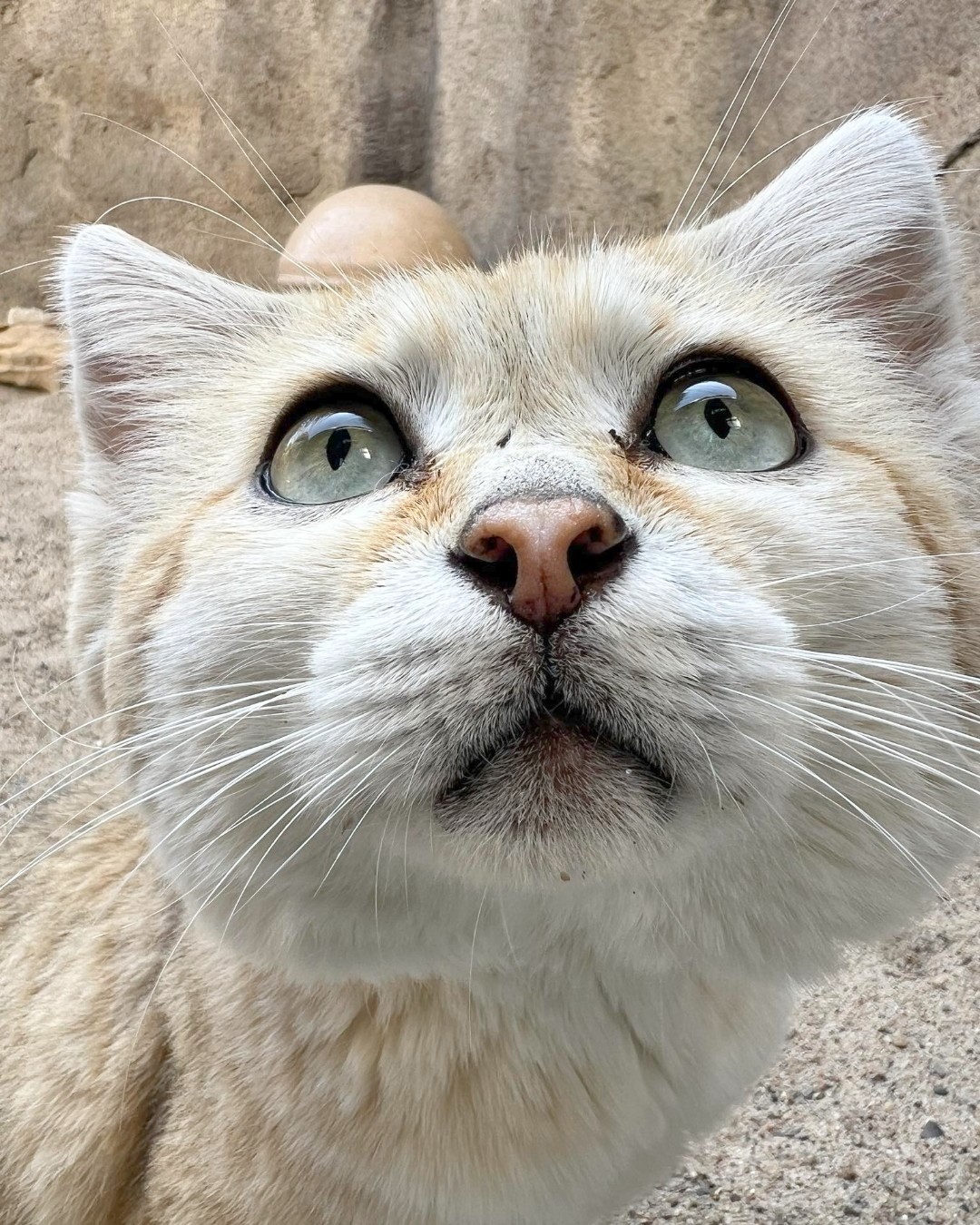
- The history and significance of Anubis in ancient Egyptian culture
- The biological and behavioral traits of modern-day canids
- The role of zoos in wildlife conservation, specifically regarding canids
- How animal care specialists contribute to the welfare of species like Anubis
- Ongoing conservation efforts and campaigns benefiting canids
Anubis, the ancient Egyptian deity often depicted as a jackal or a man with a jackal head, plays a significant role in Egyptian mythology. Revered as the god of mummification and the afterlife, Anubis was believed to guide souls to the underworld, ensuring they receive the appropriate treatment during their journey. His symbolism reflects societal values regarding death and the afterlife, emphasizing the importance of proper burial and preservation. Ancient Egyptians believed that Anubis oversaw the weighing of the heart ceremony, determining whether a soul would be granted eternal life or be devoured by Ammit, the soul-eating monster. Understanding Anubis deepens our appreciation for not only Egyptian culture but also the connection humans have historically had with wild animals and their spiritual significance.
In contemporary zoology, the canids that resemble Anubis—such as jackals, wolves, and domestic dogs—exhibit fascinating behavioral and biological characteristics. Canids belong to the family Canidae and showcase a range of adaptive traits that enable them to survive in diverse environments. They exhibit social structures, communicate through vocalizations and body language, and possess acute senses that make them skilled hunters. Jackals, for instance, are known for their opportunistic feeding behaviors, often scavenging or hunting small mammals and birds. Their remarkable adaptability allows them to thrive in both open landscapes and urban areas. Such traits highlight the importance of studying canids in understanding animal behavior, ecology, and adaptability.
Zoos play a critical role in wildlife conservation, particularly regarding canids. These institutions are not merely entertainment venues but serve as vital conservation hubs. Modern zoos are committed to breeding programs that help maintain genetic diversity in endangered species. Many canids, including the Ethiopian wolf and the African wild dog, face significant threats from habitat loss, human encroachment, and diseases. By establishing integrated breeding and reintroduction programs, zoos can contribute to the survival of these species. Educating the public about the plight of canids is one of the cornerstones of successful conservation efforts. Visitors leave not only informed but also inspired to participate in conservation initiatives.
Animal care specialists, such as Julia, possess extensive training and expertise crucial for the well-being of animals in captive settings. These specialists monitor animal behavior, dietary needs, and habitat conditions to create environments that promote natural behaviors while also ensuring optimum health. With a deep understanding of animal behavior, they are vital to the successful management of canids. Julia’s photographs not only highlight the animals’ beauty but also depict her dedication to their care. Animal care specialists often work closely with veterinarians to prevent illnesses and provide medical treatment, ensuring that canids receive appropriate care throughout their lives.
Conservation efforts targeting canids are ongoing and multifaceted. Organizations advocating for the protection of wildlife are involved in numerous initiatives, including habitat restoration, anti-poaching campaigns, and public education. Collaborative projects often focus on preserving the ecosystem, ensuring that these animals can thrive in their natural habitats. For example, the African Wild Dog Conservation project works to create wildlife corridors that allow safe movement between fragmented habitats, mitigating the risks posed by human activities. By maintaining biodiversity within ecosystems, these campaigns support not just canids but entire food webs that depend on healthy populations.
Engagement with the community also plays a substantial role in conservation. Local communities can sometimes provide the best intelligence and action regarding the welfare of wildlife. When given viable alternatives to coexist with canids, such as livestock guarding dogs for pastoralists, both humans and wildlife benefit. These initiatives cultivate respect between communities and wildlife, ultimately fostering a culture of conservation. Programs that encourage restoration of habitats and the establishment of protected areas can pave the way for the flourishing of canids, enabling them to roam freely and maintain healthy populations.
By examining the interconnectedness of Anubis, modern canids, and the efforts of conservationists, we glean valuable lessons about respect for nature. Anubis serves as a reminder that the connection between humans and animals transcends time and culture. This relationship forms a basis for ongoing efforts in conservation and animal welfare. Understanding both the historical context of Anubis and the biological traits of canids informs a broader narrative about the importance of preserving wildlife for future generations.
To sustain the conversation around wildlife conservation, it is necessary to underscore the importance of collaboration. Partnerships among zoos, academic institutions, and conservation organizations are crucial for successful outcomes. Expanding research initiatives can lead to innovative ways to address threats faced by canids. A heightened focus on public engagement can galvanize community support and widespread awareness. In many cases, public interest drives funding and resources toward initiatives that protect these magnificent animals and their habitats.
Julia’s role as a senior animal care specialist exemplifies the dedication needed to foster a commitment to animal welfare. Her attention to detail in documenting the lives of canids through photography serves to bring attention to not only their beauty but also their needs. By sharing these images with the public, she plays a part in nurturing empathy for species that often go overlooked. Personal stories and encounters with these animals can create emotional connections, leading to a greater commitment to conservation efforts.
Awareness campaigns centered around canids often serve as a platform for addressing critical issues like habitat protection and species preservation. Many organizations target educational programs toward younger audiences, hoping to instill values of respect and compassion for wildlife. By fostering connections between students and animals, these initiatives promote conservation as a community responsibility.
The dynamic forces shaping conservation cannot be overlooked. Climate change, habitat degradation, and human-wildlife conflict continue to challenge the survival of canids, necessitating urgent action. Innovative solutions must be sought to adapt to these changes. The incorporation of technology, such as GPS tracking and camera traps, allows researchers to monitor canid populations and behavior with unprecedented precision. Such advancements offer invaluable data for understanding species interactions in their ecosystems.
Anubis serves as a cultural emblem that transcends the centuries, providing a vital lens through which to view the relationship between humans and wildlife. Understanding its significance within ancient Egyptian culture aids in framing contemporary conservation efforts. It not only emphasizes respect for wildlife but also urges communities to engage actively in conservation.
As we continue to learn about the traits and behaviors of modern canids, it becomes increasingly vital to leverage that knowledge for effective management and conservation strategies. The intricate balance that exists in ecosystems requires ongoing commitment and collaborative efforts. Engaging communities and fostering appreciation for canids and other wildlife can inspire positive change and support for conservation initiatives.
Ultimately, bridging the connections between ancient symbols like Anubis with the present-day reality of canids reinforces the importance of stewardship in creating a brighter future for these animals. As we reflect on the role of zoos, animal care specialists, and conservation organizations, we can recognize that each plays a crucial part in ensuring the longevity of wildlife. Through collective efforts, there is hope for safeguarding precious species against the myriad challenges they face today. Each action taken builds a pathway towards coexistence and sustainability.
*****
Source Description
Anubis Appreciation Post.
Photos by Julia, senior animal care specialist
