
Summary of Colorful, musical, elegant, and spectacular: Take time to appreciate our birds!:
The author, an animal care professional at Zoo Atlanta, reflects on the often-overlooked appeal of birds compared to more popular zoo animals like lions and tigers. Highlighting unique species in the zoo, such as the impressive Victoria-crowned pigeons and milky eagle owls, the author emphasizes their size, beauty, and captivating calls. The variety of vibrant bird species—from the red-and-yellow barbets to the Chilean flamingos—showcases their visual allure. The piece aims to encourage visitors to appreciate the diverse and spectacular world of birds at the zoo, suggesting that even bird skeptics can find species that interest them.
- Birds play a vital role in ecosystems and their conservation is crucial for biodiversity.
- Zoo Atlanta showcases various bird species that captivate visitors with their beauty and behaviors.
- Birds exhibit unique adaptations and traits that make them fascinating to observe and study.
- Understanding the significance of avian species can lead to greater appreciation and support for conservation efforts.
The avian world offers a rich tapestry of colors, sounds, and behaviors. Birds are among the most visible and engaging species in any ecosystem, performing essential roles that influence their environments. They contribute to seed dispersal, pollination, and insect population control. Consequently, their conservation is not just important for their survival but for maintaining biodiversity and ecosystem stability.
At Zoo Atlanta, the opportunity to observe birds up close can spark interest and foster appreciation among visitors. Often, people enter the zoo focusing on larger mammals like lions or bears. However, once they step into the aviaries, the vibrant colors and melodic songs of birds can easily capture their attention. Interactive exhibits offer not only an enjoyable experience but also serve an educational purpose, highlighting the importance of bird conservation.
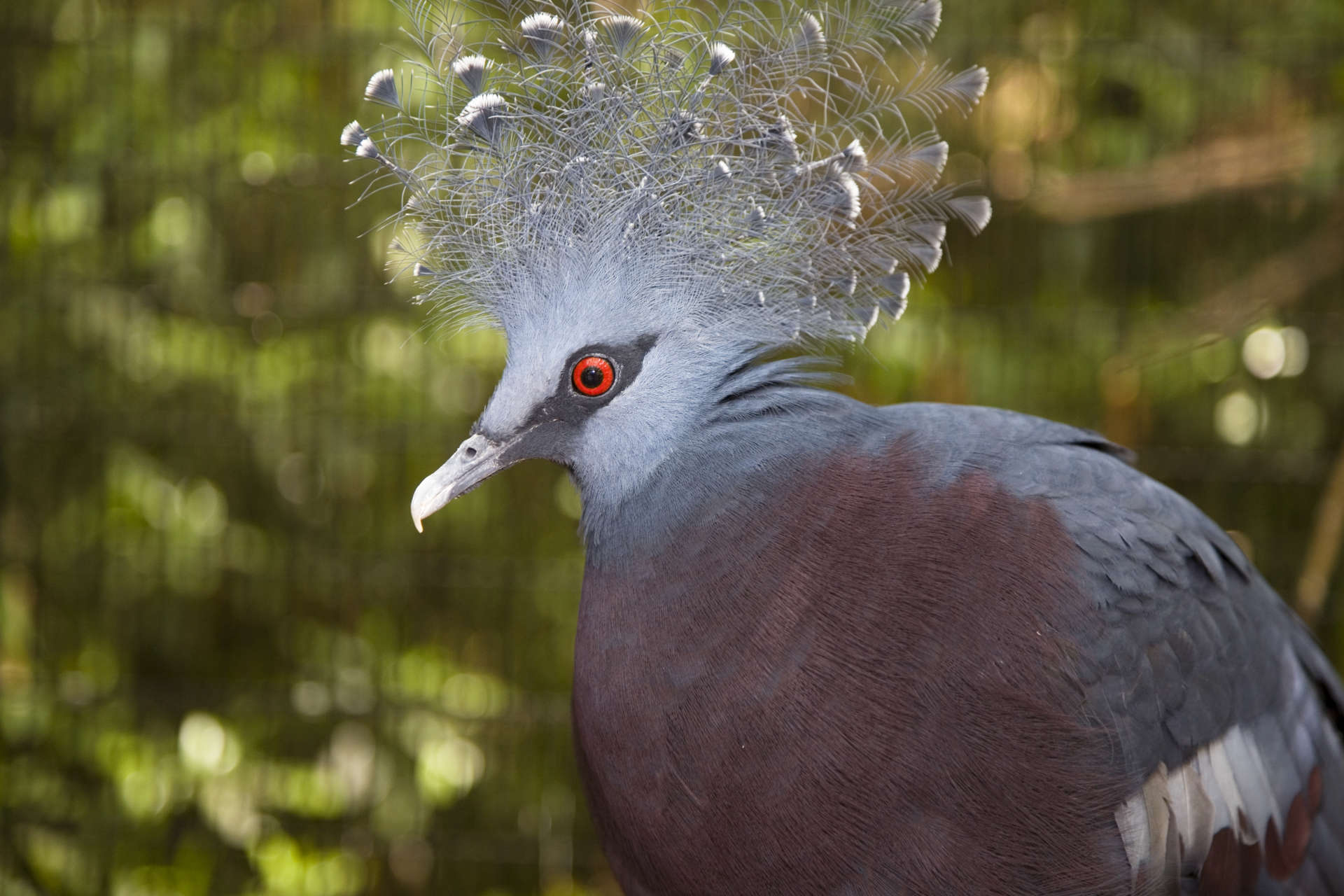
One of the standout features at Zoo Atlanta is the Grigsby Aviary. This lush environment houses an impressive array of bird species, where visitors can immerse themselves in the beauty of avian life. The peafowl, particularly Grigsby, is noteworthy for its stunning white tail feathers, which it fans out to attract attention. Surprisingly, its less flamboyant habitat mates—the Victoria-crowned pigeons—may steal the show with their striking crown of feathers and deep red irises. These pigeons embody both elegance and grandeur as the largest pigeon species in the world.
Exploring the zoo’s avian inhabitants reveals other intriguing species as well. Owl species, particularly the milky eagle owl, highlight the diversity of avian life. This owl, the largest in Africa, demonstrates remarkable adaptations for hunting, featuring powerful talons and a unique vocalization. Their calls, the deepest among owl species, create an atmospheric backdrop that enhances the visitors’ experience. By comparing their calls with those of the southern ground hornbill, observers can appreciate the complexity and range of sounds produced by these birds.
Zoo Atlanta also showcases the vibrant palette offered by various bird species. From the vivid red of the red-and-yellow barbets to the striking orange of the neck of the king vulture, the aviary presents a full spectrum of colors. Common sights include the cheerful Taveta golden weavers, the brilliant gold of the male golden pheasant, and the captivating green sheen of the crested wood partridge. The visual excitement of the aviaries doesn’t end there; iridescent blue superb starlings and the glossy violet plumage of the violaceous turaco add to the stunning array of colors. The flamingo habitat, with its sea of pink, presents a vibrant focal point, showcasing how colors can represent not just beauty but also diversity among species.
Birds possess numerous adaptations that make them fascinating subjects of study. Their beaks, feathers, and behaviors vary greatly to suit different environments and niches. For instance, the long beak of the king vulture is strategically designed for scavenging, while the vibrant plumage of some species serves as communication tools during mating displays. Observing these adaptations firsthand provides clarity on how birds thrive within their respective ecosystems. Such insights can lead to increased support for various conservation initiatives.
Bird behavior is equally captivating. Many species engage in intricate courtship rituals, showcasing behaviors that can be both endearing and educational. For example, the dance of the bird of paradise involves dazzling displays and complex movements, while the cooperative breeding strategies observed in some species highlight the social structures prevalent in avian communities. These behaviors reveal the challenges they face, such as habitat destruction and climate change, emphasizing the need for conservation efforts.
Communicating the significance of birds extends beyond appreciation; it’s essential for fostering a culture of stewardship. Developing a deeper understanding of avian species encourages individuals to advocate for policies and practices that protect birds and their habitats. Engaging with birdwatching, for instance, can cultivate a personal connection to nature. Birdwatching promotes mindfulness and encourages people to seek out knowledge about local species, thus enhancing community awareness.
Advancements in technology have also aided in bird conservation efforts. Citizen science projects, smartphone applications for bird identification, and online databases have made it easier for individuals to contribute to data collection. This democratization of scientific inquiry empowers communities to participate in tree planting, habitat restoration, and various conservation activities. As communities become educated about local species and their needs, the collective effort can lead to meaningful change.
At Zoo Atlanta and beyond, an appreciation for birds can inspire a desire for environmental stewardship. Learning about the species featured in the aviaries, understanding the challenges they face, and recognizing the interconnectedness of all species is vital. Each bird plays its part in maintaining ecological balance, and through education and awareness, individuals can help foster a healthier environment.
By broadening the public’s focus from larger mammals to the astonishing variety of birds, zoos can play an integral role in conservation efforts. They serve as platforms for education, showcasing the beauty and importance of these creatures in everyday life. Highlighting the vibrant colors, captivating sounds, and fascinating behaviors of birds creates an enriching experience for visitors. This exposure often leads to greater support for conservation initiatives, both in zoos and in natural habitats worldwide.
Birds are undoubtedly colorful, musical, elegant, and spectacular—traits that make them worthy of appreciation. Whether it’s the striking plumage of the Victoria-crowned pigeon, the powerful calls of milky eagle owls, or the vivid hues of the Chilean flamingos, each species contributes to the rich tapestry of avian life. Through observance in places like Zoo Atlanta, the public can develop a deeper understanding of birds and their irreplaceable roles in ecosystems.
As you make your way through the aviaries, allow the colors and sounds to pique your interest. Whether you identify as a bird enthusiast or are simply here for the elephants, recognize that there is something captivating about these winged wonders. With awareness and appreciation, we can all contribute to the conservation of our avian companions, ensuring their beauty endures for generations to come. Each interaction with these animals has the potential to deepen our connection to nature, highlighting the importance of preserving the irreplaceable biodiversity of our planet.
