
- The significance of the Saint Augustine Amphitheater in local culture and music history
- The role of wildlife interaction in conservation education
- The importance of alligator awareness and protection in Florida
- Tom Petty’s connection to Saint Augustine and its cultural landscape
- The collaboration between local artists and wildlife organizations
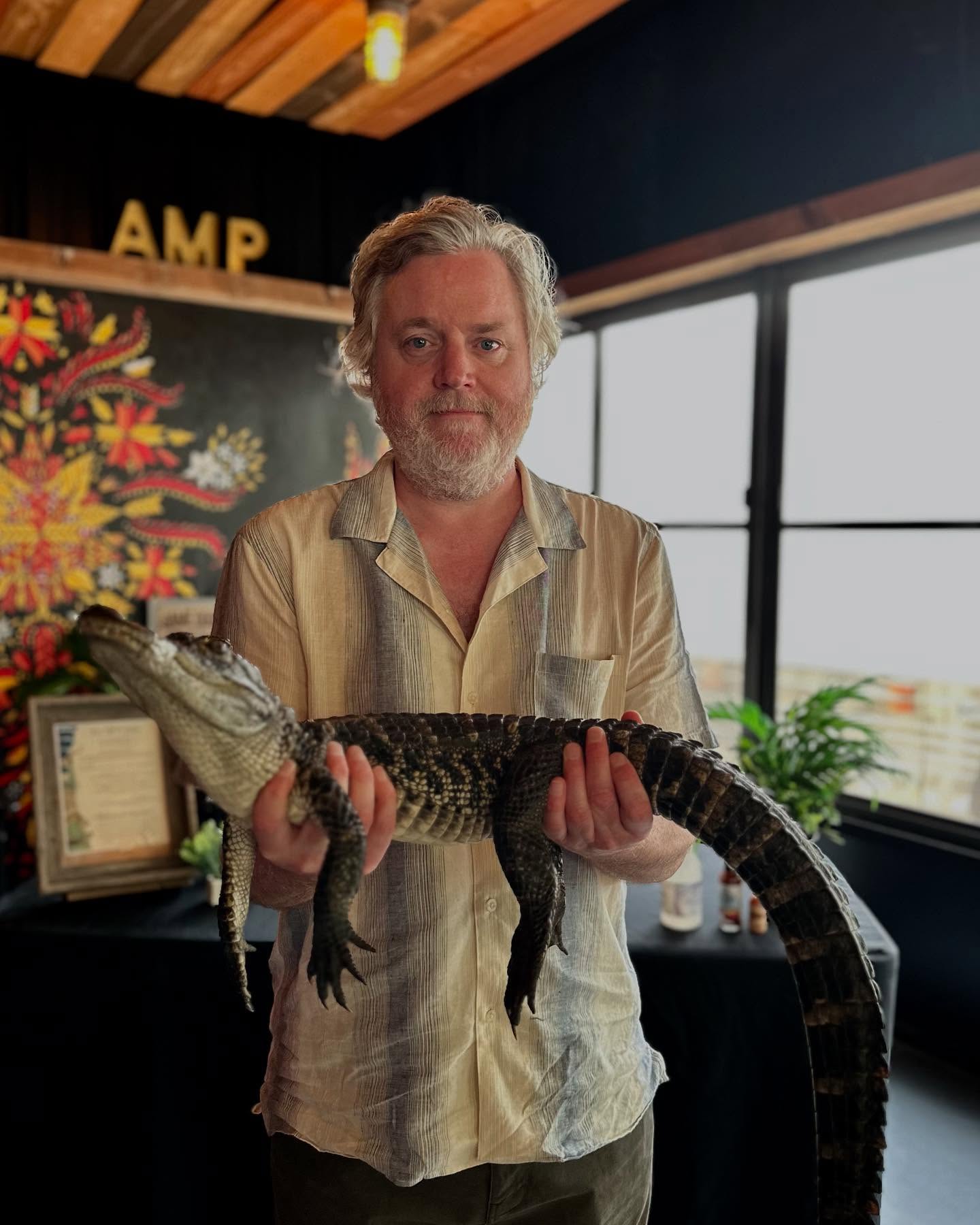
The Saint Augustine Amphitheater is not just a venue for live music; it is a cornerstone of cultural engagement in Florida. Recently, the amphitheater hosted an event featuring the band Barenaked Ladies, marking their visit with an educational encounter with local wildlife. Thanks to the St. Augustine Alligator Farm, band members had the opportunity to engage with this important aspect of local species: an alligator. This visit highlights not only the amphitheater’s role in the community but also underscores the significance of fostering an appreciation for wildlife.
Education about wildlife is more important today than ever. Interactions with animals, such as holding a young alligator, serve as an effective educational tool. It allows individuals to gain firsthand experience while emphasizing the importance of wildlife conservation. These encounters can create a deeper understanding of how species like alligators contribute to their ecosystems and the challenges they face. It’s essential to learn from professionals who can teach responsible care, habitat importance, and animal behavior in a structured environment.
Florida is home to a diverse range of species, and the American alligator is one of its most iconic inhabitants. They play a critical role in maintaining the balance within their ecosystems. By controlling fish and galbert populations, alligators help to ensure water systems remain healthy. However, alligators also face numerous challenges from habitat loss, pollution, and human interaction. Awareness and education can lead to better conservation efforts, which are necessary for their survival. Engagement activities, like those at the amphitheater, can ignite public interest in protecting these important reptiles.
One cannot talk about the cultural atmosphere of Saint Augustine without mentioning Tom Petty. Born two hours away in Gainesville, Petty had a special relationship with Saint Augustine. He purchased a home there where he would spend time away from his busy career, making it a personal sanctuary. This connection has enhanced the community’s cultural footprint, allowing for a blend of art, music, and environmental appreciation. It is noteworthy that Petty often drew inspiration from his surroundings, and this local presence has helped foster a strong community around artistic expression and environmental awareness.
Collaborations between local artists and wildlife agencies are vital for raising awareness about environmental issues. The partnership between the Saint Augustine Amphitheater and the St. Augustine Alligator Farm exemplifies how cultural events can provide platforms for education and foster dialogue on conservation. For example, these activities make wildlife preservation a topic of interest among concert-goers, creating future advocates for species protection.
The amphitheater’s unique role also highlights its function as a community space. With a capacity of around 4,000, it serves as a gathering point for various cultural events and performances. It helps bring together local residents and visitors, facilitating discussions around music, art, and wildlife conservation. The amphitheater’s inclusive environment makes it an ideal setting for these kinds of educational experiences.
Interactive programs at venues like the Saint Augustine Amphitheater are ideal for fostering an informed public. With the help of organizations like the St. Augustine Alligator Farm, these engagements can educate attendees on the ecological significance of alligators and other native species. Given the growing concerns over environmental issues, ongoing educational initiatives are critical for public awareness and involvement.
Alligator interactions, particularly with younger individuals, are a powerful way to instill an appreciation for wildlife. Professionals educate participants about the alligator’s behavior, habitat, and role within the ecosystem during these sessions. Engaging with alligators under expert supervision reduces fears and misconceptions while promoting a sense of responsibility toward wildlife. Educational programming, combined with wildlife experiences, can support the development of environmental stewardship within communities.
The American alligator has a complex history intertwined with Floridian culture. Once on the brink of extinction due to habitat loss and over hunting, conservation efforts have allowed their populations to rebound. The alligator is now a protected species and serves as a symbol of Florida’s rich biodiversity. It stands as a testament to the successful conservation work that can occur when communities come together to protect their natural heritage.
In recent years, the public has taken an increasingly active role in conservation efforts. Programs at venues such as the Saint Augustine Amphitheater emphasize the intertwining of music and wildlife preservation, highlighting how cultural institutions can impact environmental consciousness. These initiatives often involve partnerships that demonstrate the efficacy of collaboration for promoting conservation.
Cultural appreciation, as exemplified by events at the amphitheater, can also sparking conversations about the ethical treatment of animals. Modern wildlife exhibits focus on enriching animal lives while educating the public. Such ethical practices ensure that educational programs do not simply become sensational, but instead foster a deeper understanding of wildlife’s importance.
Tom Petty’s music continues to resonate with fans, drawing attendees to events at the amphitheater and creating an atmosphere that appreciates both art and nature. The musician’s legacy has enriched the local area significantly. His connection to Saint Augustine has transformed it into a hub for cultural activities, music, and environmental advocacy.
Collaborations like those between the amphitheater and local wildlife organizations not only entertain but also educate. They can inspire attendees to become advocates for wildlife conservation. The alligator encounter encourages people to think critically about ecosystems and the role they play in conservation efforts. This approach heralds a potentially transformative moment where art and wildlife can work in unison for greater understanding and respect.
Activities at venues such as the Saint Augustine Amphitheater that include wildlife education speak to a broader movement within society that recognizes the urgency of conservation. Individuals engaged with these programs may take their newfound appreciation into their communities, advocating for practices that foster a healthier ecosystem.
As we contemplate the relationship between culture and wildlife, it becomes clear that events like those at the amphitheater can spark important conversations and inspire action. The interactions with alligators and the cultural legacy of musicians like Tom Petty serve as anchors for deeper community engagement, urging collective responsibility toward environmental stewardship.
The Saint Augustine Amphitheater stands as a symbol of how community, culture, and conservation can intersect. Such venues have the potential to educate, engage, and inspire people to act. Each concert and educational program has the power to weave intricate threads between artistry and wildlife, creating a tapestry of understanding that celebrates both.
*****
Source Description
Thanks to @staugalligatorfarm for dropping by the Saint Augustine Amphitheater today after soundcheck. It was a thrill to meet and hold this young alligator. Though Tom Petty was born two hours away in Gainesvillle , Florida , he did own a house here in Saint Augustine , where he liked to spend some downtime. @barenakedladiesmusic
