
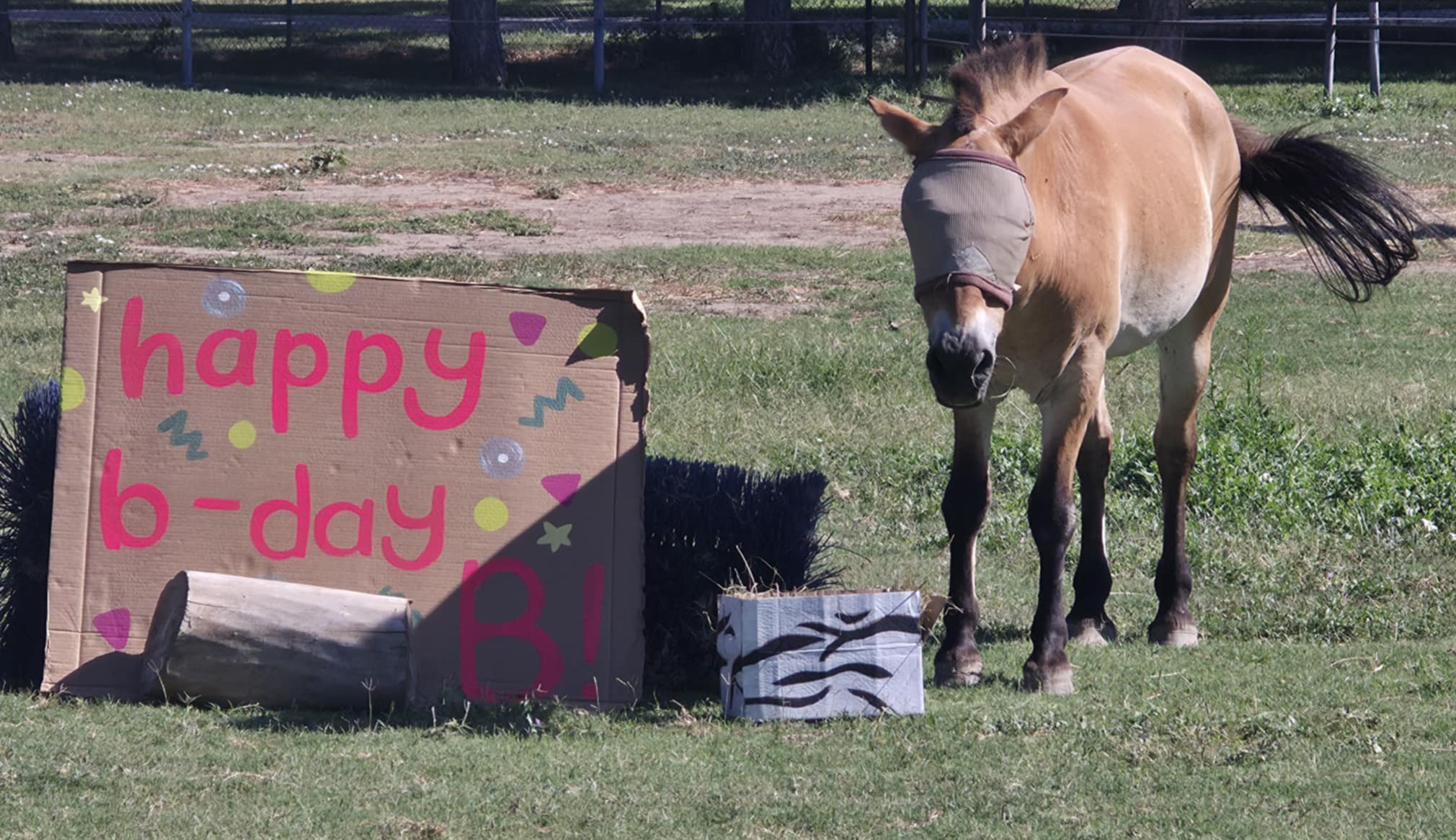
- The significance of Berezhnei’s birthday celebration in a zoo setting.
- The role of enrichment activities in wildlife care and mental health.
- Understanding the biology and history of the Asian wild horse.
- The impact of zoo management practices on conservation and education.
- The importance of engaging the public with animal care events.
Celebrating birthdays in a zoo environment serves multiple purposes that extend well beyond mere festivities. For animals like Berezhnei, affectionately called “B,” marking the occasion of his 29th birthday is a pivotal aspect of ensuring their well-being. The enthusiasm of the keepers, such as Lead Keeper Victoria, highlights a method of celebrating not just the life of the animal but also advocating for increased awareness about species conservation. Unique birthday events can educate visitors about the specific needs of the animals and emphasize the significance of conservation efforts for endangered species.
Part of the birthday extravaganza included colorful enrichment and special treats that bring joy and stimulation to the animal’s daily routine. Enrichment in a zoo context refers to a variety of activities or items designed to encourage natural behaviors, enhance mental stimulation, and promote physical activity among animals. In the case of B, the bright-striped box filled with treats was not just a visual delight but a stepping stone to engaging him in a more interactive way. Such enrichment strategies are essential in captivity, ensuring that animals live fulfilled lives, reflecting their natural instincts and behaviors.
Enrichment can take numerous forms, from puzzle feeders to varied diets and sensory stimulation items. For B, the keepers prioritized a setup that mirrored the primitive markings found on the legs of Asian wild horses, reinforcing a connection between the wildlife and their habitats. By engaging the animals in activities that stimulate their senses, caregivers support psychological health, which can often be overlooked in zoo environments.
The biology and history of the Asian wild horse are fascinating subjects that underscore the importance of species conservation. Known scientifically as Equus ferus przewalskii, the Asian wild horse is a significant species originating from the steppes of central Asia. These horses were once on the brink of extinction due to habitat loss and hunting pressures, though concerted conservation efforts in recent decades have helped stabilize their populations. By the 1980s, the species was preserved through captive breeding programs and has seen gradual re-introductions to their natural habitats.
Understanding the characteristics of these animals is instrumental in their management in zoos. Asian wild horses are known for their muscular build and unique coloration, providing specific adaptations advantageous for survival in harsh environments. They are social animals that thrive in herds, reflecting their phylogenetic history. By celebrating B’s birthday in front of an audience, visitors learn about the ecological roles and behaviors exhibited by such species. Educational opportunities are amplified when the public can witness firsthand how animal care teams enhance captive animals’ lives.
Zoo management as a discipline plays an essential role in wildlife conservation, and practices have evolved over the years. Modern zoos serve not only as public attractions but also as critical players in global conservation efforts. The focus has shifted to creating careful management plans that encompass health, breeding, habitat simulation, and visitor interaction. By hosting special events like B’s birthday, zoos can engage the public, fostering a sense of connection and responsibility toward wildlife conservation.
Public engagement is vital in green spaces and animal facilities. Celebrations help to demystify wildlife, promoting a broader understanding of the animals’ needs and the challenges they face in the wild. Activities like these serve as educational platforms, allowing audiences to appreciate the value of such species in our ecosystems. Through informative presentations, visitors can gain insights into conservation efforts while experiencing the joy of witnessing an animal celebrate a milestone.
The birthday celebration of Berezhnei provides ample learning opportunities surrounding essential topics in zoology, animal care, and conservation. Observing how enrichment and special treats can transform an animal’s day adds context to the more extensive frameworks of wildlife management. Each interaction—whether between keeper and animal or visitor and exhibit—contributes to a valuable narrative around preserving species like the Asian wild horse.
Recognizing the significance of such events not only highlights the joy in animal care but also confirms the role of zoos as active participants in education and conservation. Activities like B’s birthday show how thoughtful management can lead to a more informed public, fostering empathy and support for wildlife protection initiatives. The key takeaway is that celebrations in zoological settings transcend joy, grounding the importance of collective responsibility in the realm of conservation.
*****
Source Description
Thanks to Lead Keeper Victoria for this pic of Berezhnei aka “B” celebrating his 29th birthday yesterday!
Keepers treated B to some very colorful enrichment and some special treats, he even got first dibs before Ibaqa and Nina joined in.
We love the details! Check out that striped box full of treats, it looks just like the faint primitive markings stripes that you can find on the legs of Asian wild horse like B!
