
- The importance of April 1st in modern culture and its relevance to education and engagement
- The innovation and appeal of the Historic Collection Cam
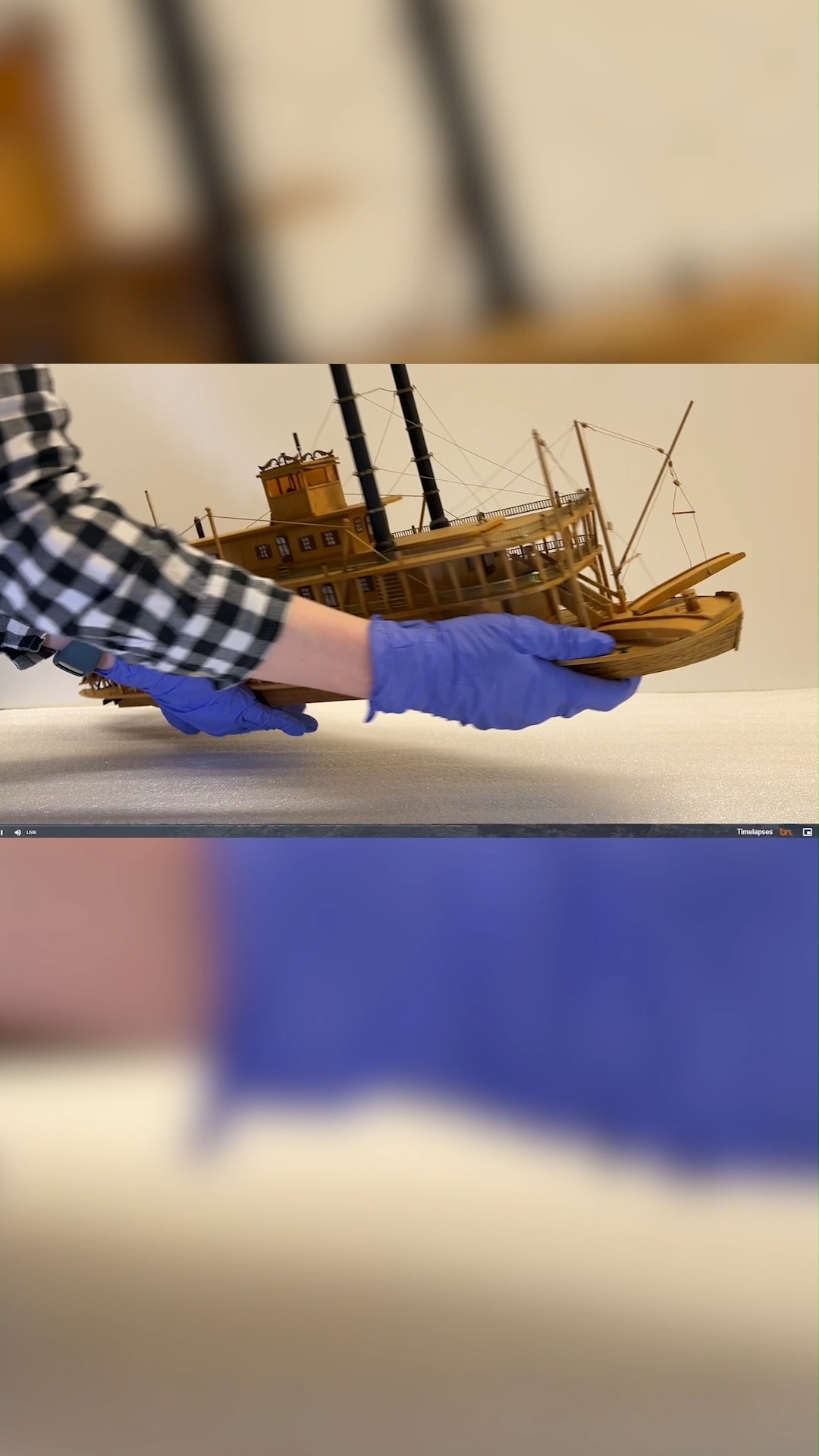
- A closer look at the model sternwheeler paddleboat by Karl Friedrich Schroeder
- The historical context of model-making and its educational implications
- The role of webcams in wildlife conservation and public awareness
April 1st is an engaging day celebrated globally, often marked by humor and creativity. This day provides a playful pause in the routines of everyday life, inviting people to indulge in lighthearted pranks and surprises. Beyond festivities, institutions like museums and zoos leverage this day to enhance educational outreach. For instance, the excitement surrounding the launch of a new webcam can transform April 1st into a significant event for the community, allowing for the blending of amusement and learning.
The Historic Collection Cam exemplifies this innovative spirit. It offers audiences a glimpse into captivating historical artifacts and models, all within the comfort of their homes. The diverse and compelling content of the Historic Collection Cam can engage viewers who have a keen interest in history, craftsmanship, and culture. By showcasing significant artistic achievements, educators can captivate audiences and inspire a deeper appreciation for the craftsmanship and cultural narratives that have shaped human history.
One particular highlight of this new webcam is the elaborate model of an unnamed sternwheeler paddleboat, meticulously crafted by Karl Friedrich Schroeder. Schroeder’s background is rich and layered, reflecting immense skill and dedication. Born in Chicago, Illinois, in 1928, he started working with brass goods during World War II at the Roth Manufacturing Company. His craftsmanship in metalworking was foundational, allowing him to later pivot to a career in painting after apprenticing with his father, John Schroeder. During the Korean War, Schroeder’s service as a contractor enhanced his skills even further.
The paddleboat model stands out not just for its intricate details but also for how it embodies Schroeder’s multifaceted talents. Throughout his life, he combined woodcutting, brass metalworking, and painting into a singular artistry. The sternwheeler design speaks to a historical period crucial to American river transport, representing both commerce and leisure on the nation’s waterways. By bringing this model to the Historic Collection Cam, viewers can connect with a piece of history that reflects both technological ingenuity and artistic mastery.
Model-making is often overlooked in discussions about historical crafts. However, it represents a bridge between art, engineering, and education. The ability to construct models like the sternwheeler showcases various techniques that align with disciplines such as physics and history. Educators can use models as teaching tools, making complex concepts accessible and engaging. They can invoke discussions on engineering principles, historical significance, and the interplay between art and technology.
Webcams represent a transformative tool in wildlife conservation and educational outreach. They provide real-time access to both animals and historical artifacts, fostering engagement and understanding. For example, the North American River Otter and Mississippi River webcams have captivated hundreds of thousands of viewers. They allow people to observe animal behavior closely, generating interest and awareness about conservation efforts. Cam viewers can witness the otters’ playful interactions and discover the vital role they play in sustaining river ecosystems.
The introduction of the Historic Collection Cam adds another dimension to this public engagement strategy. By highlighting historical models, it draws connections between the past and present. The ability to view and appreciate handcrafted models can stimulate discussions around historical narrative and craftsmanship. This is particularly relevant in an age where the digital landscape often overshadows traditional skills and practices.
In addition, webcams serve an important educational purpose. They can complement classroom education by providing visual resources that can enhance learning. Teachers can guide students through observations and discussions about observable phenomena in nature or history. The Historic Collection Cam can accompany lesson plans on subjects such as industrial history, technical craftsmanship, and even art appreciation, contributing to a holistic educational experience.
Furthermore, interactive elements can be integrated into the webcam platform to boost viewer engagement and provide educational resources. For example, viewers could participate in polls or submit questions about the model, fostering active participation. By doing so, institutions can create a two-way communication channel, enhancing the viewer’s experience and understanding.
The significance of highlighting historical craftsmanship plays a crucial role in the broader cultural context. As technology continues to advance, traditional skills may be at risk of fading. Documenting and showcasing the work of artisans like Schroeder becomes increasingly important. It helps preserve historical narratives that contribute to the collective memory of communities. The Historic Collection Cam allows such narratives to be shared and appreciated, introducing new generations to the past.
April 1st, with its mix of humor and creativity, is an ideal day to launch an initiative like the Historic Collection Cam. It invites audiences to engage with a topic that may not always be in the spotlight. The combination of playful marketing and meaningful content resonates on multiple levels, drawing in both casual browsers and passionate enthusiasts.
Moreover, the potential for future content on the webcam is vast. Depending on viewer feedback and interaction, institutions could consider making the Historic Collection Cam a permanent feature in their series of educational tools. The ongoing success of webcams focused on wildlife demonstrates that viewers are eager to learn. This openness to continuous exploration symbolizes the adaptable nature of educational initiatives.
In summary, the Historic Collection Cam introduces a dynamic opportunity to engage with history, craftsmanship, and wildlife. It taps into the curiosity of viewers, inviting them to explore human achievements and the wonders of our environment. As communities continue to seek connections to culture, artistry, and nature, initiatives like this can strengthen awareness and appreciation. The blend of historical craftsmanship and wildlife conservation through webcams can foster a deeper understanding and stewardship of both art and nature.
By leaning into the excitement of April 1st, institutions can offer an educational platform that captivates diverse audiences, encouraging active engagement not only with webcams but also the broader themes they represent.
*****
Source Description
April 1st is one of our favorite days of the year, so we decided to have some fun! How about launching a new webcam – the Historic Collection Cam! Our North American River Otter and Mississippi River webcams attract hundreds of thousands of views. For the history fans, we now have an exciting option for you!
Enjoy hours of intriguing footage of the elaborate unnamed sternwheeler paddleboat model, built by Karl Friedrich Schroeder (1928-2007) of Chicago, Illinois. Around the onset of World War II, Karl worked at the Roth Manufacturing Company, a maker of brass goods. After the war, he began a painting career as an apprentice of his father John Schroeder. Following service during the Korean War, Karl continued as a contractor and became a member of the Chicago Painters Union. This model demonstrates a combination of his skills – woodcutting, brass metalworking, and painting.
Here’s a sneak peak at what you can expect from the webcam! What do you think: should we make this a permanent part of our webcam series, or is it just enough for one witty day?
