
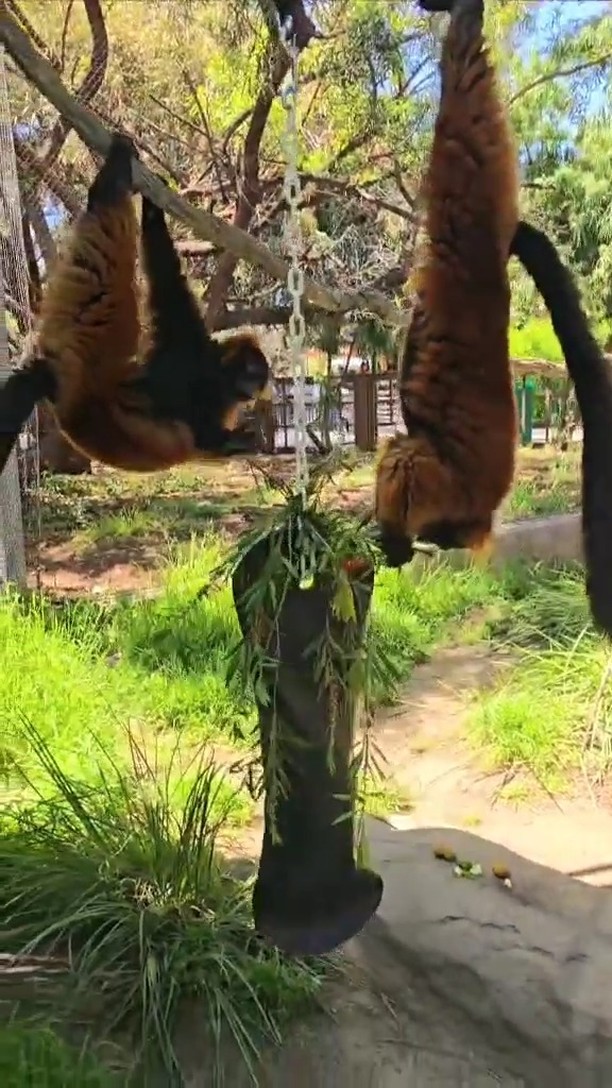
- The physical adaptations of red-ruffed lemurs for arboreal life.
- Behavioral characteristics and social structure of red-ruffed lemurs.
- The ecological role and diet of red-ruffed lemurs.
- Conservation status and threats facing red-ruffed lemurs.
- The importance of zoo management and wildlife conservation efforts.
The red-ruffed lemur is a fascinating primate native to Madagascar. Unlike bats, which are often seen flitting through the night sky, these lemurs are thoroughly terrestrial, with an array of specialized features perfectly suited for life high in the canopy. Understanding these adaptations is essential for appreciating their role in the ecosystem and the conservation challenges they face.
Red-ruffed lemurs possess unique physical characteristics that enable their arboreal lifestyle. Their most striking feature is perhaps their dexterous feet, equipped with opposable toes similar to the opposable thumbs on their hands. This adaptation allows them to grasp branches firmly and move with agility through the treetops. This agility is crucial for their survival, enabling them to access food resources, escape predators, and travel efficiently across vast forest territories.
Their social behavior is equally noteworthy. Red-ruffed lemurs are known for their sociability and live in matriarchal groups ranging from two to 16 individuals. Within these groups, complex social dynamics govern interactions. Vocal communication plays a significant role, with a range of calls used to warn of predators, mark territory, and maintain group cohesion. Observing these interactions offers insight into their social intelligence and cooperative behavior, a subject of keen interest in primate studies.
Diet is another critical aspect of their ecology. As primarily frugivorous animals, red-ruffed lemurs consume a variety of fruits, supplemented by leaves, nectar, and seeds. This diet not only sustains them but also positions them as vital seed dispersers within their habitat. Their foraging activities facilitate the growth of new plants, maintaining the health and diversity of their forest environment.
However, red-ruffed lemurs face significant conservation challenges. With their habitats rapidly shrinking due to deforestation and human activity, these primates are classified as critically endangered. Habitat loss, hunting, and climate change contribute to their precarious situation, making conservation efforts a priority. Protecting their remaining forest habitats is crucial to halting their decline and ensuring their survival in the wild.
The role of zoo management and wildlife conservation cannot be overstated. Zoos play a fundamental part in educating the public, conducting research, and contributing to breeding programs that aid in the species’ survival. These efforts include habitat restoration projects in Madagascar, where the red-ruffed lemurs are native. Conservationists collaborate with local communities to promote sustainable practices, helping to ensure a viable future for these primates.
In conclusion, understanding the red-ruffed lemur’s adaptations, behavior, and ecological significance highlights the intricate balance within their environment. By supporting conservation initiatives and fostering greater awareness, we can contribute to the survival of this remarkable species, ensuring that future generations continue to marvel at the wonders of biodiversity.
*****
Source Description
Are these bats? No, these are red-ruffed lemurs! Their feet are adapted to life in trees. Just like their hands have opposable thumbs, their feet have opposable toes that allow them to grasp and hang from branches effortlessly.
📹: Keeper Shepard
