
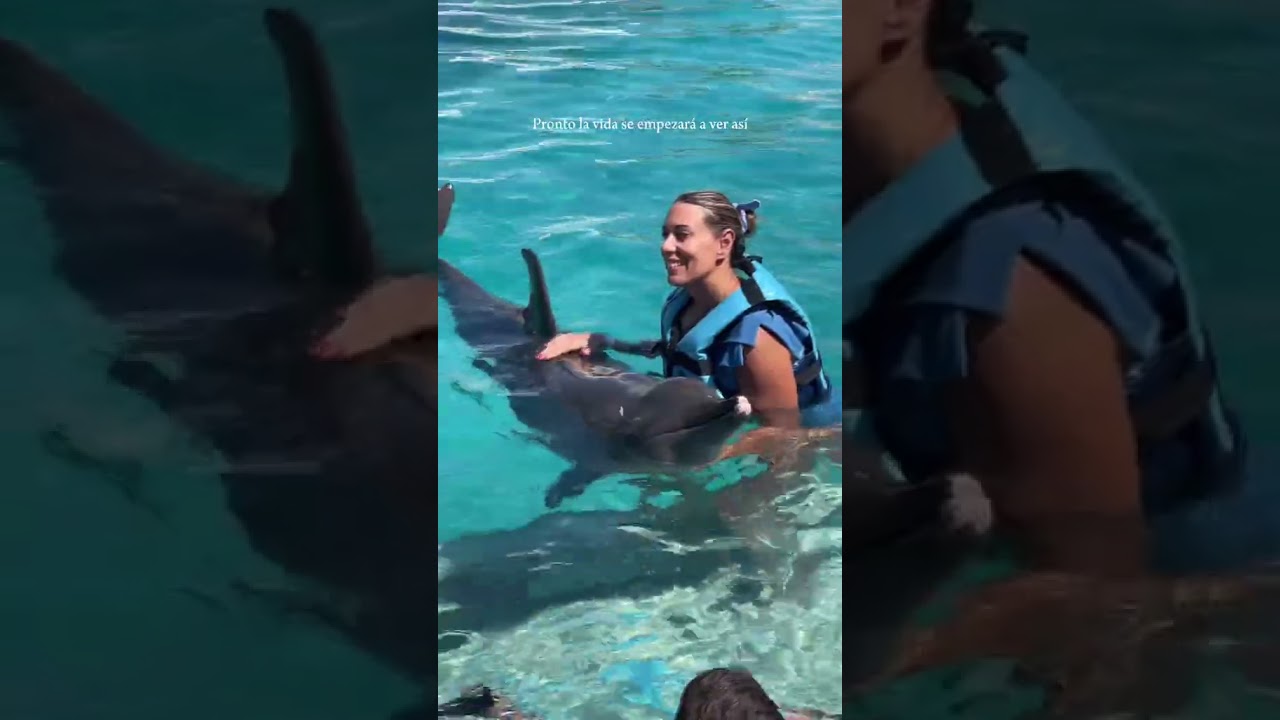
- Exploration of the aquatic experience with dolphins, focusing on their behavior and ecology.
- Importance of zoological management and ethical considerations in dolphin interactions.
- Insights into wildlife conservation efforts aimed at protecting dolphins and their habitats.
- The role of educational programs in promoting environmental awareness and stewardship.
- Challenges and innovations in balancing wildlife conservation with tourism and recreation.
The aquatic experience with dolphins is a captivating encounter that offers profound insights into their behavior and ecology. Dolphins are renowned for their intelligence, social structures, and playful nature, which draw both researchers and enthusiasts alike. These marine mammals belong to the family Delphinidae and are found in oceans and seas worldwide. Their complex communication systems and cooperative hunting techniques are subjects of extensive study and admiration.
In the wild, dolphins exhibit sophisticated social behavior, forming pods that can range from a few individuals to several dozens. Within these groups, they establish intricate social hierarchies, communicate through a series of clicks and whistles, and engage in cooperative hunting strategies, which highlight their cognitive capabilities. Dolphin interactions involve an intricate play of vocalizations and gestures, reflecting their emotional and social intelligence.
Zoological management plays a critical role in facilitating safe and meaningful interactions between humans and dolphins. Ethical considerations are paramount to ensure the well-being of these creatures in both captivity and the wild. Modern zoological parks implement strict guidelines and welfare protocols designed to minimize stress and promote natural behaviors in dolphins. Enclosures are designed to mimic their natural habitats, offering ample space for swimming and social interaction. Training techniques emphasize positive reinforcement, fostering trust and minimizing distress.
The welfare of dolphins in zoological settings is governed by international standards and regulations, ensuring that their physical and psychological needs are met. These measures are vital for preserving the natural behaviors and health of dolphins, enabling them to thrive in a managed environment while providing educational opportunities for the public.
Wildlife conservation efforts are crucial in safeguarding dolphin populations and their natural habitats. Human activities such as fishing, pollution, and habitat destruction pose significant threats to these marine animals. Conservation organizations work tirelessly to implement strategies aimed at reducing bycatch, establishing marine protected areas, and promoting sustainable fishing practices. Public awareness campaigns and international collaborations have led to improved policies and practices that aim to secure the future of dolphin populations.
Innovative approaches to dolphin conservation include the use of technology and research to monitor populations and track their migratory patterns. Satellite tagging, acoustic monitoring, and drone surveillance are some of the tools utilized to gather data on dolphin movements and behaviors, informing conservation strategies. These efforts are vital for mitigating human-induced threats and fostering a harmonious coexistence between humans and marine life.
Educational programs play a pivotal role in promoting awareness and stewardship. Interactive exhibits, guided tours, and digital content provide valuable learning opportunities for visitors. These initiatives aim to inspire a deeper connection with marine life and foster a sense of responsibility towards conserving the natural world. By engaging the public in educational experiences, zoological institutions contribute to a broader understanding of marine ecosystems and the importance of preserving biodiversity.
The intersection of tourism and conservation presents unique challenges and opportunities. While tourism can generate funds for conservation projects, it can also lead to disturbances in natural habitats. Efforts to balance these aspects include implementing responsible tourism practices, such as limiting boat traffic in sensitive areas and regulating the number of visitors. Communities are encouraged to participate in eco-friendly tourism initiatives that support conservation efforts while benefiting local economies.
Innovations in eco-tourism and sustainable practices are essential for maintaining ecological integrity while providing enriching experiences for visitors. By adopting and promoting environmentally friendly practices, zoological institutions and conservation organizations can ensure that dolphin-related activities contribute to both ecological sustainability and educational enrichment.
¿Estás listo para vivir esta experiencia? 🐬💙 serves as a reminder of the awe-inspiring connection we hold with dolphins and the oceans they inhabit. It highlights the importance of responsible stewardship and the vital role we play in preserving the rich tapestry of marine life for future generations. Through dedicated conservation efforts and educational outreach, we can continue to appreciate and protect these magnificent creatures and their environments.
*****
Source Description
Falta muy poco para que nuestros días se vean así 🤩💙🥹🐬
#dolphindiscovery #dolphins #marinemammals #manatees #sealion #vacations #dreamcomestrue
