
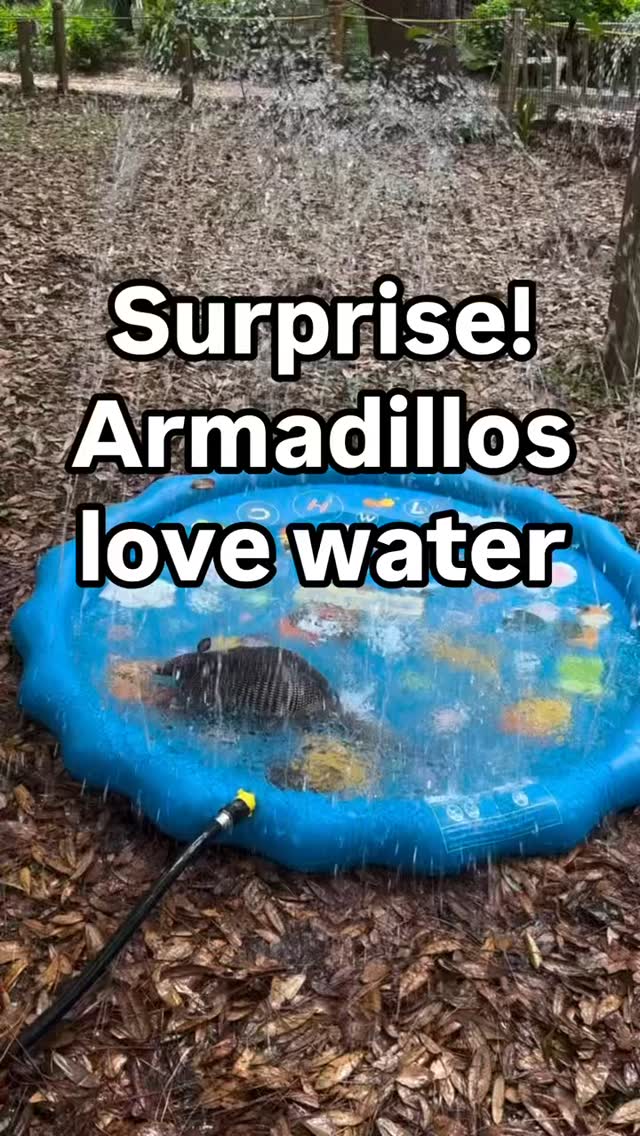
- Armadillos and their surprising affinity for water
- Swimming behavior and adaptations of armadillos
- Fun facts about armadillos and their unique characteristics
- The role of armadillos in their ecosystems and human interaction
- Conservation challenges and efforts related to armadillos
Armadillos, often likened to armor-clad potatoes, hold a surprising and delightful secret: they genuinely love water. While many might envision these creatures primarily as land-dwelling animals, it’s essential to understand the aquatic aspect of their behavior. Contrary to popular belief, armadillos are not just terrestrial roamers but also skilled swimmers, showcasing an unexpected elegance in the water.
Armadillos belong to the family Dasypodidae, with the nine-banded armadillo being the most recognizable species in the United States. Found primarily in the southern regions, their habitat includes forests, grasslands, and recognized wetlands. They possess a unique adaptability, allowing them to thrive in diverse environments. While many animals instinctively shy away from water, an armadillo’s behavior reflects a different narrative—one that demonstrates their innate ability to manage aquatic challenges.
Swimming behavior is a fascinating topic when discussing armadillos. These creatures can confidently paddle through ponds, using their legs for propulsion and their bodies to navigate. Their natural buoyancy allows them to float, and interestingly, they can also walk along the bottom of shallow water bodies. This ability resembles aquatic locomotion, which can be likened to tiny scuba tanks in chainmail. Observers have noted that armadillos exhibit a graceful style when swimming, contrasting with their terrestrial awkwardness.
Armadillos possess several anatomical adaptations that aid in their swimming capabilities. Their elongated bodies and relatively short legs allow them to move with agility both on land and underwater. Additionally, their dense, bony shell provides a weight distribution that can enhance buoyancy, allowing them to navigate water with surprising efficiency. Their natural instinct leads them to swim when the need arises: escaping predators or relocating to another habitat often forces these animals to take a dip.
The notion that armadillos enjoy water is supported by numerous observations in the wild. Their behavior is frequently documented as they engage in swimming activities, showcasing an unexpected side of their nature. Videos capturing armadillos frolicking in water highlight their playful demeanor, inspiring both amusement and admiration. Such footage has contributed to an increased awareness of these creatures, drawing attention to traits that many people may not associate with them.
Beyond their charming demeanor and aquatic skills, armadillos present a variety of interesting facts that contribute to their appeal. They possess a remarkable ability to curl into a ball, offering protection against predators. This distinctive characteristic, along with their armored shell, provides a defensive mechanism that aids in survival. Interestingly, armadillos have a unique reproductive cycle, as female armadillos can give birth to identical quadruplets. This means that each offspring is a genetic clone, a fascinating trait within the animal kingdom.
Their role in ecosystems is equally compelling. Armadillos serve as natural tillers of the soil. Their foraging behavior aerates the ground, benefiting plant growth and contributing to nutrient cycling within their habitats. Furthermore, their diet primarily consists of insects, grubs, and small invertebrates, which helps maintain ecological balance. The control they exert on insect populations can be beneficial to agricultural practices as well.
However, the interaction between armadillos and humans often presents challenges. As they forage in gardens and agricultural lands, they can be viewed as pests. This can lead to conflicts, particularly in regions where human development encroaches on their natural habitats. Awareness of their ecological contributions is crucial in addressing these conflicts through education and understanding.
Conservation efforts surrounding armadillos are increasingly important. Habitat loss due to urbanization, agriculture, and climate change threatens their population stability. Additionally, their vulnerability to vehicular collisions poses a significant risk, particularly in areas where they are frequently encountered. Organizations focused on wildlife conservation aim to raise awareness about the importance of preserving armadillo habitats and promoting coexistence between these creatures and human communities.
In recent years, the broader public appreciation of armadillos has surged, fueled by social media and wildlife documentaries. When people witness armadillos swimming and playing in the water, it fosters a greater understanding and love for these unique creatures. The impetus is on conservationists, educators, and enthusiasts to continue promoting awareness of armadillos through various platforms. Educational campaigns can not only highlight their behavior but also address the misinformation surrounding their role in the ecosystem.
There’s no doubt that armadillos are surprising animals. Their love for water and adept swimming skills serve as a reminder of the intricate interactions between species and the environment. By recognizing their valuable ecological roles and promoting meaningful conservation efforts, we can help ensure that armadillos continue to thrive in their habitats.
Overall, armadillos are a compelling example of how wildlife can defy expectations. They are incredibly adaptable, functioning well in both terrestrial and aquatic environments. Their swimming abilities enrich their lives and contribute positively to their ecosystems. As understanding of their behaviors grows, so too does the potential for coexistence with human activities, leading to harmonious environments for both armadillos and people.
In light of all these factors, armadillos emerge as both fascinating subjects of study and important contributors to biodiversity. As we deepen our understanding of their behavior and ecology, we uncover valuable insights applicable to the broader context of wildlife conservation. The fascination continues to grow as researchers and enthusiasts alike seek to learn more about these remarkable creatures that love water.
*****
Source Description
Surprise: Armadillos love water.
These armor-clad potatoes can actually swim—and they’re shockingly graceful about it.
In the wild, they paddle through ponds and even walk along the bottom like tiny scuba tanks in chainmail.
In this video? Pure splashy joy.
Follow @animals_az for more unexpected animal behavior and backyard pool parties you never saw coming.
.
.
.
.
[armadillo swimming behavior, do armadillos like water, funny armadillo video, armadillo fun facts, surprising animal traits, backyard wildlife, armadillos in water, animal pool videos] source: herps_and_friends
