
- Understanding ASMR and its connection to animal behavior, particularly in captive settings.
- The role of porcupines in the ecosystem and their unique adaptations for survival.
- The significance of zoos and wildlife parks in conservation efforts focusing on species like porcupines.
- An exploration of the ethical considerations in creating educational and entertaining wildlife content.
- The impact of digital media on wildlife appreciation and conservation awareness.
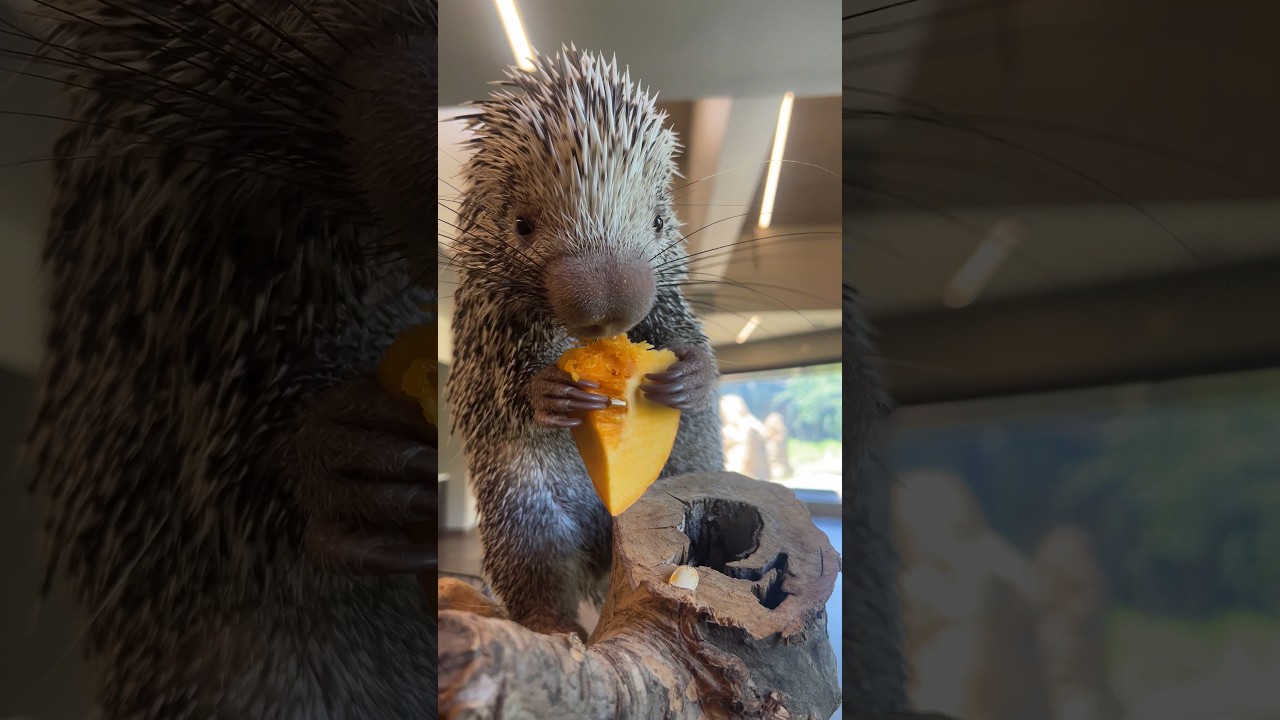
Autonomous Sensory Meridian Response (ASMR) is a phenomenon that has gained popularity in recent years, not only among human enthusiasts but also as a tool in wildlife education and entertainment. The ASMR August Porcupine Chomps #shorts are a fascinating example of this concept applied in the context of zoos and wildlife management. By examining how ASMR engages viewers and influences perceptions of wildlife, we can explore its potential benefits for both animals and conservation efforts.
ASMR content is characterized by audio and visual stimuli that produce a calming sensation typically described as “tingles.” This type of media has been shown to reduce stress and anxiety in viewers. In the context of zoo animals, such as porcupines, the natural sounds they produce while eating or moving can serve as ideal ASMR content. This concept acts not only as a media piece but also as an educational tool to foster interest in wildlife and conservation.
Porcupines play a crucial role in their ecosystems. They are primarily herbivores and contribute to seed dispersal, which aids in forest regeneration and growth. Their sharp quills serve as an effective defense mechanism against predators, showcasing a remarkable adaptation for survival. This resilience and functionality make porcupines an intriguing subject for wildlife videos that merge ASMR with educational insight.
Zoos and wildlife conservations play significant roles in the preservation of species, including educating the public on the importance of biodiversity. They provide a controlled environment where animals are protected from threats they face in the wild, such as habitat loss and poaching. In this controlled setting, the natural behaviors of animals like porcupines can be observed and shared in innovative ways, such as through ASMR videos, that can help raise awareness about their natural history and current conservation status.
Ethics are paramount when creating educational wildlife content. It is crucial to present animals in a way that respects their dignity and avoids anthropomorphism. Wildlife educators must strike a balance between engaging audiences and maintaining the integrity of the animals’ natural behavior. Creating content like ASMR August Porcupine Chomps should not involve manipulating the animal’s behavior for entertainment purposes, but rather, capturing moments that reflect their authentic world.
Digital media, particularly platforms like YouTube, have transformed how audiences engage with wildlife. The reach of short and engaging videos can extend conservation awareness far beyond traditional educational mediums. ASMR August Porcupine Chomps #shorts can captivate a global audience, highlighting the importance of porcupines and their role in nature. It promotes empathy and a deeper appreciation for wildlife, crucial elements for fostering a conservation-minded society.
By leveraging ASMR’s relaxing qualities and combining them with educational content, zoos and wildlife parks can create enriching experiences that educate and entertain. This approach can enhance public understanding of species like porcupines and the vital conservation work being done to protect them. The subtle power of sound and imagery in ASMR content opens new avenues for conservation advocacy, emphasizing the interconnectedness of technology, wildlife, and education in a modern, digital world. As such, ASMR has potential as a valuable tool in wildlife conservation, encouraging viewers to appreciate and protect the natural world through a unique sensory experience.
*****
Source Description
ASMR August continues with one of our pokiest animals at the Zoo. 🥰
📸: ZCS Marisol
