
- Importance of Zoo Landscaping in Conservation
- The Role of Greenhouses in Supporting Biodiversity
- Hands-On Workshops: Learning Through Experience
- Biodegradable Pots: Sustainable Practices
- Engaging the Community in Conservation Efforts
Zoo landscaping plays a significant role in wildlife conservation and public education. It is not just about aesthetics; effective landscaping creates habitats that support local flora and fauna. This is especially crucial in urban settings, where green spaces can diminish. Well-planned landscapes can also mimic natural habitats, allowing zoo animals to exhibit more natural behaviors. These designs contribute to biodiversity and provide educational platforms for visitors, illustrating the importance of ecosystems and conservation efforts.
Greenhouses serve as a vital part of zoo operations. They often act as nurseries for native plants, providing the necessary species for zoo landscaping projects. In addition to supporting habitat restoration for animals within the zoo, greenhouses can cultivate plants that are endangered in the wild. This initiative promotes genetic diversity, which is essential for species survival. By cultivating a range of plants, zoos can not only enhance their landscapes but also play a crucial role in preserving plants that might otherwise disappear.
Hands-on workshops like Seed to Sprout substantially enhance the educational experience for attendees. When individuals directly engage in planting and landscaping, they gain an appreciation for the environment and its complexities. Such workshops empower participants to learn about plant species that thrive in local climates, fostering a deeper understanding of ecology and conservation. This direct involvement increases the likelihood that participants will adopt sustainable practices in their home gardening efforts, thereby creating broader community awareness about conservation.
The inclusion of biodegradable pots in workshops emphasizes sustainability. Traditional plastic pots contribute significantly to waste; biodegradable options break down naturally, minimizing environmental impact. Using these eco-friendly alternatives in workshops promotes responsible gardening practices, teaching attendees the importance of making sustainable choices in their gardening supplies. Such practices are crucial in efforts to combat pollution and promote a healthier planet.
Community engagement is key to successful conservation efforts. Workshops aimed at plant and zoo lovers provide an opportunity to connect with others who are passionate about wildlife and plant conservation. By fostering a sense of community around these interests, zoos can inspire participants to become active stewards of the environment. Encouraging people to take action, such as participating in conservation projects or supporting local green initiatives, creates a ripple effect that extends beyond the walls of the zoo.
Zoo landscaping is a crucial aspect of the mission to protect wildlife and educate the public. Beautifully designed landscapes enhance the zoo experience while simultaneously serving as habitats for various species. The importance of utilizing native plants cannot be overstated; they provide food and shelter for local wildlife, encouraging biodiversity. This aspect of landscaping not only preserves ecosystems but also fosters a connection between visitors and the natural world.
Incorporating sustainable practices in zoo landscaping helps mitigate the ecological footprint of these institutions. By using rain gardens, xeriscaping, and other eco-friendly techniques, zoos can manage water use efficiently. These methods contribute to reducing runoff and pollutants that can harm local waterways. By educating visitors on the importance of sustainability in landscaping, zoos encourage individuals to incorporate similar practices within their communities.
Greenhouses in zoos have become hubs for biodiversity. The ability to grow native and endangered plant species helps protect these plants and supports the overall mission of wildlife conservation. Greenhouses often participate in seed banking, which preserves genetic material for future cultivation. This practice is essential as climate change and habitat degradation threaten many plant species. Thus, through maintaining greenhouses, zoos contribute not only to the conservation of zoo animals but also to protecting plant species that are critical to ecosystem health.
Workshops like Seed to Sprout allow people to experience the joys of planting firsthand. Not only is it a fun way to spend a day, but it is also deeply educational. Participants learn firsthand how to prepare soil, plant seeds, and nurture plants to maturity. Workshops often include workshops run by experienced horticulturists and zoologists who impart knowledge about the local ecosystem and how individual plants contribute to it. This personal experience inspires participants to make informed choices in their own gardening practices.
The use of biodegradable pots also plays a significant role in fostering environmental responsibility. These pots are often made from materials that decompose naturally, reducing plastic waste. By utilizing these in workshops, zoos illustrate a commitment to sustainability, teaching attendees that their gardening choices have far-reaching effects on the environment. Choosing biodegradable materials is an easy first step for individuals to take in adopting a more sustainable lifestyle.
The comprehensive efforts made by zoos to engage their communities in conservation are notable. Workshops are often advertised to attract families, school groups, and individuals with an interest in gardening or wildlife. By providing a hands-on experience, zoos can instill a sense of responsibility in participants regarding environmental stewardship. This kind of education is crucial; it fosters an understanding of the interconnectedness of species and ecosystems, nudging communities toward protective measures.
The integration of education, conservation, and hands-on experience epitomizes the importance of programs like Seed to Sprout. Participants walk away with a greater appreciation for the intricacies of gardening, the importance of native plants, and the role they can play in wildlife conservation. The skills learned in these workshops can continue to benefit local ecosystems long after the event has concluded.
Moreover, the discussions that arise from these workshops often lead to greater awareness of various conservation challenges. By providing a platform where individuals can converse about environmental issues, zoos enable them to share ideas for local initiatives. These conversations can inspire participation in larger conservation projects, such as habitat restoration, plant rescues, or local wildlife monitoring programs.
Caring about the environment can take many forms. Some may choose to volunteer at a local zoo or botanical garden, while others might start their own community gardening projects. Regardless of the approach, the knowledge gained from programs like Seed to Sprout lays the foundation for lifelong dedication to environmental stewardship. Each small action contributes to a larger effort to sustain biodiversity and protect our shared environment.
Zoos today are not just places for entertainment; they have evolved into centers of conservation and education. Landscaping efforts enhance both aesthetic value and ecological health, while greenhouses provide a means to cultivate necessary plant species. Through innovative programs like Seed to Sprout, zoos promote community involvement, ensuring that the message of conservation spreads beyond their walls.
The future of wildlife conservation depends on dedicated individuals who understand the importance of ecosystems and biodiversity. Workshops at zoos encourage participants to become advocates for the environment. By connecting people to the habitats that plants and animals depend on, zoos nurture a culture of care, responsibility, and informed stewardship.
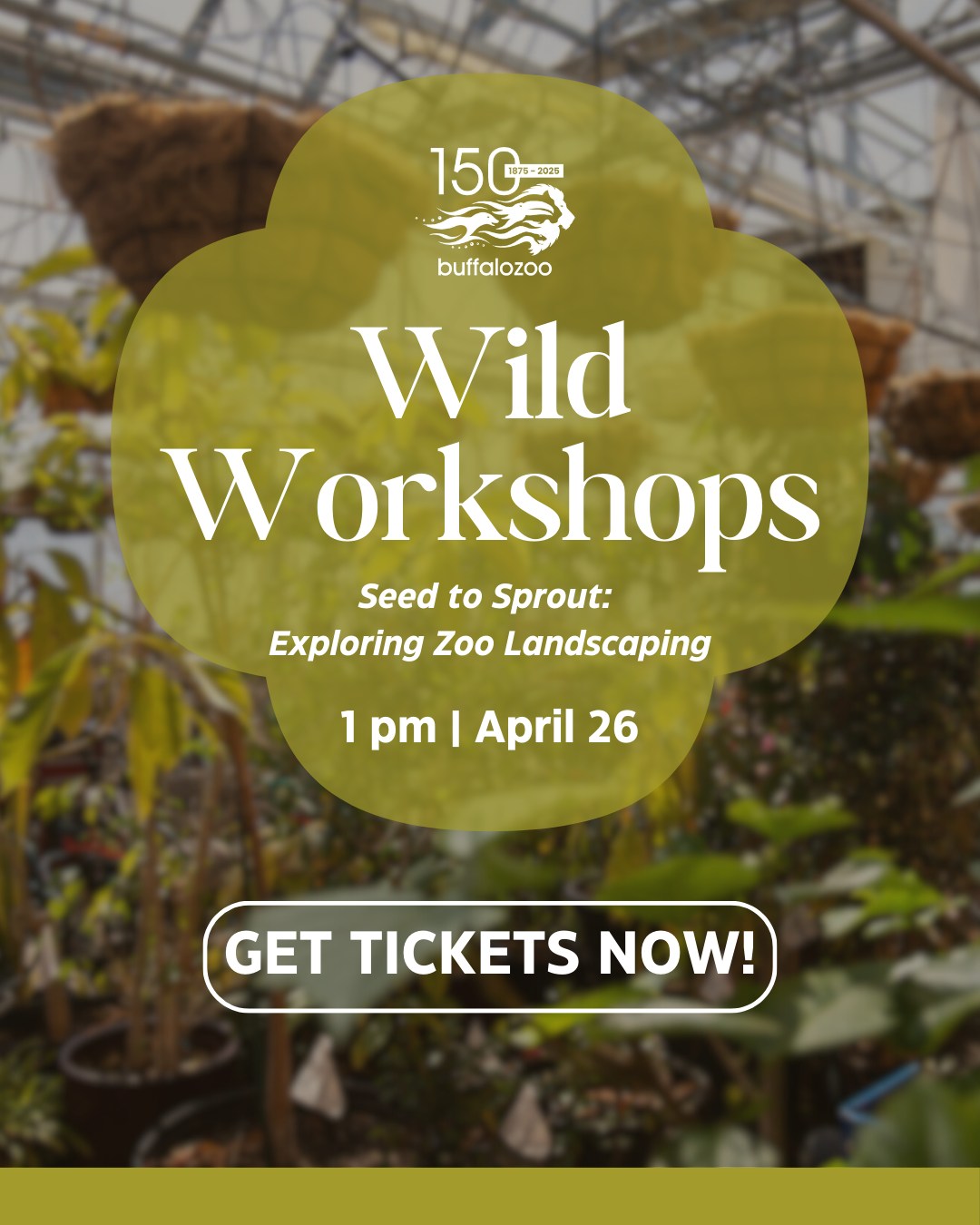
As we approach the first Wild Workshop of the year, excitement builds not just for the hands-on experience but also for the wealth of knowledge participants will gain. Events like these stand as beacons for community engagement and learning about the intricate relationship between plants, animals, and humans. It invites all plant and zoo lovers to be active participants in a sustainable future.
*****
Source Description
🌱 Calling all plant and zoo lovers alike!
We’re just days away from our first Wild Workshop of the year, Seed to Sprout: Exploring Zoo Landscaping. This unique experience offers a behind the scenes look at our greenhouse and innovative landscaping plans, including the chance to get your hands dirty and take home your own biodegradable pot! 🪴
🎟️ Get your tickets at the link in our bio!
