
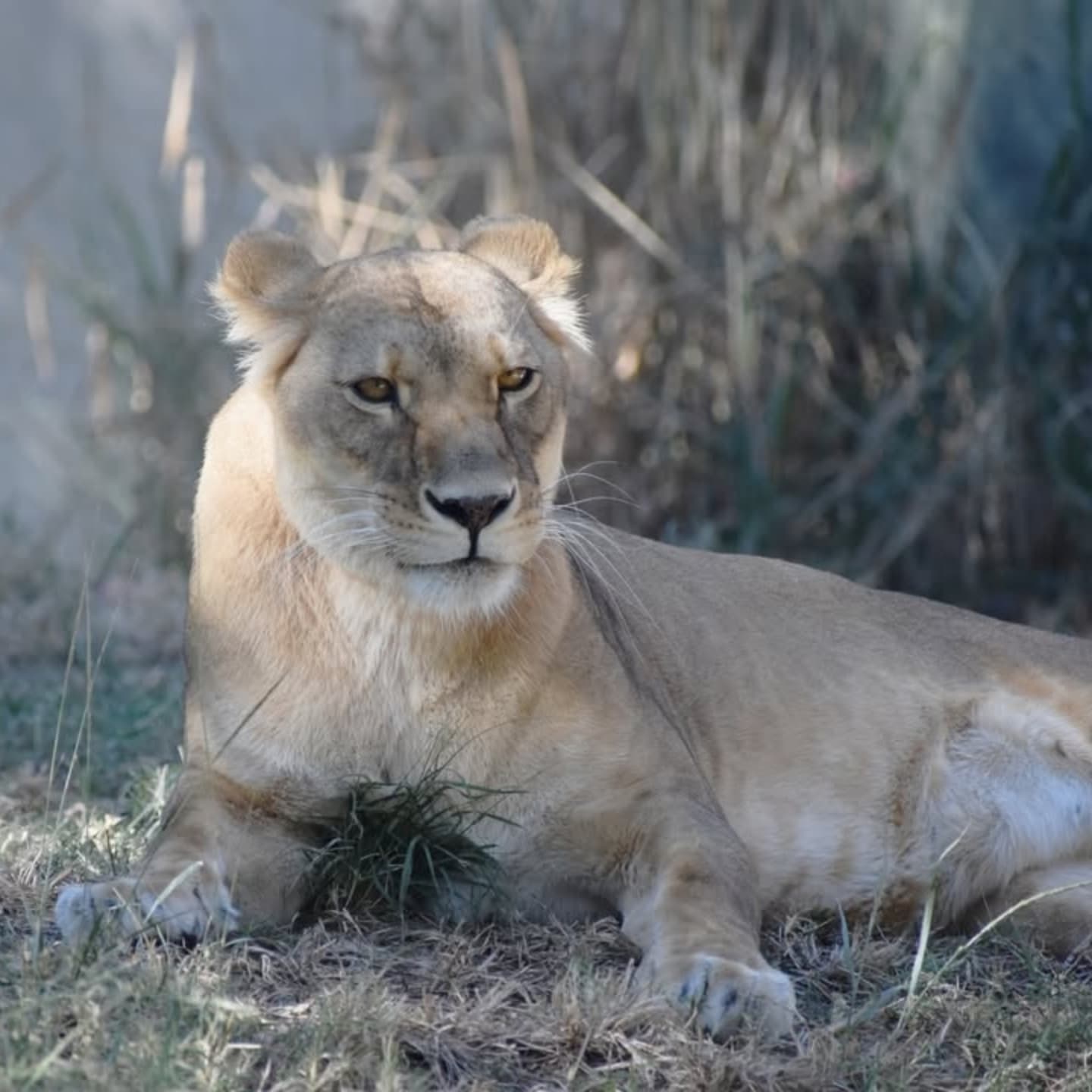
- Lions are highly social carnivores with specific behavioral, dietary, and spatial needs that drive modern zoo care.
- Seasonal events at Zoo Guadalajara can pair public engagement with species education, including the ecological role of lions and the pressures they face in the wild.
- Responsible zoo management depends on nutrition, veterinary medicine, enrichment, habitat design, and welfare monitoring.
- Lion conservation is tied to habitat loss, human-wildlife conflict, and the protection of African savannas and captive population genetics.
- Public visitation can support conservation when it connects excitement, culture, and science in a transparent way.
Los auténticos Reyes de la Selva se unen a la magia de las festividades! This message works because it links a powerful animal symbol with a seasonal public experience. Lions draw attention fast. They also offer a serious teaching opportunity. A well-run zoological park can use this interest to explain biology, animal welfare, and conservation in clear terms. At Zoo Guadalajara, a festive setting can do more than entertain. It can help visitors understand how lion care works, why their welfare matters, and why the species needs long-term protection in nature.
The lion is Panthera leo, a large felid adapted for life in open habitats and mixed woodland. Adult males are known for their mane, but both sexes are formidable predators. Lions live in social groups called prides. That social structure is rare among cats. It shapes almost every part of their behavior, from mating to hunting to cub rearing. Visitors often focus on appearance. Zoology asks a deeper question: what allows this animal to live, hunt, and reproduce so effectively? The answer includes physiology, social organization, and environmental adaptation.
Lions are built for short bursts of power, not long-distance pursuit. Their bodies show this clearly. Strong forelimbs help them seize prey. Large jaws and canine teeth deliver a killing bite. Retractable claws provide grip during a struggle. Their vision is well suited to low light. This helps with crepuscular and nocturnal activity. In the wild, lions often rest during the heat of the day and become active at dusk or night. In a zoo setting, staff use that biology to plan feeding times, shade structures, and visitor viewing patterns.
Food is central to lion management. A healthy adult lion requires a diet based on whole prey or nutritionally balanced meat portions that reflect the species’ natural intake of protein, fat, calcium, and trace minerals. Zoo nutrition teams calculate rations by age, sex, body condition, reproductive status, and activity level. Too little food can cause weight loss and stress. Too much can lead to obesity, joint strain, and reduced breeding success. Carnivore diets also require strict food safety controls. Meat storage, thawing, and sanitation must follow veterinary standards to reduce pathogen risk. This is one area where zoo management and animal health intersect every day.
Behavioral care matters just as much as diet. Lions in managed care need enrichment that encourages natural behaviors. That can include scent trails, puzzle feeders, novel objects, variable feeding locations, and training sessions based on positive reinforcement. Training is more than convenience. It allows keepers and veterinarians to examine paws, eyes, mouths, and body condition with less stress. It also helps animals participate in voluntary blood collection or medical procedures. Good enrichment reduces boredom and supports species-typical activity. For a social carnivore, the chance to interact, observe, and choose among stimuli is important to welfare.
Habitat design plays a major role in lion well-being. Large enclosures should include shade, elevated resting spots, privacy zones, varied terrain, and visual barriers. These features help reduce conflict and allow animals to regulate contact with the public and with each other. Lions need space to retreat. They also need surfaces that protect feet and joints. Naturalistic substrates can support comfort, but staff must balance aesthetics with sanitation and durability. Water access, drainage, and safe fencing are practical concerns. In zoo operations, good design supports both welfare and safety.
Social composition must be managed carefully. In the wild, lion prides include related females, their offspring, and a coalition of males that may defend the group. In managed care, keepers cannot assume any group will remain stable without planning. Individual personalities matter. Age, sex, reproductive status, and prior history affect compatibility. Introducing new lions requires gradual procedures, protected contact, and close monitoring. Aggression can rise quickly if introductions are rushed. Good population management uses detailed records and behavioral observation. This is standard practice in modern zoo management.
The festive message, “Los auténticos Reyes de la Selva se unen a la magia de las festividades,” can be effective because it connects cultural celebration with wildlife education. Seasonal events often increase attendance. That gives zoos a chance to explain conservation issues to people who may not visit otherwise. But a high-traffic season also raises operational demands. Visitor flow, noise, lighting, and crowd density can affect animal behavior. Zoo teams must plan ahead. They may adjust keeper schedules, refine viewing access, and create quiet spaces behind the scenes. Animal welfare comes first, even during a popular event.
Education should be explicit. Many guests know lions from films, sports mascots, or myths. A zoo can correct common errors. Lions do not live in jungle habitats. They are native to Africa, with a small population in India. They are not always constantly roaring. Roaring is one communication tool among many. They also use scent marking, body posture, facial cues, and vocalizations like grunts and growls. These facts matter because accurate information builds respect. When visitors learn what lions really are, conservation messages become more credible.
Conservation status remains a serious concern. African lion populations have declined across much of their historical range. Major drivers include habitat fragmentation, depletion of prey species, retaliatory killing, disease interactions, and conflict with livestock owners. A lion that leaves protected land and kills cattle may be killed in response. That conflict is a major conservation problem. It is not solved by slogans. It requires livestock protection, community engagement, land-use planning, and support for protected areas. Zoo education can explain these pressures without oversimplifying them.
Captive populations also require conservation planning. Species survival plans, studbooks, and coordinated breeding programs help maintain genetic diversity. Small populations can lose variation through inbreeding and genetic drift. That can reduce fertility, increase disease risk, and lower adaptive potential. Responsible breeding decisions are based on genetics, demographics, and institutional capacity. Not every captive animal should reproduce. The goal is a healthy, sustainable population with value for education and, where appropriate, long-term conservation support. This is one reason modern zoos work as part of broader wildlife networks.
Veterinary care is a core part of lion management. Routine exams monitor dental health, parasites, weight, skin condition, and mobility. Large carnivores can hide illness well. Keepers must notice subtle changes, such as altered posture, reduced appetite, or changes in social behavior. Diagnostic imaging, blood chemistry, and fecal tests help identify problems early. Older lions may develop arthritis or dental wear. Enclosures and care plans must adapt as animals age. This is practical husbandry, not decoration. It protects welfare over the full lifespan of the animal.
The seasonal atmosphere at Zoo Guadalajara can strengthen these lessons if the experience remains grounded in science. Festive lighting, themed displays, and family programs can attract attention. Educational signage should then connect the celebration to biology. Visitors can learn how lions communicate, how prides function, how cubs develop, and how human activity affects wild populations. Short talks by educators and keepers can translate technical topics into plain language. Children often remember direct observations better than text alone. Adults often appreciate data when it is presented clearly and without exaggeration.
One important teaching point is that lions are apex predators, but that status does not make them invulnerable. Large carnivores often face the highest conflict with people because they need large areas and can threaten livestock. Their survival depends on ecosystems that still contain prey, water, and space. Protecting lions therefore protects more than one species. It helps preserve savanna food webs, landscape connectivity, and ecological processes. This is a useful message for zoo audiences because it links one animal to an entire habitat network.
The phrase Los auténticos Reyes de la Selva se unen a la magia de las festividades also invites reflection on language itself. Lions are often called kings, but biology is more precise than symbolism. A male lion’s mane can indicate age and condition. Darker, fuller manes may signal health and testosterone levels, though environmental factors also matter. Females do most of the hunting in many prides. That division of labor is a natural outcome of their social system. Accurate interpretation helps replace myth with knowledge.
Zoo professionals must balance celebration and restraint. Promotional language can attract families, but animal care standards cannot bend to entertainment value. Noise, feeding routines, and crowd management must respect normal behavioral rhythms. If an animal shows stress, staff adjust the plan. If weather is extreme, animal access changes. If a social group needs separation, public messaging should remain transparent. Trust is built when institutions explain why some experiences are limited. This is part of ethical zoo management.
The public benefits when zoos speak plainly about conservation outcomes. Donations, memberships, and repeat visits can support field projects, habitat protection, and education programs. These benefits are strongest when the institution shows measurable action. Visitors respond well to specific information, such as support for anti-poaching training, community coexistence efforts, or research on carnivore ecology. General claims are less effective than concrete results. A reputable zoo does not ask guests to take conservation on faith. It shows the science and the work behind it.
For many families, a lion exhibit is the most memorable part of the visit. That is an opportunity. It can spark interest in zoology, veterinary science, animal behavior, and conservation biology. It can also teach responsibility. The care of large carnivores is complex and expensive. It requires trained staff, secure infrastructure, daily monitoring, and long-term planning. It also requires humility. Humans do not control nature through admiration alone. We support biodiversity by using evidence, protecting habitats, and respecting animal needs.
Los auténticos Reyes de la Selva se unen a la magia de las festividades is more than a seasonal slogan when it is paired with sound science. It can guide visitors toward a better understanding of lion biology, zoo welfare standards, and conservation action. At Zoo Guadalajara, the strongest public experience comes from combining celebration with clear education. That approach gives the animals dignity, gives guests reliable knowledge, and gives conservation a stronger public voice.
*****
Source Description
🦁👑 ¡Los auténticos Reyes de la Selva se unen a la magia de las festividades! ✨🎁🐾 Esta temporada, ven a descubrir la majestuosidad de los leones en tu Zoológico Guadalajara
y vive un ambiente lleno de magia y tradición. 🌟
