
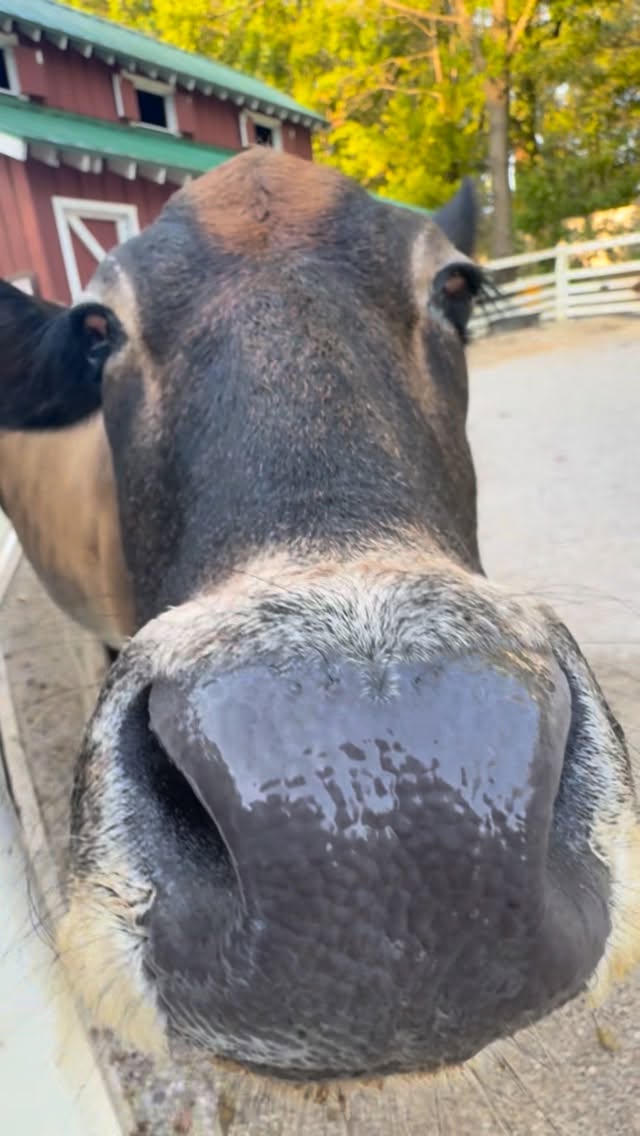
- Fall at the farm features seasonal activities that invigorate visitors.
- Wildlife behavior shifts in response to changing weather and food availability.
- Education about conservation plays a core role in farm experiences.
- The peaceful atmosphere of the farm serves as a backdrop for vibrant community engagement.
- Opportunities for family bonding and learning are abundant during this season.
As the vibrant hues of autumn spread across the landscape, the farm transforms into a hub of activity and tranquility. Fall at the farm is not just a season; it is a unique blend of the peaceful rhythms of nature and the excitement of various happenings that draw families and individuals alike to engage with both the environment and agriculture.
During this season, the farm becomes alive with a flurry of activities that mark the transition from summer. Visitors can partake in apple-picking events, hayrides, and corn mazes which provide recreational opportunities for families. These activities are not just for fun; they also teach participants about agricultural practices and the significance of seasonal crops. Engaging in these hands-on experiences connects individuals to the source of their food and promotes healthier eating habits.
As the leaves shift from green to vivid reds, oranges, and yellows, wildlife across the farm also begins to change its behavior. Animals prepare for the colder months ahead. Birds migrate to warmer climates, while others begin to store food to sustain themselves throughout the winter. For instance, squirrels are actively gathering nuts, while deer can be observed increasing their foraging as they bulk up for the winter. It’s crucial to look for signs of these behaviors during a visit. This fascinating animal behavior not only captivates visitors but also provides important insights into food webs and ecological relationships.
Education plays a significant role in the farm experience during fall. Many farms offer educational programs during this season, focusing on topics such as sustainable agriculture, wildlife conservation, and the importance of biodiversity. Informative workshops and guided tours can enlighten visitors about organic farming practices, soil health, and the lifecycle of various plants and animals. These educational initiatives are invaluable in promoting awareness about conservation, underscoring the need for responsible stewardship of the environment. Understanding these concepts is essential as today’s society faces challenges related to climate change and habitat destruction.
The peaceful ambiance of the farm complements the season’s lively activities. A stroll through orchards or a quiet moment by a pond provides an opportunity to unwind and appreciate nature. The sights and sounds of a farm in fall have therapeutic properties; studies have shown that spending time in natural environments can reduce stress and promote mental well-being. The crispness in the air, combined with the smell of fallen leaves, serves as a reminder to slow down and enjoy the simple pleasures life has to offer.
Community involvement is another significant aspect of fall at the farm. Local events, such as harvest festivals, apple fairs, and community markets, foster a sense of togetherness. Families can come together to celebrate the season, supporting local farmers while enjoying seasonal produce. These gatherings often feature live music, artisan crafts, and delicious food from local vendors, creating an atmosphere of excitement and camaraderie. Each event resonates with the community’s spirit, encouraging individuals to not only participate but also appreciate the hard work that goes into farming and food production.
Another noteworthy part of the fall season at the farm revolves around volunteer opportunities. Many farms depend on community members to assist with harvests and events. Volunteering allows people to learn about agricultural practices while contributing to farm maintenance. This experiential learning goes beyond the classroom; participants gain a deeper understanding of the complexities involved in food production, contributing to efforts in food security and sustainability.
Exploring the concept of food systems reveals a lot about farming’s interaction with local ecosystems. Visitors to the farm in the fall can often see firsthand how crop rotations and seasonal planting strategies benefit soil health. For example, many farms will rotate crop types based on the season, utilizing techniques that enhance soil quality and support sustainable practices. This kind of education encourages a shift in perspectives about food sources and sustainability, emphasizing the interconnectedness of local ecosystems.
Moreover, many farms use fall as a time to host educational workshops focused on gardening and composting. Attending these sessions can inspire visitors to implement similar practices at home. Learning how to grow vegetables in a home garden or what wastes can be composted offers long-term benefits for the environment. These workshops highlight the impact individuals can have on promoting sustainable practices in their everyday lives.
Seasonal crops available at the farm during the fall enrich the overall experience. Fruits such as apples and pumpkins are at their peak, providing endless opportunities for culinary creativity. Families can learn how to make apple cider or pumpkin pie, fostering a connection to food preparation and cultural traditions. Farms often encourage participation in cooking demonstrations, showcasing how to utilize seasonal ingredients effectively. This culinary engagement serves to educate visitors about nutritional choices while highlighting local agriculture.
The fall agrarian landscape also encourages another important educational aspect: biodiversity awareness. During this season, farms often showcase the different kinds of plants cultivated at various times of the year. Understanding the significance of plant diversity can bolster awareness of biodiversity’s role in ecosystem health. Workshops focused on native plants and pollinator gardens can provide insight into what is necessary to maintain a sustainable environment.
Education centered on pollinators is of paramount importance, particularly as these essential creatures face threats to their populations. Farms often emphasize the various flowers that attract bees, butterflies, and other pollinators during fall. Creating habitats that support these species helps traditional crops flourish, creating a symbiotic relationship that benefits both plants and insects.
A visit to the farm during fall offers the opportunity to witness wildlife conservation efforts. Many farms incorporate conservation programs that seek to restore habitats and protect local species. Educational displays and activities related to these initiatives help visitors learn about the importance of biodiversity and habitat protection. Conservation strategies, such as planting native species and designing wildlife corridors, support healthy ecosystems while allowing individuals to participate in safeguarding these crucial resources.
As the harvest season comes to a close, the farm thrives on the gratitude generated by the abundance of produce. For many farms, this is a time for reflection on the successful yield and preparation for the winter months ahead. Community-supported agriculture (CSA) programs become especially relevant during this time, as they provide a way for individuals to stay connected to local farmers. By participating in a CSA, families can obtain fresh produce and maintain their relationship with the farm throughout the year.
In summary, fall at the farm offers an intricate tapestry of experiences that encompass both action and serenity. Visitors can engage in varied activities that foster a connection to agriculture and the environment while benefiting from educational opportunities surrounding sustainable practices and conservation. The vibrant colors of autumn serve as a backdrop to synchronous community engagement, making this season a vital time for farms and their surrounding communities.
This shared experience not only strengthens community bonds but also emphasizes the significance of environmental stewardship. As the crisp air settles in, the farm remains a beacon of learning, connection, and respect for the cycle of life.
*****
Source Description
Fall at the farm is both peaceful and full of action 🤣🍂
Fall is an amazing time to explore! With a Memphis Zoo membership, you can visit anytime, enjoy discounts on food, retail, and special events, and spend plenty of time with our farmyard friends!
