
- The significance of AZA accreditation for zoos and aquariums.
- The National Mississippi River Museum & Aquarium’s journey to reaccreditation.
- Key criteria for AZA accreditation and the evaluation process.
- The impact of accreditation on conservation efforts and public education.
- The role of leadership in maintaining the River Museum’s AZA accreditation.
The Association of Zoos and Aquariums (AZA) serves a critical role in promoting the highest standards of animal care, conservation, and education. Accreditation by this prestigious organization is not just a badge of honor. It reflects a commitment to excellence that resonates deeply within the zoological community. AZA-accredited facilities uphold rigorous standards across numerous areas, including animal care, conservation efforts, and educational outreach. Receiving this accreditation signals to the public and the broader community that a facility is dedicated to both animal welfare and the advancement of conservation initiatives.
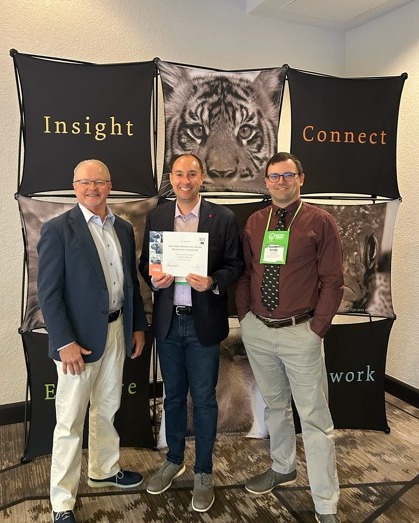
The National Mississippi River Museum & Aquarium (NMRMA) has upheld this commitment since it first gained AZA accreditation in 2009. The recent renewal of this accreditation, celebrated at AZA’s Mid-Year Meeting in Palm Springs, underscores the institution’s continuous effort to provide exceptional care for its animals. Achieving this status is not a simple feat; it involves a comprehensive evaluation process that demands a facility to meet stringent standards set by AZA’s independent Accreditation Commission. As one of just 30 institutions to receive this vital recognition this year, the River Museum exemplifies operational excellence in the zoological field.
The AZA accreditation process often requires a thorough review of multiple aspects of an institution’s operations. Facilities must demonstrate effective animal husbandry practices, high-quality veterinary care, and sound financial management. The evaluation process includes on-site inspections, comprehensive self-assessments, and a review of animal care protocols. Additionally, the facility must provide educational programs that foster public engagement and awareness of species conservation.
The criteria for AZA accreditation are diverse and expansive. Institutions must comply with laws and ethical guidelines regarding animal care and exhibit design that promotes the well-being of the animals. They must have defined conservation efforts, measurable outcomes, and a clear mission statement that aligns with AZA’s goals. Financial stability and effective management processes also play a pivotal role. Each museum and aquarium’s readiness to comply with these rigorous standards speaks volumes about their dedication to their animals and the mission of conservation.
The impact of AZA accreditation extends beyond the walls of zoos and aquariums. It influences conservation efforts across the globe. AZA-accredited institutions contribute significantly to wildlife preservation through various programs that include habitat restoration, species recovery initiatives, and research partnerships. In particular, they participate in collaborative breeding programs to ensure the survival of endangered species. The long-term commitment involves not only care for individual animals but also active participation in global conservation efforts. Visitors are encouraged to understand these challenges and engage with representatives at these facilities to learn how they can also contribute to broader conservation strategies.
Public education is another cornerstone of the AZA accreditation process. Facilities are challenged to provide engaging programming that informs visitors about wildlife ecology, conservation issues, and the threats facing various species. The National Mississippi River Museum & Aquarium excels in this area, offering hands-on experiences and educational programs that captivate audiences of all ages. These programs encourage visitors to think critically about their own roles in environmental stewardship. The institution’s ability to bridge the gap between scientific knowledge and public understanding shows its effectiveness as a resource for the community.
Behind the operational successes of the National Mississippi River Museum & Aquarium are its dedicated leaders, including President and CEO Kurt Strand, Vice President of Finance and Operations Tommy Lange, and Vice President of Living Collections Andy Allison. Their leadership is vital in fostering a culture of excellence. They oversee the facility’s broad array of initiatives, from strategic planning to daily animal care. Their commitment to interdisciplinary collaboration among staff ensures the museum consistently meets or exceeds AZA’s demanding standards.
Team development is crucial in maintaining AZA accreditation. Staff members are encouraged to pursue ongoing education and professional development. Training opportunities are offered in various aspects of animal care, conservation, and education. This emphasis on continual learning strengthens the capabilities of the team, contributing to the overall effectiveness of the museum as an educational resource.
The NMRMA’s recent reaccreditation is an impressive achievement, especially given the growing challenges faced by conservationists and educators today. The COVID-19 pandemic posed significant obstacles for many cultural institutions, and the River Museum had to adapt swiftly to remain engaged with its community. Virtual tours, online learning resources, and social media outreach helped bridge the gap when physical visits were restricted. These strategies not only maintained visitor interest but also kept the museum relevant and accessible.
Recognizing the economic constraints many face today, the River Museum has taken active steps to ensure that its programs are inclusive. Reduced admission prices and outreach initiatives help to draw a diverse audience, contributing significantly to community engagement and education. The museum’s mission extends beyond animal display; it aims to cultivate an informed citizenry that cares about local and global ecosystems.
The financial stability of the National Mississippi River Museum & Aquarium is another factor in its successful reaccreditation. The support it receives from membership fees, donations, and grants plays a crucial role in sustaining its operations. Transparent financial practices assure stakeholders that funds are utilized effectively. Achieving this level of transparency is important, as it fosters trust in the institution’s long-term sustainability and goals.
The success of the museum in meeting the criteria for AZA accreditation reflects a collaborative approach to animal care and conservation. Stakeholders including volunteers, community members, and partnered organizations contribute to various initiatives. This involvement creates a shared investment in the museum’s goals and fosters a sense of ownership among visitors. Everyone who interacts with the facility, from staff to volunteers, plays a part in the broader mission of conservation, instilling a collective sense of responsibility toward wildlife protection.
The accreditation renewal is more than just formal recognition; it enhances the institution’s reputation and strengthens community ties. Schools often seek to partner with AZA-accredited facilities for field trips, bringing students face-to-face with wildlife, which can ignite a lifelong passion for conservation. The National Mississippi River Museum & Aquarium serves as an important educational resource that provides knowledge, fosters respect for nature, and promotes active involvement in preserving our environment.
The significance of the AZA’s accreditation cannot be overstated. It verifies the high standards maintained by the facility and affirms its commitment to animal welfare, conservation, and education. The River Museum’s example demonstrates how a dedicated institution can adapt and thrive in a rapidly changing landscape, effectively contributing to local and global conservation efforts. Each accreditation cycle reaffirms this commitment and poses fresh opportunities for growth, innovation, and collaboration.
As discussions about wildlife conservation continue to evolve, accredited institutions are positioned as leaders in public education. They serve as vital platforms for disseminating scientifically accurate information about biodiversity and ecosystem health. The River Museum plays its part by equipping its visitors with knowledge and tools to make a difference.
The National Mississippi River Museum & Aquarium’s latest achievement showcases the hard work, dedication, and vision that drive accreditation. It stands as a pillar of excellence within the zoological community while also engaging the public in meaningful ways. Visitors leave informed, inspired, and motivated to contribute to the well-being of wildlife and their habitats. The continuous commitment to both animal care and education makes accredited facilities invaluable assets in the quest for a sustainable future.
*****
Source Description
Exciting news! The Association of Zoos and Aquariums (AZA) has announced that the National Mississippi River Museum & Aquarium was granted accreditation by AZA’s independent Accreditation Commission.
The River Museum has maintained its AZA accreditation since 2009, successfully completing the rigorous evaluation process every five years. This year, we were one of 30 facilities to receive accreditation at the AZA’s Mid-Year Meeting in Palm Springs! Pictured at the Mid-Year Meeting are President and CEO Kurt Strand, Vice President of Finance and Operations Tommy Lange, and Vice President of Living Collections Andy Allison.
