
- The biology and anatomy of salamanders
- The diverse species of salamanders and their habitats
- The ecological significance of salamanders in ecosystems
- Conservation challenges faced by salamanders
- The role of educational institutions in wildlife conservation
Salamanders are captivating amphibians that often pique curiosity in both zoos and nature alike. With their remarkable adaptations, they offer rich insights into biological systems, ecosystems, and the pressing concerns of wildlife conservation. This article aims to provide a comprehensive understanding of salamanders, exploring their anatomy, diverse species, ecological roles, conservation challenges, and the vital role educational institutions play in fostering awareness and preservation efforts.
The biology of salamanders is intrinsic to their survival. These amphibians possess distinctive features that set them apart from other vertebrates. Most salamanders have elongated bodies, a tail, and four limbs. Their skin is smooth and often moist, which plays a vital role in their respiratory system as they can absorb oxygen through their skin. This capability enables them to thrive in wet environments, as they require a humid habitat to prevent dehydration.
The skeletal structure of salamanders is also noteworthy. Unlike mammals, they possess flexible bodies and a lightweight skeletal framework that allows for agile movement. Their limbs are structured to support their unique locomotion, whether it’s through walking, climbing, or swimming. Salamanders often exhibit remarkable regenerative capabilities. If they lose a limb, tail, or even parts of their heart, they have the innate ability to regenerate these tissues over time, making them a subject of interest in regenerative medicine studies.
Exploring the diverse species of salamanders reveals a rich tapestry of adaptations and habitats. Approximately 700 species exist worldwide, with notable families such as the Plethodontidae (lungless salamanders) and Ambystomatidae (mole salamanders). Plethodontids are unique for their absence of lungs; they rely entirely on cutaneous respiration, making moisture-rich environments essential for their survival. This family encompasses several diverse genera, including the Eastern Red-backed Salamander and the tiny Desmognathus species.
Mole salamanders inhabit terrestrial environments, often spending most of their lives in underground burrows. The spotted salamander, for instance, spends the majority of its life in leaf litter and underground, emerging primarily during the breeding season. This adaptation provides an advantage against predators while ensuring essential moisture is retained.
Salamanders are sensitive to changes in their environments, making them crucial indicators of ecological health. This sensitivity links them directly to the health of their ecosystems. They play a key role in food webs, contributing to pest control by preying on insects and serving as prey for many larger animals. Furthermore, their skin contains various compounds that contribute to their role in biology and medicine. The study of these compounds may reveal new pharmaceuticals, showcasing the value salamanders hold beyond their role in ecosystems.
Despite their ecological importance, salamanders face a myriad of conservation challenges. Habitat destruction ranks high on the list, largely due to urban development, agriculture, and deforestation. As wetlands and forests are degraded or eliminated, salamanders lose their breeding and feeding grounds. Pollution poses another significant threat, as contaminants from agricultural runoff and industrial waste can directly impact amphibian health and survival.
Climate change is also influencing salamander populations. Altered weather patterns lead to droughts or heavy rains, disrupting breeding cycles and habitat stability. Rising temperatures impact their physiological processes, as many species are highly sensitive to temperature variations. The introduction of invasive species can further compromise their populations by outcompeting native salamanders for resources or introducing diseases.
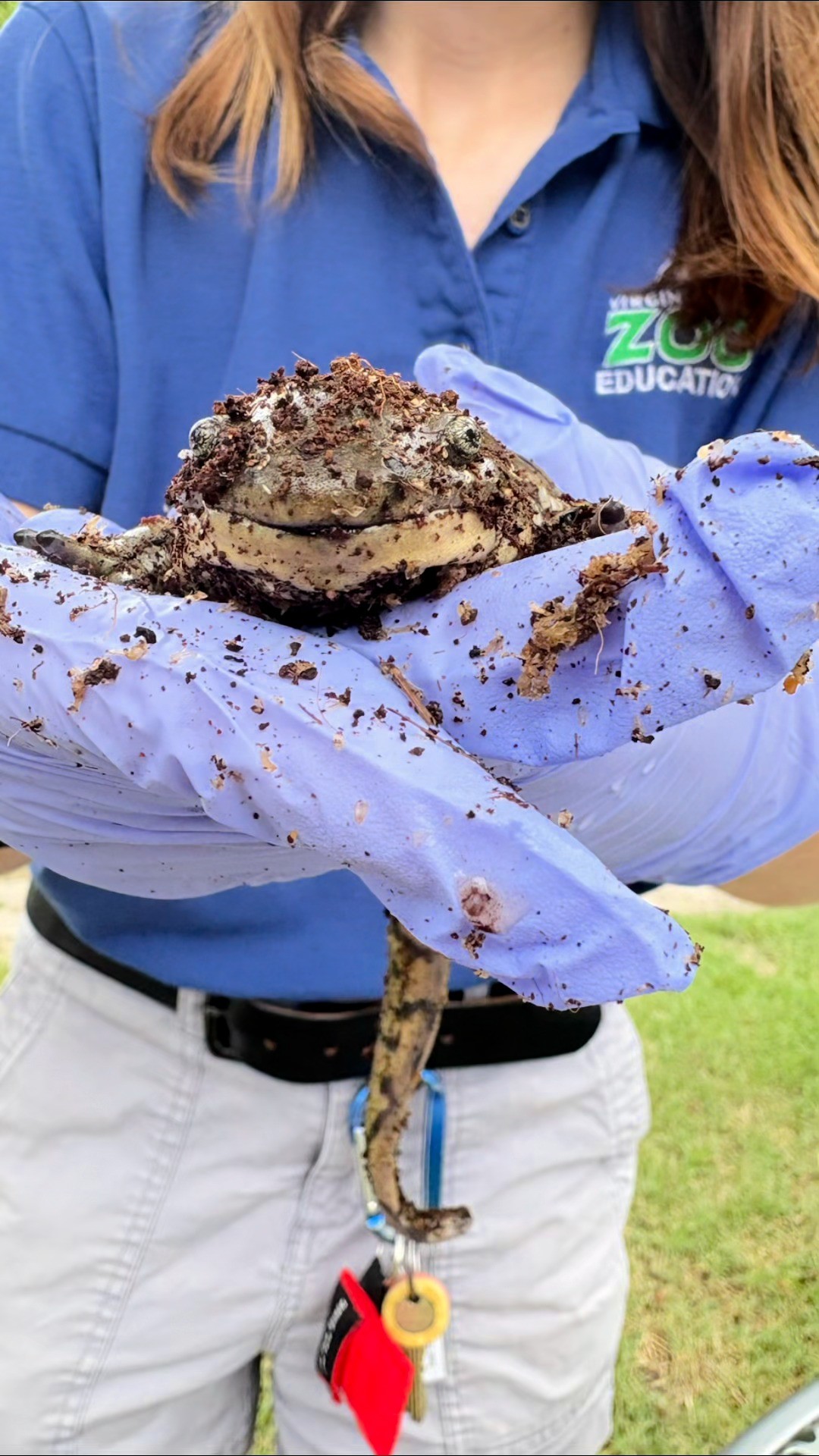
To combat these threats, educational institutions play a pivotal role in wildlife conservation. Zoos and aquariums, such as the ones featuring staff like Bailey, work tirelessly to educate the public about the significance of salamanders and other endangered species. By hosting workshops, interactive exhibits, and conservation programs, they raise awareness of environmental issues and empower individuals to take action.
Engaging with guests fosters a deeper appreciation for wildlife. Programs that involve hands-on experiences often yield heightened interest among the community. Guests are encouraged to ask questions and interact with knowledgeable staff, gaining insights into the biological importance of creatures like salamanders. This experiential learning is key to inspiring conservation efforts on a broader scale.
Research initiatives within educational institutions are also significant. This scientific inquiry often focuses on understanding salamander ecology, biology, and conservation strategies. Data collected from various studies contribute to global conservation efforts and inform policies aimed at protecting their natural habitats. Collaborations with governmental and non-governmental organizations maximize the effectiveness of these initiatives.
Funding for conservation programs often relies on public interest and support. Educational institutions create campaigns that highlight the plight of salamanders, which in turn rallies the community to advocate for policy changes and support habitat restoration projects. Such programs that connect people to wildlife help create a sense of responsibility towards conservation.
Engaging the public is vital for fostering a conservation-oriented mindset. Recognizing the interconnectedness of all species promotes a holistic approach to environmental stewardship. Educational efforts serve to bridge the gap between scientific knowledge and public awareness. As institutional frameworks evolve to address contemporary conservation challenges, the future of species like the salamander may depend on collective efforts to protect their habitats and ensure their survival.
In summary, salamanders are unique amphibians whose biological and ecological roles contribute significantly to the health of their ecosystems. Understanding their anatomy, diverse species, and importance in food webs underscores their vulnerability to habitat loss, pollution, and climate change. Effective conservation requires not only scientific research but also public engagement facilitated by educational institutions. Collaboratives between researchers and community members will be essential to preserving these remarkable creatures for generations to come. By educating and inspiring curiosity, institutions like zoos can play a significant role in turning the tide for salamanders and countless other species facing challenges in an ever-changing environment.
*****
Source Description
Bailey may not know how to build a tree, but they can tell you all about salamanders! 🦎
Check out our guest engagement opportunities during your next visit to learn about our animals from staff like Bailey!
