
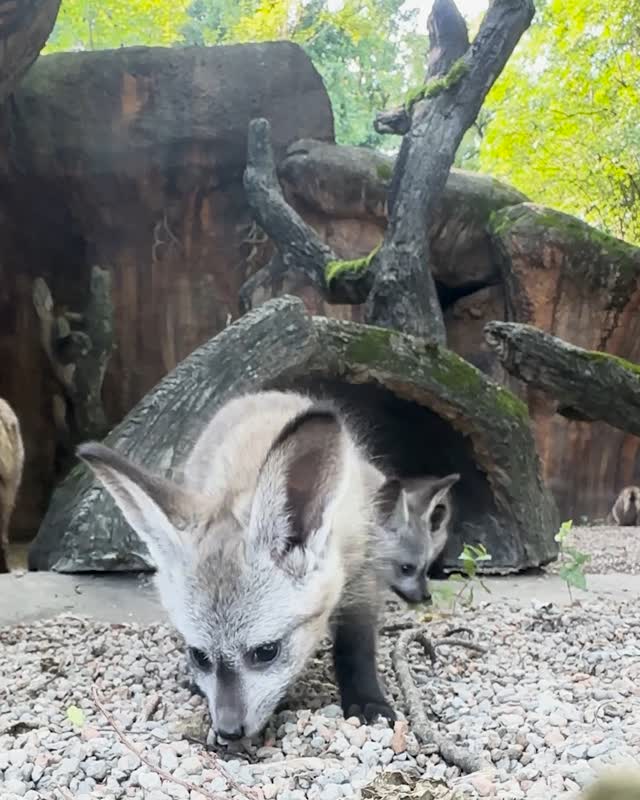
- Exploration and development of bat-eared fox kits’ curiosity.
- Role and functionality of bat-eared fox ears in survival and hunting.
- Conservation efforts and their importance for bat-eared foxes.
- Zoological insights into the behavior and ecology of bat-eared foxes.
- The role of zoo management in preserving and educating about bat-eared foxes.
Bat-eared fox kits, with their trademark oversized ears, are a fascinating subject of study for anyone passionate about zoology and wildlife conservation. Known for their distinctive appearance, these kits are adventurers from a young age, fueled by an innate desire to explore and learn about their surroundings. As they grow, their burgeoning curiosity is crucial for their survival and development.
The exploration of their environment by these young kits is essential for their growth. Early experiences help fox kits learn essential survival skills, such as identifying food sources and recognizing threats. They begin to venture out from their dens more frequently, learning the ways of the wilderness under the watchful guidance of their parents. This phase of curiosity is critical for their development, as it lays the groundwork for their future independence.
One of the defining features of bat-eared foxes is their large ears, which are not merely for aesthetic appeal. These ears play a vital role in their daily lives, acting as powerful tools for survival. The size and shape of the ears enhance their hearing capabilities, allowing them to detect even the faintest sounds of insects moving underground. This auditory advantage is crucial as over 80% of their diet consists of insects, primarily termites. The ability to hear these insects helps the fox locate and capture its prey effectively. This extraordinary adaptation ensures that bat-eared foxes can thrive in their natural habitat, where other food sources may be scarce.
The conservation of bat-eared foxes is an area of significant importance. As with many wild species, they face threats from habitat loss and human encroachment. Conservation efforts are vital to preserving their populations in the wild. These initiatives often involve habitat restoration, anti-poaching measures, and public education about the species’ ecological role. By protecting these foxes and their environments, conservationists hope to maintain the ecological balance and biodiversity essential for a healthy ecosystem.
Understanding the behavior and ecological niche of bat-eared foxes offers insights into their unique role within their habitats. They are primarily nocturnal, using the cover of darkness to hunt and avoid predators. Their diet not only consists predominantly of insects but occasionally includes small mammals and birds, contributing to the control of these populations. Bat-eared foxes are social animals, often seen in pairs or small family groups. Their social structure plays a role in successful rearing of young kits and defending territories from intruders.
Zoo management plays a critical role in the conservation and education efforts surrounding bat-eared foxes. Zoos provide a safe environment for studying these animals up close, enabling in-depth research that might not be possible in the wild. This research can aid in developing strategies to support wild populations. Additionally, zoos serve as educational platforms, raising awareness about the species and conservation issues. Visitors can learn about the challenges bat-eared foxes face and how they can contribute to conservation efforts.
The journey of a bat-eared fox kit, from curious infant to skilled adult, is a remarkable story of adaptation and survival. By understanding their development, unique adaptations such as their remarkable hearing, and the critical conservation efforts needed to protect them, we can appreciate the vital role these foxes play in their ecosystems. Through continued research and education, we can help ensure that these fascinating creatures continue to thrive both in the wild and in managed care settings.
*****
Source Description
Fox Kit Curiosity!
Our bat-eared fox kits are getting braver by the day and starting to explore just like mom and dad. Plus those big ears aren’t just for show—they help them hear insects underground!
