
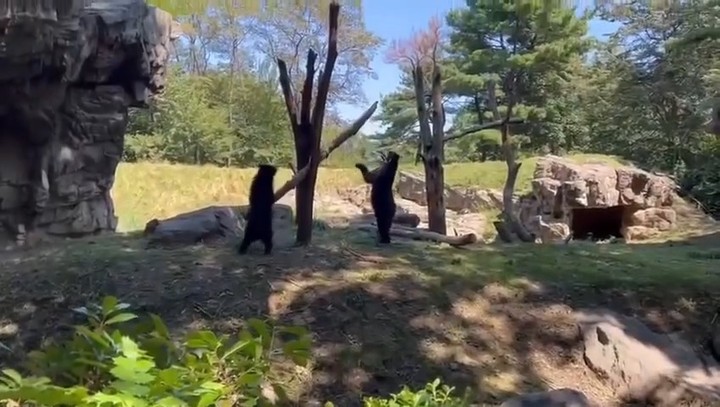
- The importance of social interactions for Andean bears in captivity
- The role of breeding programs in preserving endangered species
- Introduction to the Species Survival Plan (SSP)
- Features of the Queens Zoo habitat for Andean bears
- The significance of engagement for animal welfare
Social interactions play a crucial role in the well-being of Andean bears, particularly in a zoo environment. These bears often thrive in social settings, enhancing their emotional health and stimulating natural behaviors. The recent introduction of Ransisku, a male Andean bear, to Coya, a young female bear at the Queens Zoo, has revealed how essential these interactions can be. The video shared online shows them climbing, playing, and exploring their habitat together. Their engagement is beneficial for their psychological enrichment. Such interactions not only enhance their quality of life but also support their preparedness for breeding.
Breeding programs have become increasingly vital for the conservation of endangered species, including Andean bears. The Andean bear, or Tremarctos ornatus, is classified as vulnerable due to habitat loss, poaching, and other anthropogenic factors. In many cases, the most effective way to preserve a species is through human intervention. Breeding programs can mitigate the risks associated with declines in genetic diversity and overall population strength. For Andean bears, these programs are essential in fostering a genetically viable population, which can eventually be reintroduced into their natural habitats.
The Species Survival Plan (SSP) is instrumental in orchestrating these breeding efforts. Developed by the Association of Zoos and Aquariums (AZA), the SSP coordinates breeding among accredited zoos to maximize genetic diversity and improve the demographic stability of animal populations. It involves careful planning and research to track animals’ lineage, health, and social structures. In the case of the Queens Zoo, the introduction of Ransisku to Coya is part of this systematic and strategic approach, designed to foster genetic diversity and increase the chances of producing healthy offspring.
The habitat at the Queens Zoo has been thoughtfully crafted to fulfill the needs of the Andean bears. The climbing structure made of wood serves multiple purposes: it offers the bears a place to play, exercise, and establish their territory through scent marking. Such features mimic the natural environment, allowing Coya and Ransisku to display instinctive behaviors, including climbing and scratching. This structure acts as a playground, enabling both bears to explore while reinforcing social bonds. The ability to interact with their environment in this way supports their overall welfare.
Engaging zoo animals in meaningful activities is essential for their mental and physical well-being. An environment that promotes engagement helps reduce stress and provides opportunities for natural behaviors. Watching Ransisku and Coya use the wooden log like a seesaw illustrates this point perfectly. As these two bears interact, they learn from one another, develop social skills, and establish companionship, all while indulging in play. The stimulation from such activities reflects not only on their personal health but extends to the broader objective of species preservation.
The significance of socialization extends beyond physical interactions. In many animal species, learning crucial life skills comes from observing and interacting with peers. For Andean bears, social play is an essential aspect of their developmental process. Both Ransisku and Coya benefit from this dynamic as they prepare for potential breeding in the future. Through play, they may learn important mating behaviors that are essential for species survival.
Habitat enrichment also plays a vital role in the social and emotional health of zoo animals. At the Queens Zoo, the climbing structures are designed not only for entertainment but also to challenge the bears physically. In the wild, Andean bears are known to climb trees to forage for food or escape predators, and replicating such scenarios in captivity promotes natural behaviors. Keeping animals engaged through environmental enrichment can challenge their cognitive abilities and help prevent the onset of stereotypical behaviors often observed in zoo animals.
In addition to the physical structures, the relationship between the zookeepers and the animals is fundamental to their well-being. Zookeepers observe the bears closely, ensuring that any changes in behavior are noted and addressed. They also offer enrichment activities, food puzzles, and training sessions. The guidance that zookeepers provide can help facilitate healthier behaviors and foster bonds with the animals, enhancing their enrichment experience.
Monitoring the health of Andean bears, particularly when involved in breeding programs, requires an intricate understanding of their physical and behavioral needs. The breeding of two genetically viable individuals is monitored not just for the sake of population increase but also for the genetic health of future generations. The SSP takes into account various factors, from breeding age to family lineage, ensuring the long-term success of the population in captivity and beyond.
The role of education in zoos cannot be overstated. An important aspect of the Queens Zoo’s mission is to share knowledge with the public about Andean bears and other species. Through educational programs, visitors can learn about the importance of conservation and the role of breeding programs like the SSP in safeguarding biodiversity. Informative exhibits and presentations help cultivate a sense of responsibility among the public, encouraging support for conservation efforts.
As visitors observe Ransisku and Coya engaging with each other in their habitat, they gain a heightened appreciation for the behaviors and interactions that define these remarkable animals. The zoo becomes a living classroom where individuals can witness firsthand the complexities of animal behavior, conservation efforts, and the importance of species survival.
The partnership between zoos and conservation organizations fosters a broader commitment to protecting species in the wild. Conservation initiatives that complement breeding programs, such as habitat preservation and anti-poaching measures, are integral to enhancing the overall health of animal populations. The responsibility does not rest solely with zoos; it encompasses various stakeholders, including governments, NGOs, and local communities, all working together for the protection of endangered species.
In addition, the importance of community engagement cannot be underestimated. Local communities often play a pivotal role in conservation efforts. By involving them in educational initiatives, such as workshops and informational sessions, awareness can be raised about the challenges faced by these species and what can be done to help. Empowering local populations to participate in conservation not only aids the Andean bears but also enriches local ecosystems.
The playful interactions between Ransisku and Coya serve a significant purpose beyond entertainment. They are part of a larger strategy aimed at preserving the Andean bear population through social bonding, engagement, and educational outreach. By understanding the behavioral intricacies of Andean bears and the role that human involvement plays in their conservation, a more substantial impact can be achieved for both the bears and their habitats.
The continued success of breeding programs like the one at the Queens Zoo exemplifies the advancements being made in wildlife conservation. The focus on genetic diversity, social interactions, habitat enrichment, and community education creates a multifaceted approach to preserving the Andean bear population. These efforts not only highlight the importance of zoos in conservation but also inspire a collective commitment to protect all endangered species.
Participation in breeding programs like the SSP is not merely a response to environmental challenges; it is an opportunity to shape the future for endangered species. The relationship between humans and wildlife can evolve into a sustainable coexistence where both can thrive. Witnessing Ransisku and Coya’s connection emphasizes that indeed, bears that play together are not just improving their emotional health; they are contributing to the lasting legacy of their species.
*****
Source Description
Bears that play together, stay together! In September, we shared that we had welcomed a new male Andean bear, Ransisku, to the Queens Zoo and introduced him to our young female Andean bear, Coya. This video shows the two young bears getting along very well and engaging with a climbing structure in their habitat. Watch them use the large log like a seesaw! The wood structure also provides the bears with a place to scent mark, chew, scratch, climb, and explore.
The Queens Zoo has introduced these Andean bears for breeding as part of a Species Survival Plan (SSP), a cooperative breeding program designed to enhance the genetic viability and demographic stability of animal populations in zoos and aquariums accredited by the Association of Zoos and Aquariums (AZA).
📹: Keeper Raul
