
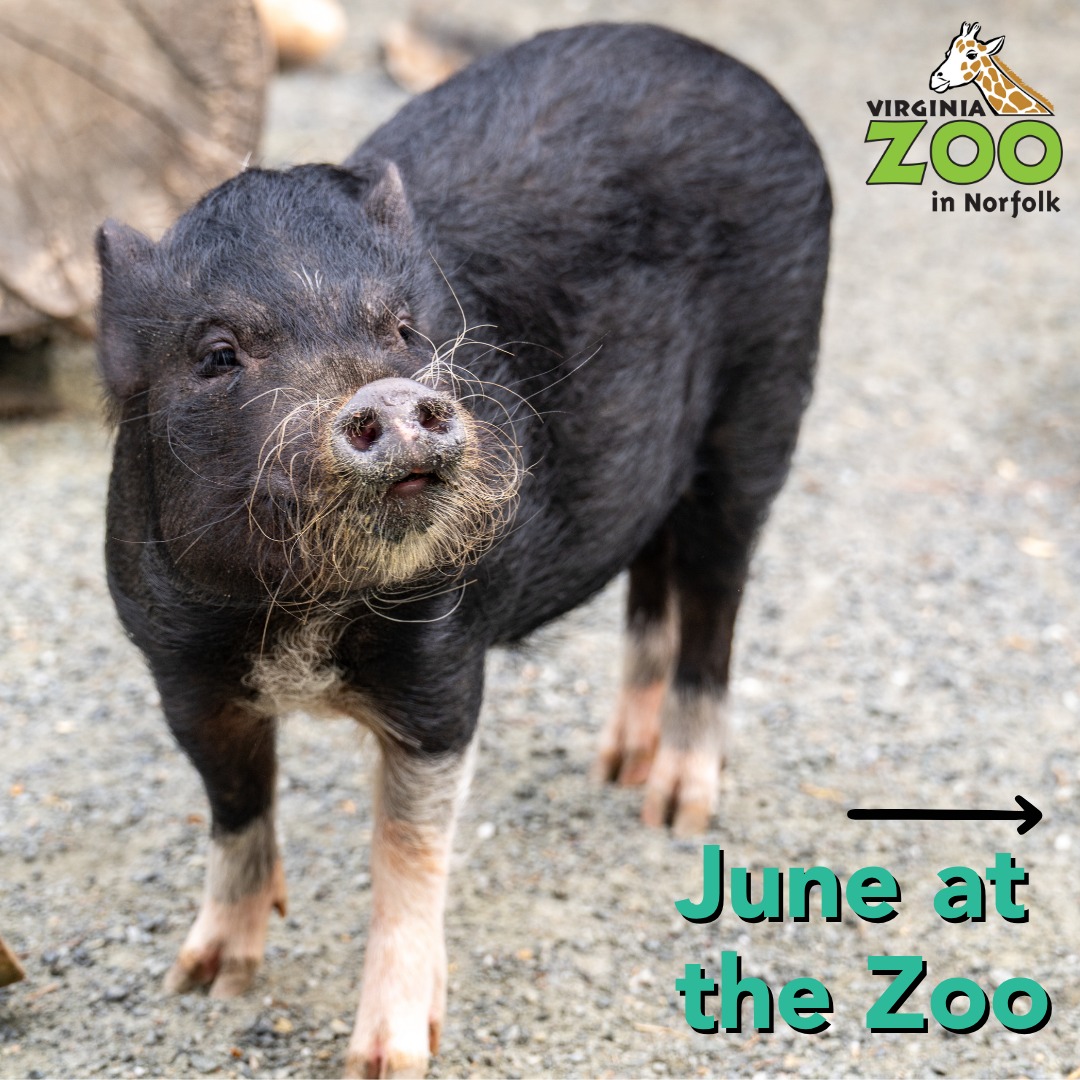
- Explore strategies to manage summer heat for zoo animals, ensuring their well-being.
- Highlight summer events and educational opportunities at the zoo for visitors.
- Discuss the role of zoos in wildlife conservation and their educational impact on the community.
- Examine adaptive techniques used by zoos to recreate natural habitats.
- Provide insights on the challenges and responsibilities of zoo management during summer months.
As temperatures rise, zoos face the critical task of ensuring the health and comfort of their animals. The strategies employed are as varied as the species housed within these facilities. For cold-sensitive animals like penguins, maintaining optimal temperatures involves advanced cooling systems. In contrast, species accustomed to arid environments may enjoy innovative misting devices and shaded areas strategically placed to mimic their native habitats. Enclosures are thoughtfully designed with insulated structures and water features that encourage natural behaviors.
Beyond maintaining animal welfare, zoos capitalize on the summer season to engage visitors through a slew of events and educational opportunities. Summer camps, guided tours, and interactive learning sessions are tailored to family audiences, creating engaging touchpoints with wildlife. These events foster a deeper understanding of biodiversity and emphasize the importance of conservation efforts. Special initiatives such as "Meet the Keeper" sessions allow visitors to glean insights into animal care and the conservation strategies adopted by zoos globally.
The mission of conservation is intrinsically linked with the operation of modern zoos. Institutions work tirelessly to protect endangered species through captive breeding programs and support for wild habitats. These efforts aim to bolster population numbers and ensure genetic diversity, often collaborating with international wildlife organizations. Zoos serve as vital repositories of genetic material, maintaining insurance populations against extinction threats due to habitat loss and climate change.
One of the significant challenges faced by zoos is recreating environments that allow animals to exhibit natural behaviors. This requires the integration of scientific research into enclosure design, taking into account factors like social structures, dietary needs, and environmental triggers. Zoos must constantly innovate, employing technologies such as plantings, soil structures, and interactive elements that mimic the ecosystems from which the animals originate. These adaptations are pivotal in promoting psychological well-being and reducing stress-related behaviors.
Managing a zoo during the summer introduces unique challenges, from fluctuating visitor numbers to increased operational demands. Administrators must balance safety protocols, animal care, and the visitor experience. The success of these operations depends on careful coordination between departments, ensuring that educational programs run smoothly and that animals receive consistent, attentive care. Strategic marketing and community outreach further amplify the zoo’s role as a bastion of conservation, education, and family-friendly entertainment.
In conclusion, beating the heat at the zoo is more than a logistical undertaking; it is an opportunity to set new benchmarks in animal care and community engagement. As visitors explore these vibrant spaces, they become part of a larger narrative that champions biodiversity and highlights the ongoing efforts to safeguard our planet’s precious wildlife.
*****
Source Description
Looking to beat the heat 🥵? Maybe you just want to celebrate summer ☀️? This month at the Zoo we’ve got you covered! Check it all out here →
