
- Understanding the behavior of big cats in warm weather
- The significance of water enrichment for feline species
- Conservation efforts related to big cats and their habitats
- The role of zoos in educating the public about wildlife
- Recommended practices for maintaining animal welfare in extreme temperatures
Warm weather prompts various behavioral adaptations in wildlife, especially in big cat species such as lions, tigers, and leopards. As temperatures rise, animals exhibit different coping mechanisms, which are essential for their survival. Understanding these behaviors can also enhance our approaches to wildlife management and conservation. Big cats are not only apex predators; they possess intricate social structures and have specific environmental needs.
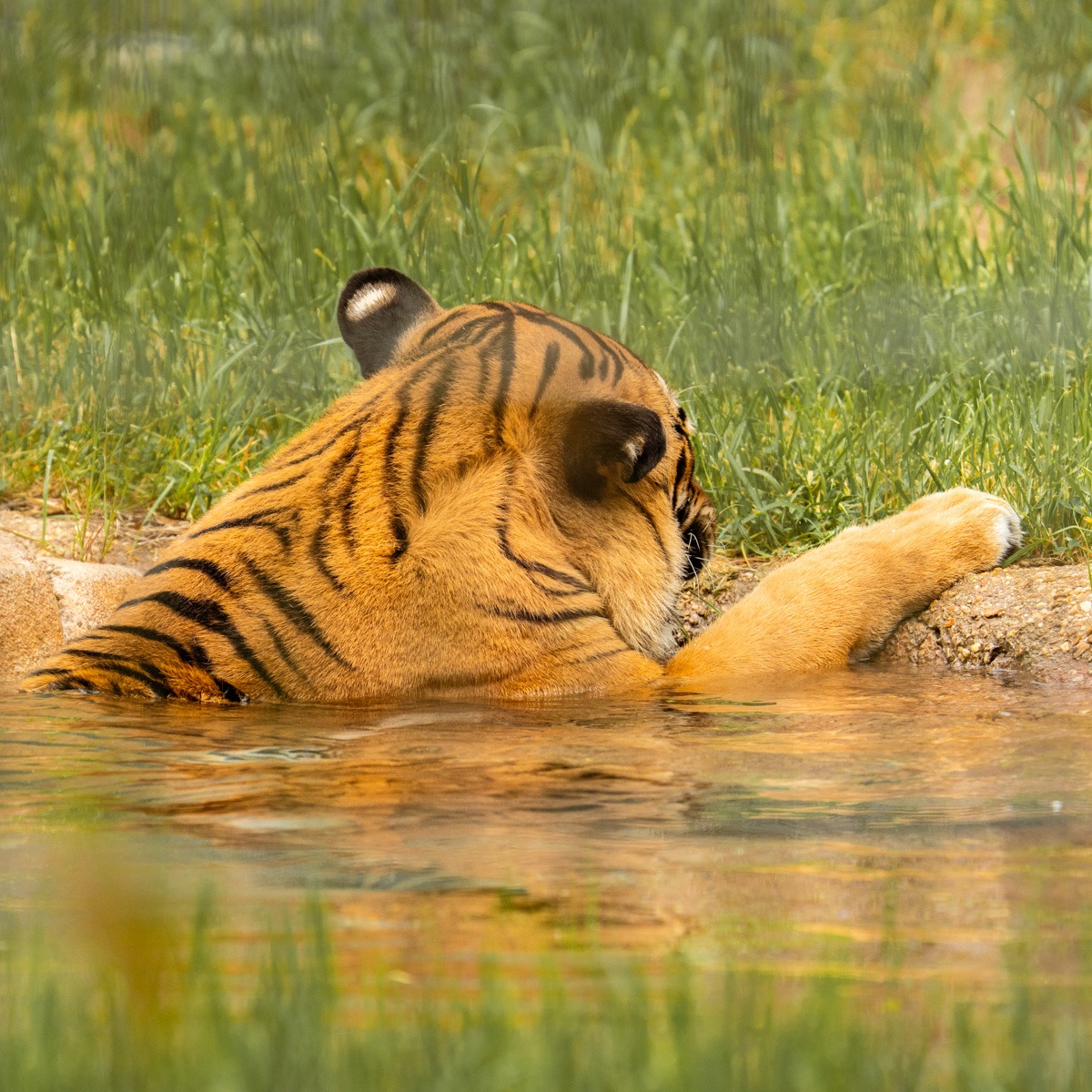
In warmer climates, big cats often seek out cooling solutions, which can include lounging in shaded areas or wading into water. Providing pools for these animals isn’t just a luxury; it replicates their natural behavior in the wild. For instance, many species of big cats are known to swim well. Tigers, in particular, are adept swimmers and often enjoy water for play or to keep cool. Offering water features in enclosures, therefore, can significantly improve the physical and psychological health of these animals.
Water enrichment serves multiple functions. It offers hydration, fosters natural behaviors, and allows for play. Swimming pools and water features can stimulate physical activity and social interactions among big cats. For example, in a zoo setting, an enriched environment can encourage different types of play behaviors, which is crucial for their overall well-being. Research indicates that animals who are cognitively active tend to exhibit fewer signs of stress and lethargy. Inadequate stimulation, on the other hand, can lead to abnormal behaviors and health issues. Thus, when facilities incorporate pools and water play, they enhance the quality of life for their animal inhabitants, especially during hot weather.
Implementing these water features in zoos not only benefits the big cats but also offers a unique opportunity for visitor education. They can witness firsthand how animals behave in these environments, allowing for a deeper understanding of big cats. Education plays a critical role in conservation. Many people may not realize the challenges faced by big cats in the wild due to habitat loss, climate change, and poaching. Zoos offer platforms for raising awareness and driving conservation initiatives.
Through educational programs and outreach, zoos can inform the public about the importance of habitat preservation and the threats big cats face. This awareness can translate into action, whether it’s donations, volunteering, or supporting legislation designed to protect wildlife. Effective conservation efforts often start at the community level, where people can engage, learn, and advocate for biodiversity.
The habitat of big cats is increasingly under pressure. Due to urban expansion and agricultural practices, many species face significant threats to their survival. Programs aimed at protecting or rehabilitating these habitats are essential. Wildlife corridors, protected reserves, and community engagement are critical facets of successful conservation strategies. Conservationists work tirelessly to establish safe zones where these animals can roam without the threat of human interference. Education about these programs can inspire individuals to contribute to conservation efforts, whether financially or through volunteering.
Zoos also serve as sanctuaries, providing a safe haven for big cats that are unable to survive in the wild. Many facilities participate in managed breeding programs aimed at helping revitalize population numbers. Such programs are vital when species face extinction due to human activities. When big cats are bred in captivity, it is crucial that their welfare is prioritized. Enrichment, including swimming pools and playful interactions with their environment, can help replicate the challenges they would face in their natural habitat.
Additionally, zoos must uphold high standards of care for their animals. Expert animal care teams monitor health, diet, and social structures, ensuring the animals thrive under their care. Effective management practices can lead to healthier animals, thus enhancing the educational value of any presentation about big cats. Proper care routines, including sufficient space and mental stimulation, cater to the essential needs of these animals.
During particularly warm days, increasing the number of water activities can help mitigate heat stress. Staff often implement protocols for extreme weather, which involve ensuring that pools are consistently maintained and safe for use. Keeping these facilities clean helps avoid health issues for the animals while promoting frequent engagement.
Public awareness of how to support big cats also extends to individual practices. People can help by advocating for sustainable products and services that aid in conservation. Encouragement of responsible tourism, which does not disrupt natural habitats, can also maintain the big cat populations through a more balanced interaction with the environment.
Engring educational campaigns on the importance of biodiversity is paramount. Challenges such as climate change can have acute impacts on big cat habitats, leading to a decrease in prey availability and subsequently increasing human-wildlife conflict. These dynamics highlight the ethical responsibilities we face as stewards of the environment.
As temperatures rise and weather changes, planning for the welfare of wildlife becomes increasingly important. Wildlife managers across various facilities work together to find the right strategies for heat control. This includes providing adequate water sources, shade, and alternate feeding times to meet the delicate needs of these animals in varying climates. Engaging with experts in animal behavior and environmental psychology can lead to improved practices for managing big cats in zoos and other care facilities.
To foster community involvement in conservation, zoos can create interactive educational exhibitions. Such programs may include guest talks, workshops, and volunteer opportunities tailored to teach the public about the biological and ecological significance of species such as lions and leopards. Engaging educational activities can create an emotional connection between the public and wildlife, encouraging more people to get involved.
Research continues to show that zoos are not just locations for entertainment. They play a critical role in wildlife conservation. These institutions often engage in field studies, genetic research, and habitat restoration initiatives. Collaborating with international conservation organizations enhances these efforts and can lead to real change in the protection of species.
Much more needs to be done to improve conditions for big cats globally. More than just keeping them alive, the focus must shift to creating environments where these animals can thrive. Cooperative programs between zoos, conservation organizations, and governments can lead to substantial improvements in wildlife management. By adopting sustainable practices in both captivity and the wild, we can pave the way for future generations to experience these magnificent creatures.
When the hot summer sun shines down, a pool day becomes more than just a fun activity for feline residents in zoos; it’s about survival, enrichment, and education. Each moment spent swimming or lounging helps these animals maintain their health and well-being as they adapt to seasonal changes. Through thoughtful management and active conservation efforts, the fight for big cats continues, striving towards not just survival, but a flourishing existence.
*****
Source Description
Whew… It’s warm out there. Even our big cats love a good pool day when the temps rise. 💦🐆
