
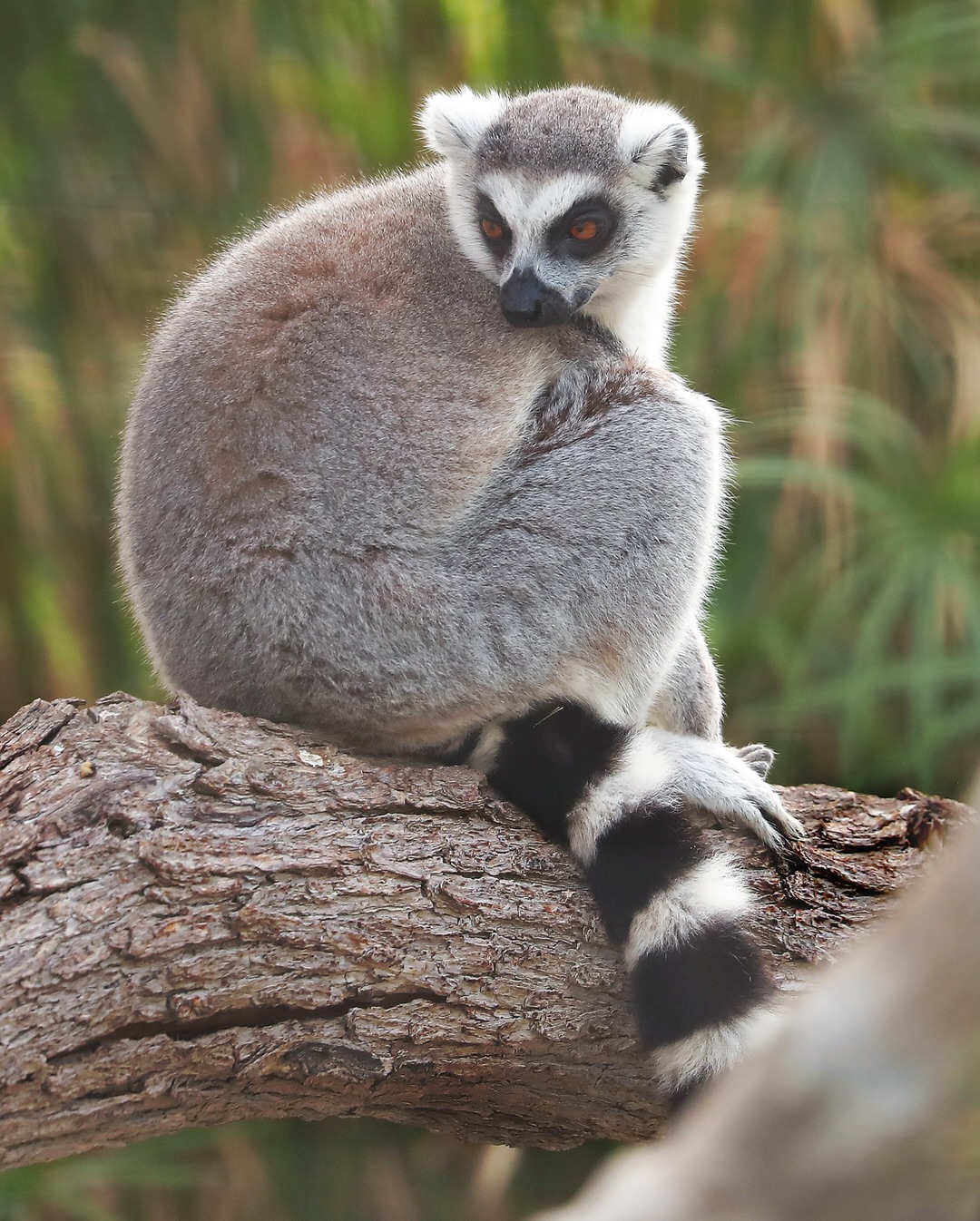
- Understanding the Concept of “Beautiful from Every Angle”
- The Importance of Aesthetic Appreciation in Nature
- Wildlife Conservation and Aesthetic Value
- Zoo Management and Its Role in Animal Welfare
- Community Engagement and Educational Outreach
The phrase "Beautiful from every angle" encapsulates the appreciation of nature’s diversity through its aesthetics. This notion extends beyond mere visual beauty to encompass the ecological, behavioral, and biological intricacies of wildlife that inspire awe and admiration. Such appreciation fosters a deeper connection between humans and the natural world, motivating individuals to engage in conservation efforts.
Aesthetic appreciation in nature is a powerful tool. It encourages people to value and protect wildlife and their habitats. Studies show that exposure to nature can improve mental health and well-being, reducing anxiety and promoting tranquility. Landscapes that are rich in biodiversity not only captivate the eye but also stimulate curiosity. They remind us of the intricate relationships that sustain ecosystems. This interconnectedness—where every species plays a role—enhances our understanding of ecological balance.
Wildlife conservation efforts increasingly recognize the aesthetic value of animals and their habitats. Species facing extinction often elicit a strong emotional response due to their striking appearances and behaviors. Iconic wildlife, such as the majestic snow leopard or the vibrant coral reefs, serve as symbols for conservation campaigns, rallying public support and funding. This emotional engagement is crucial; it transforms abstract conservation goals into tangible action. Effective conservation strategies leverage this emotional connection to advocate for policies, sustainable practices, and public awareness.
The role of zoos in wildlife conservation cannot be understated. Modern zoos are shifting from mere display systems to centers focusing on education, research, and breeding programs to ensure species survival. By showcasing animals in environments that mimic their natural habitats, zoos create spaces where visitors can experience the beauty of wildlife up close. Educators provide insights that enrich the visitor experience, emphasizing the importance of endangered species and threatening habitats. This proactive approach aids in fostering a sense of responsibility among the public, particularly young people who represent the future of conservation.
Animal welfare has become a cornerstone of zoo management. This shift reflects a broader understanding that healthy animals display their beauty more vibrantly. It encourages facilities to prioritize proper nutrition, social structures, and environmental enrichment. Here, staff and veterinarians work collectively to provide habitats that allow species to express natural behaviors. Such practices enhance the overall well-being of animals, resulting in more vibrant displays of behavior that fascinate visitors and inspire awe.
Further, community engagement amplifies the message of conservation. Zoos increasingly involve local communities through educational outreach programs and volunteer opportunities. This interaction fosters a culture of respect for wildlife and enhances local conservation initiatives. Engaging with community members promotes awareness of local biodiversity and the challenges it faces due to urbanization and pollution. Experiential learning activities, such as wildlife workshops and guided tours, cultivate an appreciation for the natural beauty surrounding them.
Educational outreach extends beyond the physical walls of zoos. It plays a significant role in schools, inspiring future generations to become advocates for animal care and environmental stewardship. Programs tailored to various age groups impart knowledge in accessible formats—ensuring complex issues are understood without losing their significance. Such initiatives reinforce the concept of being "Beautiful from every angle," showcasing the deep and lasting relationships between humans and wildlife.
Engagement through social media platforms spreads the message even further. Zoos highlight their work in conservation, research, and rehabilitation through stunning photography and compelling storytelling. Visual content resonates with audiences, illustrating the unique beauty of various species while candidly discussing environmental threats. This digital connectivity permits the audience to appreciate wildlife from every angle, sparking interest and encouraging involvement.
The collaboration between zoologists, conservationists, and zoo professionals drives innovation in practices aimed at both wildlife preservation and ethical management of animal care. These professionals provide critical insights into the needs of different species, tailoring care and habitat design to reflect their natural environments. Knowledge gleaned from extensive research informs a continuous loop of learning, improving care practices that highlight animals’ aesthetic and behavioral characteristics.
For example, advanced biomedical technologies enable veterinarians to monitor wildlife health more effectively. Screening and diagnostic tools allow for early detection of health issues, significantly improving animal welfare. These advancements ensure animals remain vibrant representatives of their species, showcasing their beauty through robust health and social behavior.
The concept of being "Beautiful from every angle" resonates strongly with the challenges posed by climate change. As ecosystems shift and species adapt, the aesthetic appeal of wildlife may fluctuate, demanding further human attention. Ongoing research into how climate variations affect species behavior, migration, and reproduction informs strategies that promote adaptability. Recognizing that such ecological changes can affect animal populations is critical for implementing effective conservation measures.
The public’s understanding of beauty in nature needs sophistication. While it is easy to marvel at a colorful parrot or the grace of a gazelle, true appreciation involves understanding the dynamics that shape their lives. The complexity of their ecosystems, their roles within their communities, and the external threats they face all contribute to their appeal. Society must foster a sense of urgency around the preservation of these profound beauties to guarantee they endure for future generations.
Different cultural perspectives also enrich the conversation about beauty in nature. Various cultures hold diverse views on wildlife, often informed by traditional beliefs and practices. Recognizing these perspectives broadens discussions around conservation strategies and generates inclusive approaches. By integrating cultural insights, conservationists can form cross-cultural partnerships that aid in addressing local ecological challenges while respecting traditional knowledge.
Zoos can serve as facilitators for these dialogues, encouraging conversations that shape conservation narratives. By creating platforms where diverse voices are heard, zoos foster a collaborative environment aimed at sustaining both animals and habitats. Providing educational resources that highlight biodiversity, conservation, and cultural views enriches visitor experiences and creates lasting impressions of beauty and responsibility.
Moreover, further advances in conservation technologies, such as drones and remote sensing, enable more comprehensive monitoring of wildlife and habitats. These technologies allow conservationists to assess ecological health, mitigating threats from poaching and environmental degradation. By protecting environments in which animals thrive, the inherent beauty of species can endure through generations.
The collaboration of zoos with research organizations enhances knowledge on species behavior that informs animal husbandry. For instance, studies on social structures among primates, fish schooling behavior, or migratory patterns in birds enhance our understanding of how to provide stimulating environments. Such insights not only beautify the landscape but also ensure the well-being of the population housed within.
This proactive approach within zoos serves an educational purpose. Visitors observe how animals interact with their environments and one another, cultivating an appreciation for their complexity and beauty. By showcasing vibrant, engaged animals, zoos convey messages about the responsibilities humans have toward wildlife.
Through alliances with environmental organizations, zoos increase their impact on global conservation initiatives. By participating in breeding programs or habitat restoration efforts, zoos contribute to regional and international efforts to preserve species at risk. Such actions highlight the interconnectedness of ecosystems and inspire collaboration among various stakeholders.
Ultimately, being “Beautiful from every angle” encapsulates more than just the aesthetic beauty of nature. It underscores the intricate relationships that form ecosystems, the importance of conservation efforts, and the role of zoos in fostering public engagement. Education is key; by instilling a sense of wonder in the beauty of wildlife, we cultivate advocates who are willing to take an active part in preserving the natural world for future generations to enjoy. This multifaceted understanding ensures we embrace the complexities of life and appreciate the beauty around us from every angle.
*****
Source Description
جميييل من كل الزوايا💚🪄
.
.
BEAUTIFUL from every angle💚🪄
.
.
