
- Understanding the Biology of Okapis
- The Significance of Tongue Color in Okapis and Giraffes
- Conservation Challenges Facing Okapis
- The Role of Zoos in Okapi Conservation
- Visitor Engagement through Educational Experiences
Okapis, with their striking appearance and fascinating adaptations, present a compelling subject for study. Related to the giraffe, okapis (Okapia johnstoni) are often called the "forest giraffe" due to their similar body structure and unique features. Both species boast black tongues, and this article explores the significance of this trait, the biology of okapis, their conservation status, and the role of zoos in preserving this remarkable animal.
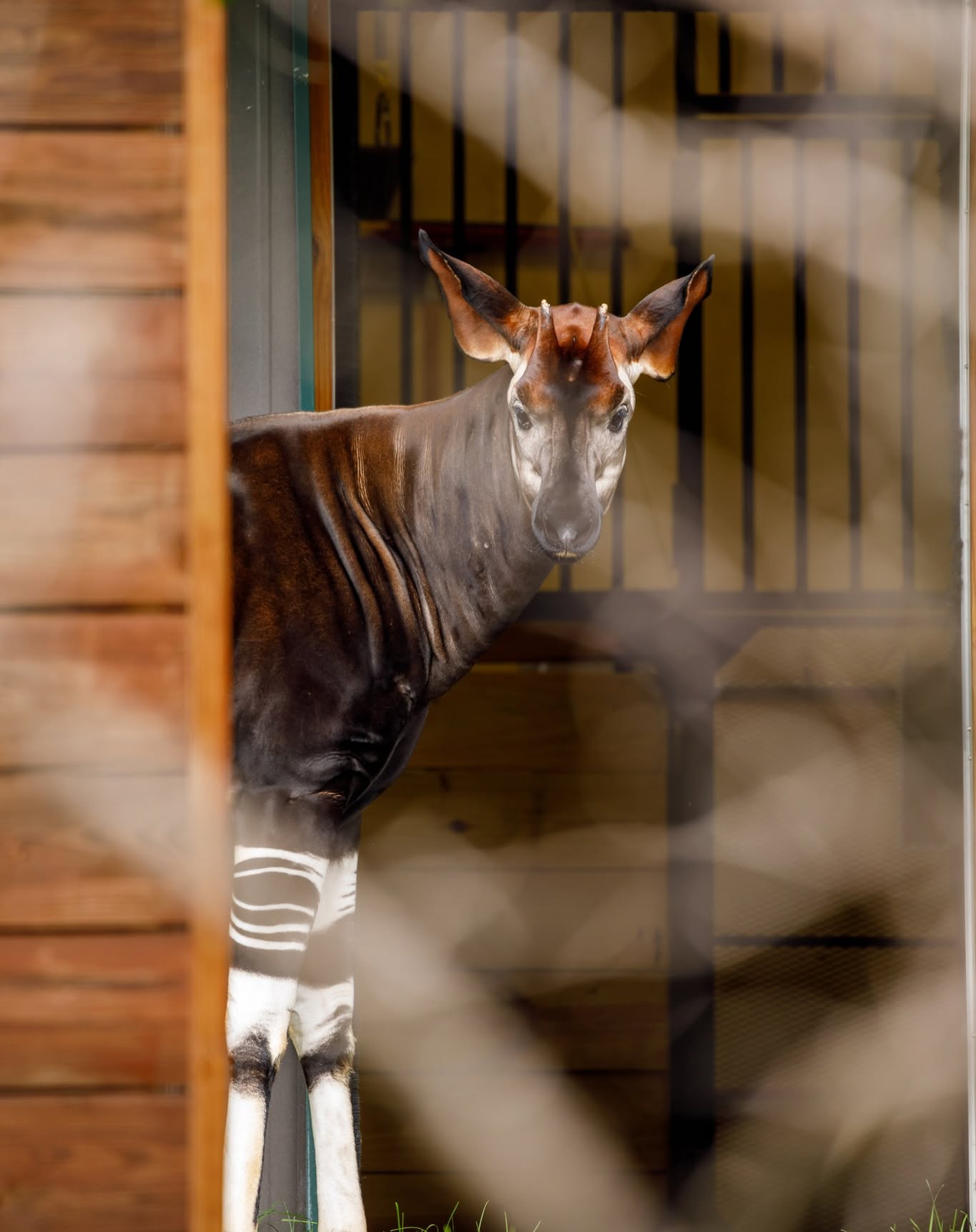
Understanding the Biology of Okapis is essential to fully appreciate their place in the animal kingdom. Okapis possess a unique body structure with a long neck, similar to that of a giraffe, and long legs adorned with stripes reminiscent of zebras. This distinct appearance helps them blend into their forest habitat. Adult okapis reach up to 4.5 to 5.5 feet at the shoulder and weigh between 600 to 700 pounds. They are herbivorous, primarily feeding on leaves, fruits, and ferns, which are abundant within their dense rainforests.
Their black tongues, much like those of giraffes, play a crucial role in their feeding habits. These tongues can extend up to 12 inches, allowing okapis to grasp and manipulate foliage with precision. The color of their tongues is attributed to high levels of eumelanin. This pigment not only provides a darker hue but also offers protection against UV radiation, a vital adaptation considering the dappled sunlight in their forested environment.
The Significance of Tongue Color in Okapis and Giraffes extends beyond mere aesthetics. The melanin in the tongues serves multiple functions. While the primary one is to provide UV protection, it also indicates the animal’s health. A healthy okapi has a vibrant, well-maintained tongue, whereas a faded or damaged tongue could indicate stress or illness. Furthermore, tongue color can play a role in social interactions among these animals. The dark pigmentation may signify vitality or fitness during mating displays or social interactions, contributing to their reproductive success.
Conservation Challenges Facing Okapis have become a topic of increasing concern. Native to the Democratic Republic of Congo, okapis face a multitude of threats, including habitat destruction, poaching, and civil unrest in their home region. Deforestation, driven by logging and agricultural expansion, significantly reduces their natural habitat, leading to fragmented populations. The International Union for Conservation of Nature (IUCN) classifies the okapi as Endangered. Research estimates that okapi populations have declined by more than 50% over the past three decades due to these threats.
In addition to habitat loss, poaching poses a severe risk. Okapis are sometimes hunted for their meat and skin, exacerbated by the ongoing conflict in their region. Despite legal protections, enforcement in remote areas is challenging. These factors have triggered the need for robust conservation strategies to safeguard the future of the species.
The Role of Zoos in Okapi Conservation is an indispensable aspect of broader wildlife conservation efforts. Zoos operate under a mission to educate the public and contribute to global conservation initiatives. Through carefully managed breeding programs, zoos aim to maintain genetic diversity among captive populations, essential for any potential reintroduction into the wild. Zoos also participate in habitat preservation projects, working in collaboration with local governments and conservation organizations to protect the okapi’s native landscape.
Additionally, zoos provide a platform for education and awareness, engaging visitors in discussions about the importance of preserving this unique species. Through educational programs, visitors learn about the ecological role of okapis and the threats they face, fostering a deeper connection to wildlife conservation.
Visitor Engagement through Educational Experiences is vital for sparking interest in conservation. Zoos often create immersive exhibits that simulate natural habitats, allowing the public to observe okapis in an environment resembling their native rainforest. Such experiences provide invaluable opportunities for learning and engagement. Interactive displays and informational sessions can lead to greater awareness and advocacy for conservation efforts.
Engagement efforts are increasingly aimed at younger audiences. By introducing children to the importance of protecting wildlife, zoos help foster a new generation of conservationists. Programs that include hands-on activities, like feeding sessions or behind-the-scenes tours, expand the understanding of these amazing animals.
Images of okapis can also captivate a wider audience. The Before Blep vs. After Blep phenomenon, often shared on social media, highlights the expressions and behaviors of animals, including okapis. These images can humanize the creatures and draw attention to the issues they face. Sharing the uniqueness of animals through engaging visual content can lead to increased support for conservation.
As part of the global effort, zoos continuously generate data through research programs targeting okapi ecology and habitat requirements. This research supports conservation strategies aimed at maintaining and restoring okay populations in the wild. By documenting behaviors, breeding, and health, zoos play an important role in establishing comprehensive conservation plans.
Moving forward, collaborative efforts among various stakeholders, including governments, NGOs, and local communities, are essential for the effective protection of okapi habitats. Approaches that prioritize coexistence between wildlife and human communities, alongside sustainable land use, are critical. Equally important is the inclusion of local populations in conservation efforts to ensure that protections are respected and effective.
Okapis remain an integral part of their ecosystem, contributing to the vitality and health of their native forests. Their role as browsers helps maintain the balance between plant growth and animal grazing, showcasing their ecological importance. Without thorough conservation initiatives, these species face the risk of extinction.
In essence, the world’s perception of the okapi goes beyond statistics and classification. Through comprehensive studies and public engagement efforts, the narrative around these creatures is one of urgency and hope. By preserving the unique traits of okapis and ensuring their survival, we foster a better understanding of biodiversity and the numerous environmental challenges we face today.
The journey of conservation is not solely the responsibility of zoos or governments; it is a collective effort that requires the active participation of individuals. The awareness gained from Before Blep vs. After Blep photography, combined with the rigorous scientific initiatives of institutions globally, creates a formidable alliance in the fight for wildlife preservation.
Okapis, much like their closely related giraffes, bring to light the crucial need for wildlife conservation. Their black tongues serve as a reminder of the complex interactions between biology and environmental adaptation. Additionally, the ongoing efforts of zoos and conservation groups exemplify the need for comprehensive approaches to preserving our planet’s biodiversity.
With increased understanding comes the potential for action. Each individual’s voice can contribute to the collective effort in wildlife conservation. Advocating for sustainable practices, supporting conservation programs, and fostering appreciation for these remarkable animals can all help ensure a future for beings like the okapi. More importantly, this reinforces the notion that we are all connected—every step taken for one species impacts the entire ecosystem.
*****
Source Description
Before Blep vs. After Blep!
Did you know okapis have black tongues like giraffes? Both species get the dark color of their tongue from higher levels of eumelanin, which protects against UV radiation.
Photos of Corky the okapi by Zoo visitor Peter.
