
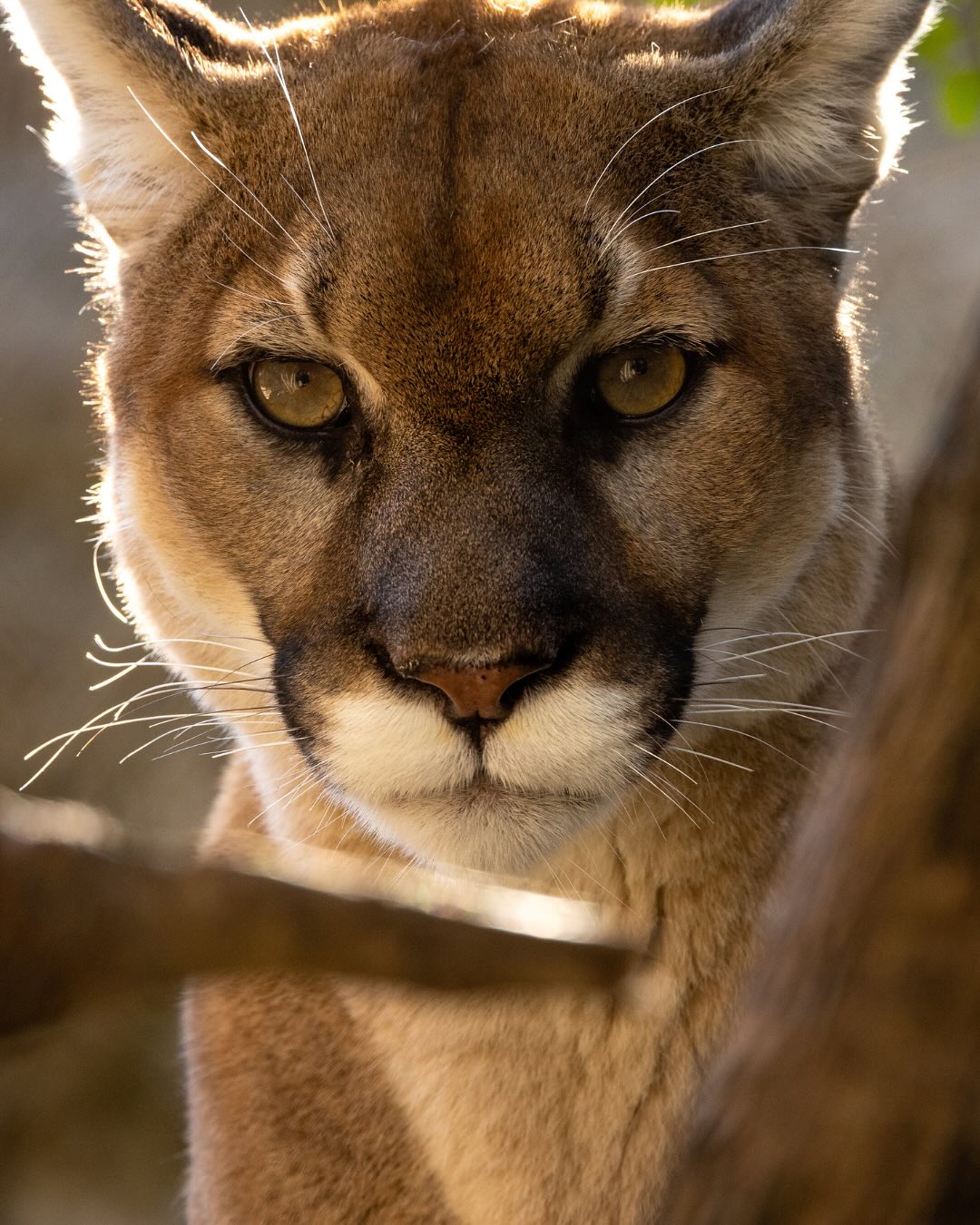
- The ecological importance of both alligators and cougars in their respective habitats.
- The role of zoos in wildlife conservation and species education.
- Insights into the biological and behavioral traits of alligators and cougars.
- The significance of community engagement in wildlife preservation efforts.
- A closer look at the threats faced by these species and conservation initiatives in place.
The ecological significance of both alligators and cougars cannot be overstated. Alligators serve as apex predators in their wetlands ecosystems. As such, they play a critical role in maintaining the population balance of various prey species. This helps regulate the overall health of their habitats. They consume fish, birds, and small mammals, which prevents any single species from becoming overly dominant. Furthermore, alligators create “gator holes” in wetland areas. These depressions fill with water during dry seasons and provide essential resources for many organisms, thus fostering biodiversity.
Cougars, also known as mountain lions or pumas, fulfill a similar function as top predators in their environments. They primarily hunt deer, allowing vegetation to flourish due to reduced grazing pressure. This balance is vital; without cougars, herbivore populations could surge, leading to overgrazing and habitat degradation. Both species exemplify how apex predators are crucial for ecological health. Their presence signifies balanced ecosystems, while their absence can lead to cascading effects throughout their habitats.
Zoos play a pivotal role in wildlife conservation and education. They offer sanctuary for endangered species while conducting research on animal behavior and reproductive biology. For both alligators and cougars, modern zoos provide a controlled yet enriching environment where species can thrive. Zoos are continuously improving their standards of animal care and making strides in providing naturalistic habitats, enabling visitors to appreciate these magnificent creatures.
In addition, zoos serve an educational purpose by raising awareness about wildlife conservation. Educators lead programs that inform the public about the challenges faced by both alligators and cougars in the wild. By engaging families and children, zoos inspire future generations to become stewards of the environment. Signs, exhibits, and interactive programs help tell the story of these animals while reinforcing the importance of preserving their natural environments.
The biological and behavioral traits of alligators and cougars are fascinating and well-adapted to their respective environments. Alligators, for instance, possess powerful jaws equipped with over 70 sharp teeth that are continuously replaced throughout their lives. This adaptation is essential for their predatory lifestyle, allowing them to efficiently capture and consume prey. They also have highly developed sensory organs, enabling them to detect minute vibrations in water, which guides their hunting strategies.
Cougars exhibit remarkable agility and strength, capable of leaping over 20 feet in a single bound. They are solitary animals, preferring to hunt alone, which allows them to conserve energy for stalking and ambushing prey. Their keen sense of hearing and exceptional eyesight also aid in hunting at dawn or dusk—their preferred times to hunt. Cougars mark their territory with scratches and scent markings, helping to communicate with other mountain lions.
Community engagement is vital in wildlife preservation efforts. Initiatives that involve local communities promote coexistence with wildlife and enhance public understanding of conservation needs. Educational programs encourage local populations to participate in monitoring and protecting habitats critical for alligators and cougars. By fostering a culture of respect and responsibility towards nature, communities become active participants in protecting these magnificent animals.
Conservation challenges faced by alligators and cougars are pressing. Habitat loss, driven by urban development and agriculture, significantly threatens their survival. Wetlands, essential for alligators, are frequently drained for development. For cougars, development disrupts migration routes, making it harder for them to find food and establish territories. Furthermore, both species are vulnerable to poaching and illegal hunting, which exacerbates their population decline.
Efforts to protect these species include habitat restoration projects, legal protections against hunting, and initiatives aimed at educating the public about the importance of biodiversity. Conservation organizations work hand-in-hand with local governments to create wildlife corridors that allow animals to safely navigate between fragmented habitats. Zoos also contribute by breeding programs that aim to bolster wild populations.
As the big game approaches, there’s a palpable excitement in the air. The rivalry between the support for the Gators and the Cougs reflects not just a passion for sports, but also a deeper appreciation for wildlife. Each side displays loyalty to their chosen mascot while also highlighting the influence of these majestic animals in our ecosystems. Who will take home the title? This sports contest can spark important conversations about wildlife, habitat conservation, and the responsibilities we hold as stewards of the environment.
As awareness grows, so does the potential for positive change. Increased interest in wildlife conservation leads to funding and resources that are crucial for maintaining the habitats of alligators and cougars. Events like the big game create opportunities to promote awareness, unite communities, and highlight the importance of preserving natural ecosystems. Through these efforts, future generations may enjoy healthy populations of both alligators and cougars in their natural habitats.
Overall, the presence of alligators and cougars in the zoo represents more than mere entertainment. They stand as ambassadors for their species, emphasizing how integrated wildlife is with our everyday lives. As you cheer for your chosen team, remember that the real winners in this fight are the initiatives aimed at preserving their habitats. The lessons learned from the sports world can translate seamlessly into wildlife conservation, making each person aware that they are part of this larger narrative for ecological health and balance.
*****
Source Description
The big game is here! 🏀⛹️♂️With both alligators and cougars that call the Zoo home, we are split. Some are all in for the Gators, others are backing the Coogs … who’s your pick to take home the title?
