
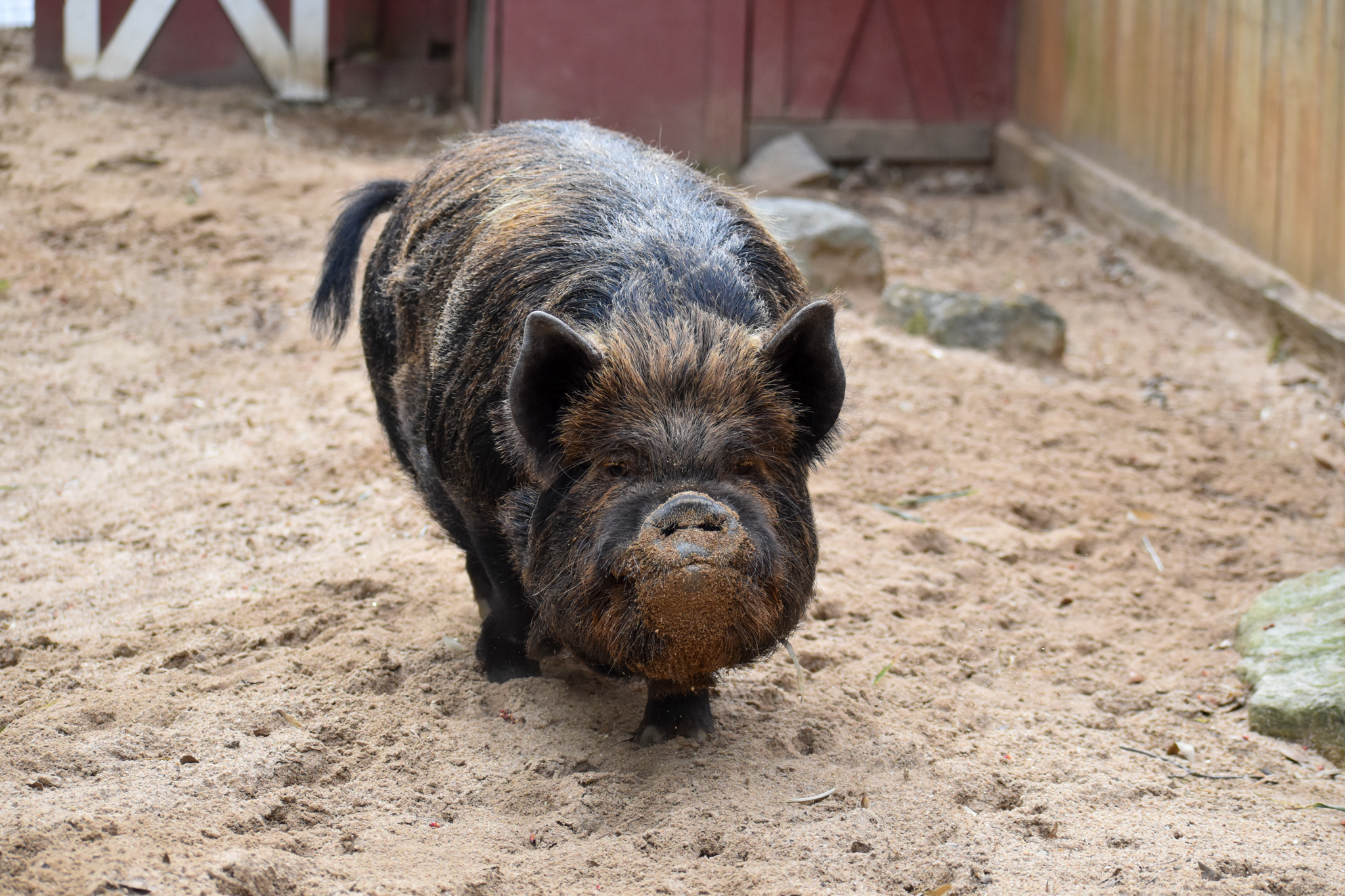
- The fascinating biology and behavioral traits of pigs, including their social structure and cognitive abilities.
- The challenges and strategies involved in zoo management specifically for pigs, considering their unique needs.
- The role of pigs in wildlife conservation and the ethical considerations surrounding their care and preservation.
- Innovations in enriching the environments of captive pigs for their welfare and physical health.
- The global context of pig conservation, considering domestication and habitat destruction.
Pigs are fascinating creatures that continue to captivate both scientists and casual observers due to their intriguing biology and behaviors. Often underestimated, pigs possess complex social structures similar to those seen in many higher mammal species. They form robust communities that influence their day-to-day activities and relationships. Contrary to the common misconception of them being simple animals, pigs demonstrate advanced cognitive abilities, such as problem-solving, emotional recognition, and memory retention. Understanding these aspects sheds light on their adaptive capabilities and highlights the importance of socially rich environments for their well-being.
Zoo management of pigs comes with unique challenges. Due to their intelligence and social nature, pigs require engaging and stimulating environments to thrive. Inadequate or unimaginative management can lead to boredom, stress, and related health issues. Successful zoos implement complex management strategies that provide environmental enrichment through varied physical structures, interactive play objects, and social interaction opportunities to mimic their natural habitats. These interventions not only foster their physical health but also support mental and behavioral health, ensuring the pigs lead fulfilling lives even in captivity.
In the context of wildlife conservation, pigs play a substantial role. They serve as both a species to protect and an ambassador for broader ecological concerns. Ethical considerations emerge in addressing conservation efforts and strategies, where the welfare of the species must align with ecological needs and human interests. Conservation programs often focus on breeding projects aimed at sustaining genetic diversity, public education efforts to raise awareness about their ecological role, and initiatives to protect their natural habitats from destruction.
Modern zoos strive to innovate by creating enriching environments that cater to the physical and mental health needs of pigs. They deploy diverse stimuli, such as complex puzzle feeders, digging opportunities, and scent trails, to engage pig cognitive functions. These enrichments not only break the monotony of captive life but also encourage natural behaviors, which are essential for their psychological well-being. By improving living conditions and supporting natural behavior, zoos contribute to happier and healthier pigs and provide educational insights to visitors.
Globally, pig conservation faces challenges tied to domestication history and the impacts of habitat destruction. Wild pig populations are threatened by the encroachment of human activities, leading to habitat loss and fragmentation. Such environmental pressures necessitate international cooperation to create conservation strategies that transcend national borders. Conservationists aim to balance the needs of domesticated pigs—central to agriculture—with the preservation of wild pig species, ensuring long-term survival and genetic viability. The complexity of these issues highlights the ongoing need for informed conservation practices that stem from scientific research and global collaboration.
Through focused study and application, it becomes clear that pigs have a significant place in zoological management and conservation efforts. Their unique biological and behavioral traits make them compelling subjects and vital participants in the broader narrative of wildlife preservation.
*****
Source Description
Happy 🐷
Bill hopes you have a snout-standing day!
