
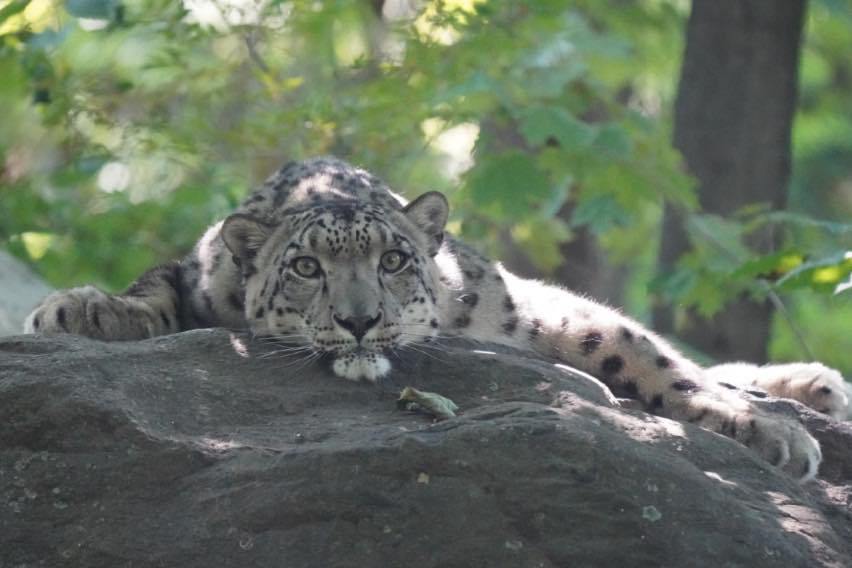
- The significance of Raj’s transition to The Wildcat Sanctuary
- Overview of snow leopard conservation and the importance of breeding programs
- Raj’s unique personality and contributions at Binder Park Zoo
- The role of zoos in wildlife education and species survival
- The impact of animal training on zoo animals and visitor experience
The significance of Raj’s transition to The Wildcat Sanctuary cannot be understated. Raj was a beloved snow leopard at Binder Park Zoo, and his move is part of a larger strategy driven by the Association of Zoos and Aquariums (AZA) Species Survival Plan (SSP) breeding program. This program is designed to promote the genetic diversity and viability of endangered species in captivity. By relocating Raj, Binder Park Zoo creates an opportunity for another male snow leopard to join its collection. This not only allows for potential breeding with Victoria, the remaining female snow leopard, but also enhances the genetic pool of snow leopards in accredited zoos. Raj’s adventure to The Wildcat Sanctuary marks a crucial step in the ongoing effort to manage and conserve snow leopard populations.
Snow leopards (Panthera uncia) are classified as vulnerable by the International Union for Conservation of Nature (IUCN). The world population is declining due to habitat loss, poaching, and conflicts with local communities. The AZA’s SSP for snow leopards plays a vital role in safeguarding this species. By carefully managing breeding practices among zoo populations, the program aims to maintain genetic diversity while also contributing to public education efforts. Snow leopards are often misunderstood, and this breeding program helps elevate awareness about their plight in the wild, hoping to inspire conservation action among zoo guests.
Raj’s personality truly made him a special member of the Binder Park Zoo family. His charm captivated both the zookeepers and guests alike. Raj was characterized by his calm demeanor, often seen lounging or hiding within his habitat, observing the visitors with a watchful eye. His interactions during training sessions made him a great ambassador for his species. Observers frequently noted how engaged he was during health assessments and target training—activities that enhance the animal’s welfare and engage the public. Participants in training sessions learned not just about snow leopards but also about general animal behavior. This educational aspect is vital; it provides context to the animal’s skills while fostering empathy and understanding.
The role of zoos like Binder Park Zoo extends beyond mere exhibition. As modern conservation facilities, they engage in significant educational outreach. By showcasing animals such as Raj, they not only provide entertainment but also communicate essential messages about wildlife preservation. Visitors leave with greater awareness of issues like habitat destruction and the threats posed by climate change. This educational outreach can play a critical role in bolstering local and global conservation efforts, encouraging actions that support wildlife preservation.
Animal training plays a crucial role in enhancing both the welfare of the animals and the experience of their guests. Techniques such as positive reinforcement help animals feel more comfortable in their environments. Raj’s participation in targeted training showcased the effectiveness of these methods. Training builds trust between animals and keepers, allowing for essential health checks and daily care. This aspect of zoo management is often overlooked; however, it significantly contributes to the quality of life for both animals and care staff. By adopting these humane animal training methods, zoos can demonstrate their commitment to ethical standards in animal care.
Raj began his journey at Binder Park Zoo in 2013 but had previously been born at Akron Zoo in 2012. His transition to a new facility is not only a farewell for the zoo team but also a moment for reflection on the lasting impact he made during his time at Binder Park. The charismatic snow leopard’s personality made him a favorite, not just for those who cared for him daily but also for the guests who took the time to observe him. This connection between the animals and the public is essential for the overall mission of zoos. The more visitors understand and connect with these animals, the stronger the chances are for conservation initiatives to gain support.
The future of snow leopards depends on the collaboration between zoos, researchers, and conservationists around the world. As Binder Park Zoo prepares for its new male snow leopard, the hopes are high for a successful breeding partnership with Victoria. Every breeding program undergoes a careful assessment of genetic lineage to avoid inbreeding and to promote healthy populations. These efforts are bolstered by modern genetic research, which offers insights into the best mating pairs for maximizing species resilience.
Engaging with the community offers a vital avenue for conservation efforts. The visitor experience at Binder Park Zoo is enriched by encounters with animals like Raj, who serve as focal points for education and awareness. Educational signage throughout the zoo ensures that guests understand the ecological issues facing snow leopards and other endangered species. These educational tools can ignite conversations about wildlife and spark interest in volunteer opportunities or donations to conservation organizations.
Moreover, the training sessions provide an interactive component that creates memorable experiences for guests. Witnessing Raj actively engaging with his keepers brought an element of excitement to zoo visits. Such demonstrations underline the importance of responsible animal care and encourage visitors to advocate for wildlife. When people see animals thriving and being cared for, it generates an emotional connection that can translate into concrete support for conservation initiatives.
Binder Park Zoo’s commitment to conservation is evident in its thoughtful approach to animal management and public education. Raj’s transition exemplifies the diligent work that goes into maintaining ethical practices within the zoo environment. His move to The Wildcat Sanctuary is both a heart-wrenching goodbye and a celebration of potential new beginnings for species conservation. The zoo community reflects on the impact Raj has made, both as an ambassador and as a beloved member of the family.
While the departure of a cherished animal causes sadness, it also represents the ongoing efforts of animal welfare and conservation. As Binder Park Zoo moves forward with the incorporation of new genetic material into its snow leopard program, the challenges and opportunities presented by these transitions become clear. Raj’s legacy will continue through Victoria and any future offspring, serving as a testament to the importance of managed breeding for the survival of endangered species.
The challenges faced by snow leopards in their natural habitat serve as a reminder of the need for ongoing conservation efforts. Habitat loss is often driven by human activities such as agriculture, mining, and urban development. Additionally, illegal hunting and retaliatory killings exacerbate the struggles of snow leopard populations in the wild. Awareness campaigns are crucial to mitigate these challenges, urging communities around snow leopard ranges to adopt practices that promote coexistence rather than conflict.
Education also plays an essential role in equipping the next generation of wildlife advocates. Zoo-based programs focusing on snow leopards can inspire young minds to pursue careers in conservation, zoology, or wildlife management. Engaging children in hands-on experiences, whether through school field trips or community events, nurtures a sense of stewardship and responsibility for the wildlife that shares our planet.
As Raj embarks on his next adventure, it is the responsibility of zoos like Binder Park Zoo to continue their commitment to conservation, education, and species survival. The transition of animals like Raj forms part of a larger framework dedicated to the protection of vulnerable species. His story, along with the stories of countless other animals, illustrates the profound connection between zoos, communities, and wildlife conservation efforts across the globe.
The bond formed between animals and humans extends beyond the barriers of a zoo exhibit. Behind every engagement is an opportunity for education, empathy, and inspiration. Raj’s journey invites reflection on how we can support animal welfare and conservation, fostering a deeper respect for nature and the remarkable species with which we share our planet.
*****
Source Description
We wanted to share the news that Binder Park Zoo has said goodbye to our beloved snow leopard, Raj as he has moved onto his next adventure to another facility, The Wildcat Sanctuary. This transition will allow Binder Park Zoo to bring in a new male that was recommended by AZA Species Survival Plan (SSP) breeding program giving Victoria, our other snow leopard, the opportunity to breed and contribute to the future of her species.
Raj was truly a special member of the BPZ family and will be deeply missed by keepers and guests alike. A keeper favorite and a guest favorite, Raj was incredibly engaged in his own healthcare—participating in training sessions such as target training and health assessments. Many of you likely caught one of these training moments during your visits.
Raj’s favorite treat was chicken and he was often found hiding in his habitat, quietly observing guests from his rock. His calm, chill personality made him a joy to work with and allowed him to quickly capture the hearts of everyone he met.
Born to Shanti at the Akron Zoo in 2012, Raj arrived at Binder Park Zoo in 2013 and has left a lasting paw print on our hearts. While this goodbye is not easy, we know Raj is headed to a wonderful next chapter and will be living his best life in his new home.
Thank you for loving Raj as much as we do. 💙
