
- The alarming decline of global wildlife population over the last 50 years and its implications.
- The impact of coral reef bleaching on marine ecosystems and biodiversity.
- The critical status of endangered species at the Essex County Turtle Back Zoo.
- The role of accredited zoos and aquariums in global conservation efforts.
- The importance of collective action in preserving biodiversity and combating climate change.
The ongoing biodiversity crisis is one of the most pressing issues facing our planet, characterized by a staggering average decline of wildlife populations by 73% over the past 50 years, from 1970 to 2020. This significant drop does not merely signify a numerical change; it reflects a severe disruption in ecosystems that can trigger cascading effects throughout the food web. Biodiversity is crucial for ecosystem stability, resilience to environmental changes, and overall planetary health. As a result, this decline poses an urgent threat to human well-being as well, given our dependence on biodiversity for food, clean air, and water.
Nowhere is this crisis more visible than in the world’s coral reefs. Coral bleaching has emerged as a significant alarm signal, highlighting the stress faced by marine ecosystems. When corals encounter adverse conditions, such as rising ocean temperatures, they expel the symbiotic zooxanthellae, the small algae that inhabit their tissues and are integral to their survival. These algae not only furnish the corals with essential nutrients through photosynthesis, but they also provide the vibrant colors that characterize healthy coral reefs. The loss of zooxanthellae leads to a stark whitening of the corals, hence the term “bleaching.” Bleached corals are vulnerable to starvation, disease, and ultimately death, which initiates a domino effect that can lead to the collapse of entire reef ecosystems.
Currently, over 80% of the world’s coral reefs have experienced bleaching, and without immediate and concerted action, we face the grim prospect of corals going functionally extinct by 2050. The extinction of corals would result in a catastrophic loss of habitat for myriad marine species that rely on these ecosystems for survival. These reefs serve not only as a home for various organisms but also provide vital ecosystem services, including coastal protection and tourism revenue.
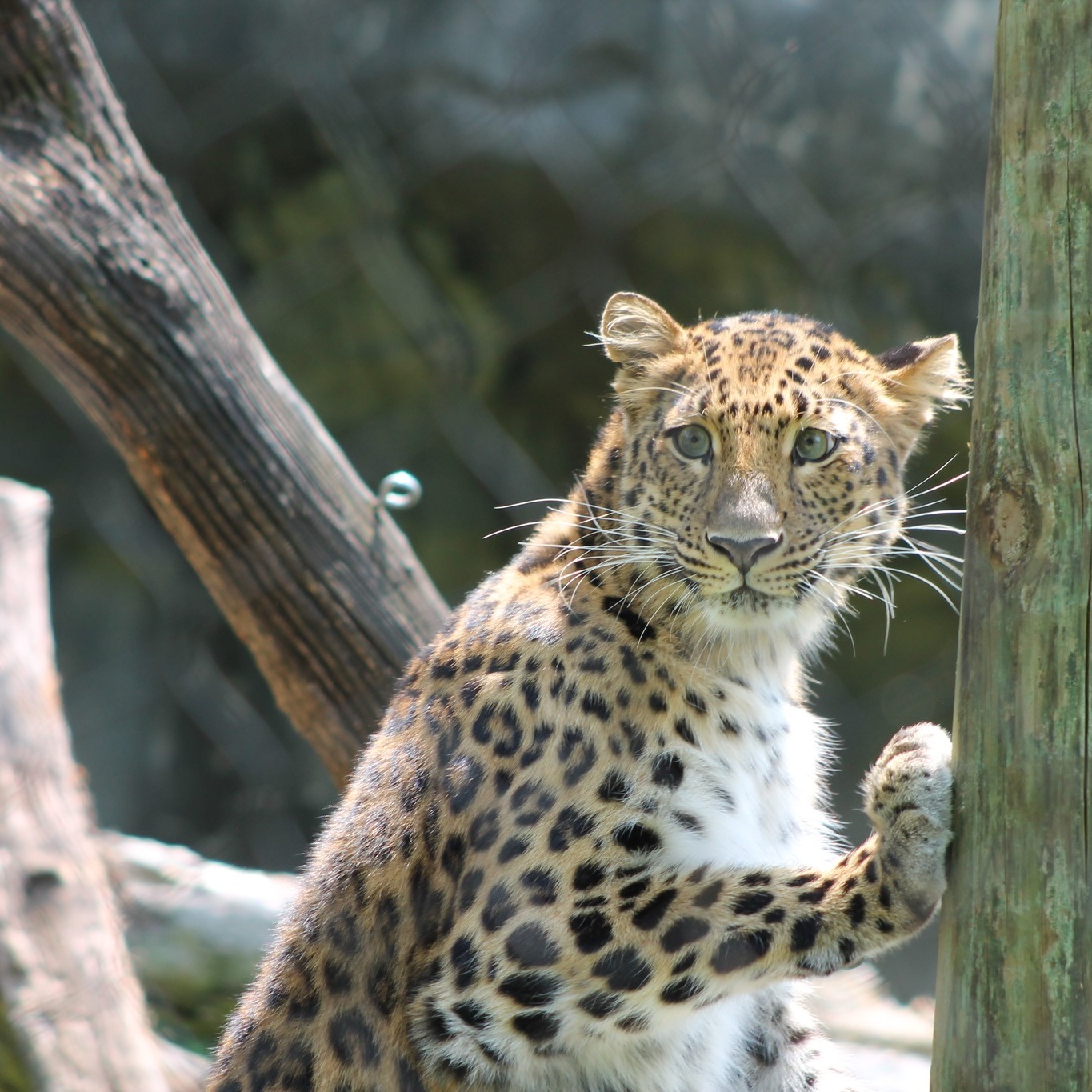
On Remembrance Day for Lost Species, it is crucial to highlight the plight of critically endangered species. The Essex County Turtle Back Zoo is home to several species that are on the brink of extinction, and their fate remains precarious. Among them are the Amur leopard, African penguin, Eastern bongo, Northern white-cheeked gibbon, pancake tortoise, Rote Island snake-necked turtle, and Vietnamese pond turtle. Each of these species is severely threatened by habitat loss, illegal hunting, and climate change. The Amur leopard, for instance, is one of the world’s rarest big cats, with a population of fewer than 100 individuals remaining in the wild. Conservation efforts are underway to protect their dwindling habitat and implement breeding programs to bolster their numbers.
The African penguin, a species that was once plentiful along the coast of South Africa, now faces the potential of extinction due to shifting marine conditions and human impact. Similarly, the Eastern bongo, a striking antelope native to the forests of East Africa, is grappling with habitat destruction and poaching. Each species represents a piece of the complex puzzle of biodiversity and highlights the importance of dedicated efforts toward conservation.
Accredited zoos and aquariums play a pivotal role in combating the biodiversity crisis. Organizations like the Association of Zoos and Aquariums (AZA) are involved in various aspects of conservation, from breeding programs to habitat restoration initiatives. These efforts extend beyond the confines of enclosures, as they often collaborate with global partners to support species recovery in their natural habitats. Educational programs within these facilities promote awareness of biodiversity issues, fostering a greater connection between visitors and the animals they encounter. This engagement is essential in motivating the public to take an active role in conservation efforts.
The challenges facing biodiversity are daunting and require collective action across various sectors. Policymakers, scientists, and the public must work in unison to address the myriad threats to species and ecosystems. This includes enacting stricter regulations on habitat destruction, investing in renewable energy sources to combat climate change, and promoting sustainable practices in agriculture and fishing. Every small action can contribute to broader goals. By advocating for responsible consumer choices or participating in local conservation projects, individuals can help forge a better future for our planet’s diverse species.
Moreover, education and awareness are fundamental in driving change regarding the biodiversity crisis. Seasonal events, such as Remembrance Day for Lost Species, serve as vital opportunities to highlight species at risk and mobilize community engagement. Visits to facilities like the Essex County Turtle Back Zoo can inspire individuals to understand and advocate for the survival of critically endangered species.
The biodiversity crisis cannot be ignored; immediate global action is essential. The future of wildlife—both terrestrial and marine—hinges on our understanding of its importance and our commitment to safeguarding it. By recognizing the interconnectedness of life on Earth and the role that each species plays within its ecosystem, we can work toward a more sustainable future.
In summary, the alarming decline of wildlife populations indicates a severe crisis that requires urgent attention. The impact of coral bleaching exemplifies how environmental changes can affect broader ecosystems and cascade through various species. With critically endangered species at risk, such as those housed at the Essex County Turtle Back Zoo, dedicated conservation efforts must be prioritized. Accredited zoos and aquariums play a significant role in fostering awareness and providing resources for global conservation initiatives. Addressing the biodiversity crisis is not only about saving animals; it is about preserving the intricate web of life that sustains our planet. Through collective efforts and a commitment to responsible stewardship, we can champion the cause of biodiversity and safeguard our shared environment for generations to come.
*****
Source Description
We are in a biodiversity crisis. The average decline of wildlife populations in the past 50 years (1970-2020) was 73%. One of the most noticeable effects is coral reef bleaching, which is where corals get stressed by factors such as warming ocean temperatures, and expel the symbiotic zooxanthellae (algae) that provide them with color and food. Without the zooxanthellae, the corals are vulnerable to starvation and disease. The term “bleaching” comes from the fact that the zooxanthellae also are what give the corals color, so corals turn white once the algae is gone. More than 80% of reefs in over half the world have been bleached and without immediate action will likely lead to corals being functionally extinct by 2050. The death of corals is the beginning of a domino effect, leading to the collapse of the entire reef ecosystem, which provides critical habitat for other marine life.
On Remembrance Day for Lost Species, we want to note a few species at Essex County Turtle Back Zoo that are all critically endangered and also may go extinct in our lifetime.
✨Amur Leopards – African Penguins – Eastern Bongos – Northern White-Cheeked Gibbons – Pancake Tortoises – Rote Island Snake-Necked Turtles – Vietnamese Pond Turtles✨
AZA Zoos do what we can to conserve species both in their natural habitats and in zoos and aquariums around the world, but there must be a global effort to help all species and our climate. The next time you come to the zoo, spend an extra few minutes with our critically endangered species. We hope that none of these species will join the ones that are to be remembered on this day.
