
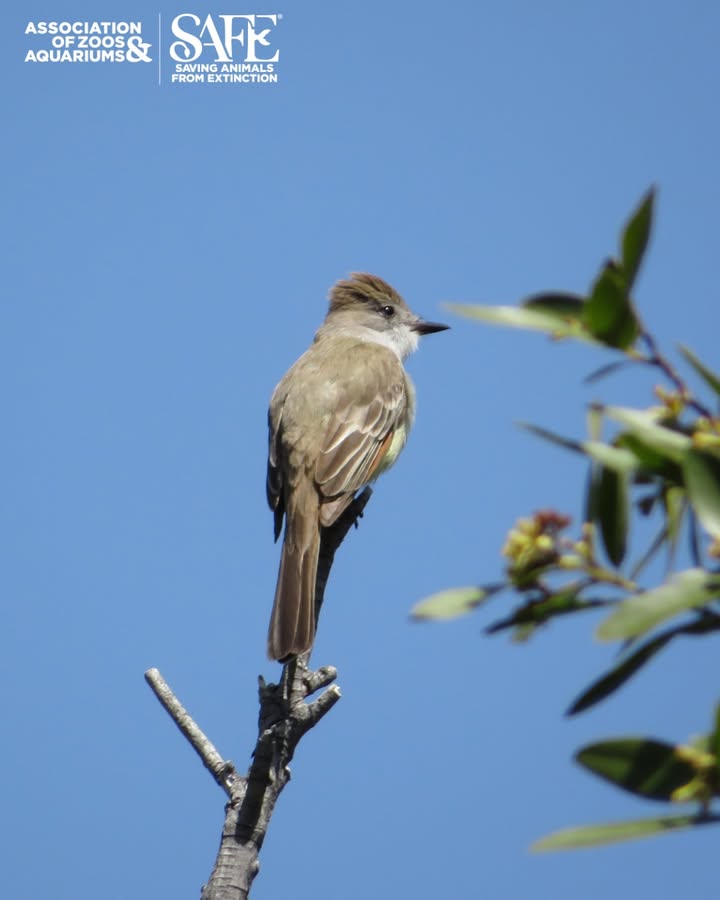
- Biodiversity as the foundation of life and its critical roles.
- The significance of native plants in ecosystem health.
- The impact of programs like SAFE North American Songbirds and American Monarch on conservation efforts.
- Ways individuals and communities can contribute to biodiversity preservation.
- The relationship between biodiversity loss and human well-being.
Biodiversity is the foundation of all life on Earth. This term encompasses the variety of life forms, the genetic differences among them, and the ecosystems they inhabit. Each organism plays a critical role in maintaining the health of our planet. Biodiversity provides food and medicine, supports clean air and water, and offers protection from natural disasters. Furthermore, it serves as a wellspring of cultural inspiration, influencing art, folklore, and community identity. The loss of biodiversity can result in significant ramifications not only for the environment but also for human health and well-being.
The importance of native plants in preserving biodiversity cannot be overstated. Native species are those that naturally occur in a specific region and have adapted to the local climate, soil, and conditions. These plants serve as the backbone of local ecosystems. They provide food and shelter for a range of wildlife, including pollinators, birds, and mammals. Insects like bees and butterflies rely on native plants for nectar and pollen, while birds may depend on them for seeds or nesting materials. Additionally, native plants are generally more resilient to local pests and diseases, reducing the need for chemical interventions.
One effective approach to biodiversity conservation is demonstrated by programs such as SAFE North American Songbirds and American Monarch. These initiatives unite zoos, aquariums, and communities to restore habitats and promote sustainable practices. Songbirds and monarch butterflies often serve as indicators of ecosystem health. Their populations can reflect changes in environmental vitality. By creating and maintaining healthy, connected ecosystems, these programs foster the right conditions for these species to thrive.
Community engagement is crucial in biodiversity conservation. Individuals can actively contribute by planting native species in their yards, supporting local habitat-friendly policies, and spreading awareness about the importance of biodiversity. Initiatives like making windows less hazardous for birds or turning off lights during migration seasons can have significant impacts. Every native plant seeded or window treated supports broader efforts to protect pollinators, songbirds, and their respective habitats.
The relationship between biodiversity loss and human health is a growing area of concern in scientific research. Diverse ecosystems contribute to mental and physical well-being. Access to green spaces has been linked to reduced stress and enhanced mental health. Polluting activities or habitat destruction can lead to loss of biodiversity, which in turn can affect air and water quality, leading to health issues for humans. Taking action now to preserve biodiversity will not only safeguard wildlife but also protect our own health.
Integrating biodiversity awareness into everyday practices is imperative. By prioritizing local ecological knowledge and emphasizing native species, we can establish healthier environments. Educational workshops and community gatherings can serve as platforms for sharing information about biodiversity’s critical role in ecosystem functions. Encouraging schools to include biodiversity in their curricula can foster a generation of environmentally conscious individuals.
A multi-faceted approach towards biodiversity conservation is essential. This includes enhancing existing green spaces, restoring degraded habitats, and safeguarding endangered species through various legal protections. Collaborations among individuals, communities, and government entities can result in meaningful change. Large-scale projects addressing habitat connectivity can mitigate the physical barriers species face, ultimately allowing for genetic exchange and improving resilience against environmental changes.
The interconnectedness of all living organisms highlights the urgency of biodiversity conservation. Each species contributes to a complex web of life. The loss of one can have a cascading effect on others, affecting entire food chains and ecosystems. Awareness and action must be prioritized to prevent significant species loss and habitat degradation.
The holistic approach to conservation espoused by programs such as SAFE North American Songbirds and American Monarch is emblematic of successful strategies. These programs not only focus on individual species but strive to create conditions where entire ecosystems can thrive. Engaging communities in these efforts enhances awareness and builds a culture of stewardship.
Education serves as a cornerstone in these initiatives. Informative campaigns that outline the importance of biodiversity help garner support for environmental policies. Schools and local organizations can host events such as "BioBlitz" challenges, where community members collaborate to document and celebrate local biodiversity. These activities foster connections among participants and deepen their appreciation for nature.
Regenerative practices that focus on soil health, water conservation, and habitat restoration are pivotal. Sustainable agriculture can integrate biodiversity-friendly practices, such as crop rotation, agroforestry, and organic farming. These practices not only enhance ecosystem resilience but can also provide economic opportunities for communities. Local farmers’ markets, which prioritize native and organic produce, reflect a growing trend toward sustainability.
Tourism that emphasizes biodiversity can be a powerful force for conservation. Eco-tourism focuses on sustainable practices that respect natural habitats while providing economic benefits to local communities. Responsible travel that fosters appreciation for wildlife and wild places encourages the preservation of biodiversity.
Technology also plays a valuable role in biodiversity conservation. Mobile apps that help identify native plants and animals can raise public awareness and support monitoring efforts. Drones can help survey landscapes and assess habitat health, providing timely data for conservation strategies. Citizen science initiatives offer abundant opportunities for individuals to engage meaningfully with biodiversity research.
Legal frameworks also need to adapt to the complexities of biodiversity loss. Environmental regulations must be robust and effective, safeguarding critical habitats and regulating human activities that pose risks to ecosystems. Engaging policymakers in discussions about biodiversity can lead to stronger protections and enhanced funding for conservation programs.
Community-driven initiatives can capitalize on local knowledge and vested interests in preserving biodiversity. These programs can develop tailored solutions that address specific local needs and challenges. Encouraging cooperation among disparate groups can amplify efforts and foster collective responsibility for the environment.
Securing funding for biodiversity projects remains a significant challenge. Increased support can come from various sectors, including government, private foundations, and corporate sponsors committed to sustainable practices. Grants aimed at community conservation can empower local groups to undertake meaningful biodiversity initiatives.
The importance of advocacy cannot be overstated. Everyday actions, combined with collective advocacy, contribute to a broader movement toward biodiversity preservation. Every voice counts when promoting policies aimed at protecting ecosystems and their inhabitants. Engaging with local leaders and initiating dialogues about biodiversity can create a ripple effect that inspires action at various levels.
Taking responsibility for biodiversity conservation starts with each individual’s actions, however small they may seem. Committing to planting native species in personal gardens or advocating for reduced pesticide use can lead to significant change over time. Individual choices shape communal values and contribute to a larger culture of environmental stewardship.
The efforts of widespread community engagement, combined with education, advocacy, and responsible practices, create a lasting impact on biodiversity preservation. Protecting ecosystems reflects a commitment to safeguarding not only our planet but also our own health and well-being. The interconnectedness of all life on Earth reinforces the necessity of maintaining biodiversity for future generations.
*****
Source Description
Biodiversity is the foundation of all life on Earth. It provides food, medicine, clean air and water, protection from natural disasters, and cultural inspiration. A healthy planet—and our own well-being—depends on it.
This International Day for Biodiversity, celebrate with the SAFE North American Songbirds and American Monarch programs! These programs connect zoos, aquariums, and communities to restore habitats and promote sustainable living. From migratory flyways to blooming meadows, songbirds and monarchs rely on healthy, connected ecosystems.
Each native plant seeded, window treated, or light turned out, supports this mission. When we protect pollinators, songbirds, and their habitats, we protect wildlife and wild places.
You can help! Plant native species, support habitat-friendly policies, and share the importance of biodiversity in your community.
👉 Swipe to explore and discover the biodiversity in our own backyards!
