
- The significance of birds in ecosystems and their roles as bioindicators.
- The diverse habitats that birds occupy and the challenges they face.
- Bird conservation efforts and the role of zoos in protecting avian species.
- The impact of human activities on bird populations and their habitats.
- The importance of public engagement in bird conservation through zoos and community involvement.
Birds play crucial roles in ecosystems around the world. These winged creatures are not only beautiful to observe but serve as essential bioindicators, reflecting the health of their environments. They contribute to biodiversity, pollination, seed dispersal, and pest control. Their presence often signals important ecological changes, making them significant players in managing various ecosystems. For example, the decline in bird populations can indicate habitat degradation, climate change, or the encroachment of invasive species. In essence, studying bird populations allows scientists and conservationists to assess the overall health of ecosystems.
Birds inhabit a wide range of environments—from lush rainforests and arid deserts to wetlands and urban areas. Each habitat presents specific challenges that directly impact bird populations. Coastal birds, for instance, rely on clean beaches and healthy ocean ecosystems, while forest-dwelling species depend on mature trees for nesting and food. Climate change poses a looming threat as it alters migratory patterns and food availability. Additionally, habitat destruction due to urban development and agriculture significantly reduces living spaces for many avian species. Understanding the relationship between birds and their habitats can provide valuable insights into what conservation measures are needed.
Zoos and wildlife reserves play pivotal roles in bird conservation. These institutions work diligently to protect endangered species through captive breeding, rehabilitation, and reintroduction programs. For instance, the California condor, once on the brink of extinction, has benefited from extensive conservation efforts in various zoos. Not only do these facilities house and protect vulnerable species, but they also contribute to research that informs conservation strategies. Public education is another critical function of zoos. By teaching visitors about the importance of bird conservation and what they can do to help, zoos foster an environment where the community actively participates in these efforts.
Human activities have a profound impact on bird populations, leading to dramatic declines in many species. Urbanization fragments habitats, making it difficult for birds to find food and shelter. Pesticide use can drastically reduce insect populations, which are vital food sources for many birds. Furthermore, climate change continues to reshape the biodiversity landscape, often leaving species to struggle for survival. Recognizing that human actions significantly affect birds prompts a deeper understanding of our responsibilities in conservation and species preservation.
Public engagement plays a critical role in bird conservation. Zoos can serve as both educational centers and conservation hubs, where people can learn about the species native to their areas and the broader implications of their existence. Initiatives such as birdwatching programs, citizen science projects, and community workshops encourage individuals to get involved. By highlighting personal responsibility in conservation, zoos can inspire a new generation of environmental stewards. Shared experiences, like the ones captured in photos sent by zoo guests, reflect the connection humans have with birds, reinforcing the importance of protecting these remarkable creatures.
Birds are essential components of our ecosystems. Their ability to serve as bioindicators sheds light on the health of our natural environments. The diverse habitats they occupy and the challenges they face—from habitat loss to climate change—underline the urgent need for targeted conservation efforts. Zoos play a critical role in protecting avian species while educating the public about their importance. Furthermore, engaging the community in conservation initiatives can strengthen these efforts, fostering a greater appreciation and understanding of the avian world. By addressing the relationship between humans and birds, we can better navigate the complexities of conservation, ensuring the survival of this magnificent and vital group of animals.
*****
Source Description
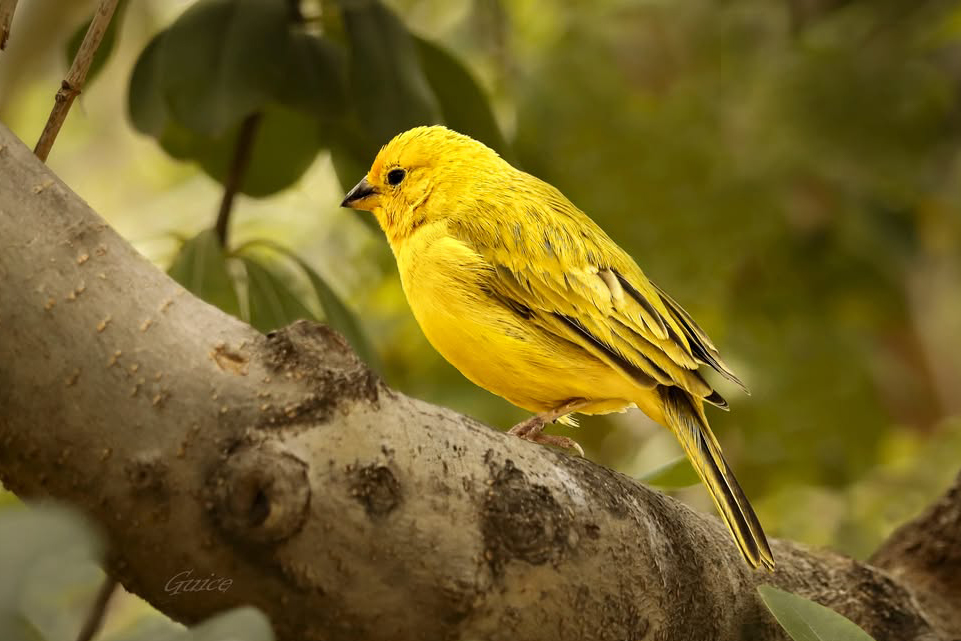
Bird is the word in this These lovely photos were sent in by Zoo Guest Steve Guice. If you have some special moments from your visit to the Zoo, send them to us through a Direct Message.
