
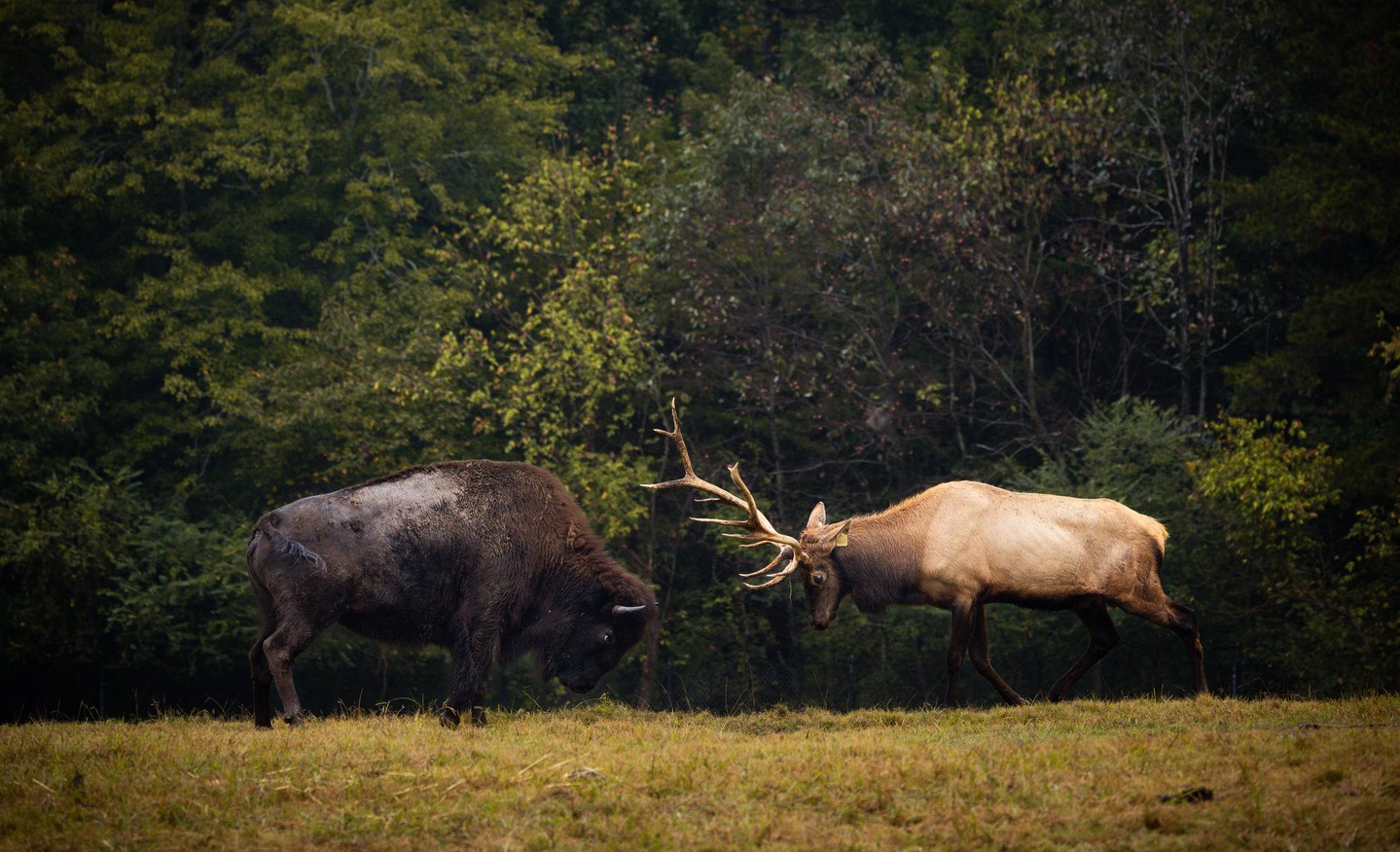
- Understanding the interaction between bison and elk in a natural habitat
- The role of the North Carolina Zoo in wildlife conservation
- Insights into the bison and elk species
- The importance of authentic wildlife observation in zoos
- The impact of social media on wildlife perceptions
The playful interaction captured in our recent viral video featuring Tommy, our bull elk, and a female bison is a remarkable showcase of wildlife behavior. This footage highlights the natural dynamics present in shared habitats. Unlike the sensational claims of artificial intelligence fabrication, this spontaneous moment was a genuine expression of animal interaction. Zoo-goers and online followers alike were treated to an authentic display of sparring, not a serious confrontation, between these two species.
Understanding how bison and elk interact is crucial in appreciating their respective roles in their ecosystems. In the wild, these animals often share similar habitats, particularly in areas characterized by grasslands and prairies. Their relationship is generally harmonious, with both species adapting to coexist in their natural environment. At the North Carolina Zoo, we replicate these conditions to foster authentic interactions and promote natural behaviors. When observing these animals, it becomes clear that they are accustomed to each other’s presence, allowing for playful engagements like the one shown in the video.
The North Carolina Zoo holds the title of the largest natural habitat zoo in the world, covering over 2,800 acres. This expansive area is designed with a focus on what is best for the animals. Our mission extends beyond mere exhibition; we emphasize wildlife conservation and education. The zoo is home to more than 1,700 animals, many of which are in well-maintained, species-appropriate environments. The habitat design reflects the ecological principles that support various species, thereby enriching their lives while educating the public.
Tommy, our bull elk, plays a significant role in engaging visitors and contributing to education on prairie ecosystems. Although Tommy is on the smaller side for a bull elk, he is an important representative of his species. Adult bull elk typically weigh between 600 to 1,100 pounds, depending on their age and nutritional status. Despite Tommy’s smaller stature, he exhibits characteristic behaviors of his species, including sparring and playful encounters. These activities are not just for show; they serve essential functions in socialization and establishing dominance.
The bison species we observe are predominantly female and many are still juvenile, further contributing to the variance in size compared to adult males. A full-grown bison can weigh between 1,000 to 2,000 pounds, with females being smaller, typically around 800 to 1,200 pounds. This size discrepancy shapes their interactions. Young, smaller bison may exhibit playful behaviors, leading to encounters that appear amusing but are naturally part of their developmental process.
Another critical aspect of the North Carolina Zoo’s mission is to promote wildlife conservation. Through educational programs, we inform the public about the importance of protecting both local and global wildlife. Bison and elk have historically been integral to their ecosystems, contributing to biodiversity. Their grazing habits help maintain healthy prairie landscapes, which in turn support various other species.
Wildlife preservation extends beyond species endurance. It involves habitat protection, ecological research, and community education. By fostering a connection between visitors and the animals, institutions like ours aim to inspire advocacy for conservation efforts. Visitors leave with a better understanding of the importance of sustaining these species and their habitats.
The authenticity of the animal interactions at the zoo is of utmost importance. The video featuring Tommy and the female bison exemplifies our commitment to showcasing genuine wildlife behavior. Each animal in our care is observed for training and welfare purposes, emphasizing the importance of keeping non-invasive practices. We do not fabricate or manipulate wildlife videos; maintaining the integrity of animal behavior is paramount. We encourage visitors to experience these interactions and witness for themselves how animals behave in a natural setting.
Social media serves as a significant platform for sharing these interactions, but it also opens the door to misconceptions. Claims that our videos are generated by artificial intelligence reflect a misunderstanding of wildlife observation and interaction. While digital technology plays a role in documenting these moments, the captured behavior is entirely real. The internet has amplified the visibility of such instances, bringing attention to the very animals that rely on public support for their conservation.
Animals like bison and elk embody the spirit of prairie ecosystems. They have adapted to thrive in environments characterized by limited resources, often forming symbiotic relationships with their surroundings. Grazing helps sustain the grasslands, and their movements distribute seeds throughout the area, facilitating plant growth.
Moreover, the interaction between bison and elk, as seen in the video, provides valuable insights into animal behavior. What may appear as play could serve other purposes, such as teaching younger animals essential skills for future survival or reinforcing social bonds within groups. These moments of sparring encourage physical development and can even stimulate reproductive behaviors when the animals reach maturity.
Our zoo team commits to accurately portraying these relationships while highlighting the importance of scientific research in animal behavior. Data collection and observation help further our understanding of these species, providing invaluable insights into how they interact in both captivity and the wild. This knowledge is a cornerstone of conservation science.
Frequently, discussions arise regarding the role of technology in wildlife documentation. It is essential to acknowledge that while social media amplifies the reach of our videos, the candid moments shared are entirely authentic. These interactions not only entertain but also teach important lessons about animal behavior and pair relationships. Highlighting genuine interactions allows the public to witness creatures in their natural states, nurturing appreciation for wildlife in all its forms.
When enthusiasts share our videos, they connect with a broader community interested in animal welfare and conservation. Each share contributes to raising awareness about issues affecting these species, including habitat loss and climate change. As followers engage with our content, they further the conversation about animal welfare, extending beyond the video and into actionable advocacy for wildlife conservation.
Visiting the North Carolina Zoo offers an invaluable opportunity to witness these species firsthand. Observing the interactions between bison and elk allows for deeper discussions about their ecological significance and the realities facing wildlife today. By engaging directly with animals like Tommy and the bison, visitors can appreciate their role in preserving natural ecosystems.
Through our educational efforts, we aim to instill a sense of responsibility in our visitors. Understanding the challenges animals face in the wild fosters advocacy and inspires support for conservation initiatives. Each animal encounter can serve as a call to action, highlighting the importance of biodiversity conservation and the interconnectedness of ecosystems.
The playful antics of Tommy and the female bison represent more than a simple viral moment; they exemplify the natural behaviors that capture our attention and promote wildlife appreciation. The North Carolina Zoo remains steadfast in its commitment to wildlife education and conservation, encouraging individuals to contribute positively to the environment.
We remain thrilled to welcome new followers and encourage everyone to engage with our content. Your support is vital for fostering awareness of the challenges animals face and promoting conservation efforts. We invite you to visit, explore, and participate in the ongoing conversation about wildlife, sustainability, and the importance of preserving our planet’s rich biodiversity.
*****
Source Description
So…our recent video of a female bison and our bull elk, Tommy, goofing off on the Prairie habitat went viral. And naturally, the internet did its thing: cue the “this is AI” accusations. So, we wanted to clear the air…
First off, welcome to all our new followers! 👋 We’re the North Carolina Zoo, located in Asheboro, NC. More importantly, we are the largest natural habitat zoo in the WORLD with over 2,800 acres!
We’re home to over 1,700 animals, and just to be perfectly clear… we do not use AI to fake animal videos! We have no reason nor want to create fake videos.
Now, about THAT video. Our social media team was just in the right place at the right time with one person filming, another snapping pics (you can even hear the camera shutter in the background if you listen closely). The result? A playful little face-off between two species that live together in the same habitat.
About Tommy, our bull elk. He’s a decent size, but is actually on the smaller side for a bull elk. And the bison? All female, many still juvenile, which means they’re naturally smaller than the big ol’ male bison you might be imagining. So yes, the size difference is real.
Our bison and elk share the Prairie habitat year-round, just like they would in the wild. They’re familiar with each other, and what you saw was sparring, not serious fighting.
If you still don’t believe us, visit the Zoo and come see for yourself!
