
- American bison’s adaptations to winter conditions
- Behavioral patterns during snowstorms
- The bison food foraging techniques in snow
- Importance of weather resilience in bison conservation
- The ecosystem role of bison in winter landscapes
American bison are remarkable creatures with several adaptations that allow them to thrive during challenging winter conditions. These adaptations have enabled them to not just endure, but excel in environments where many other animals struggle to survive. Thick, wooly coats insulate them against frigid temperatures, while large bodies and powerful shoulders enable effective movement through deep snow. As winter storms sweep across their habitats, bison have developed behavioral patterns that help them navigate severe conditions.
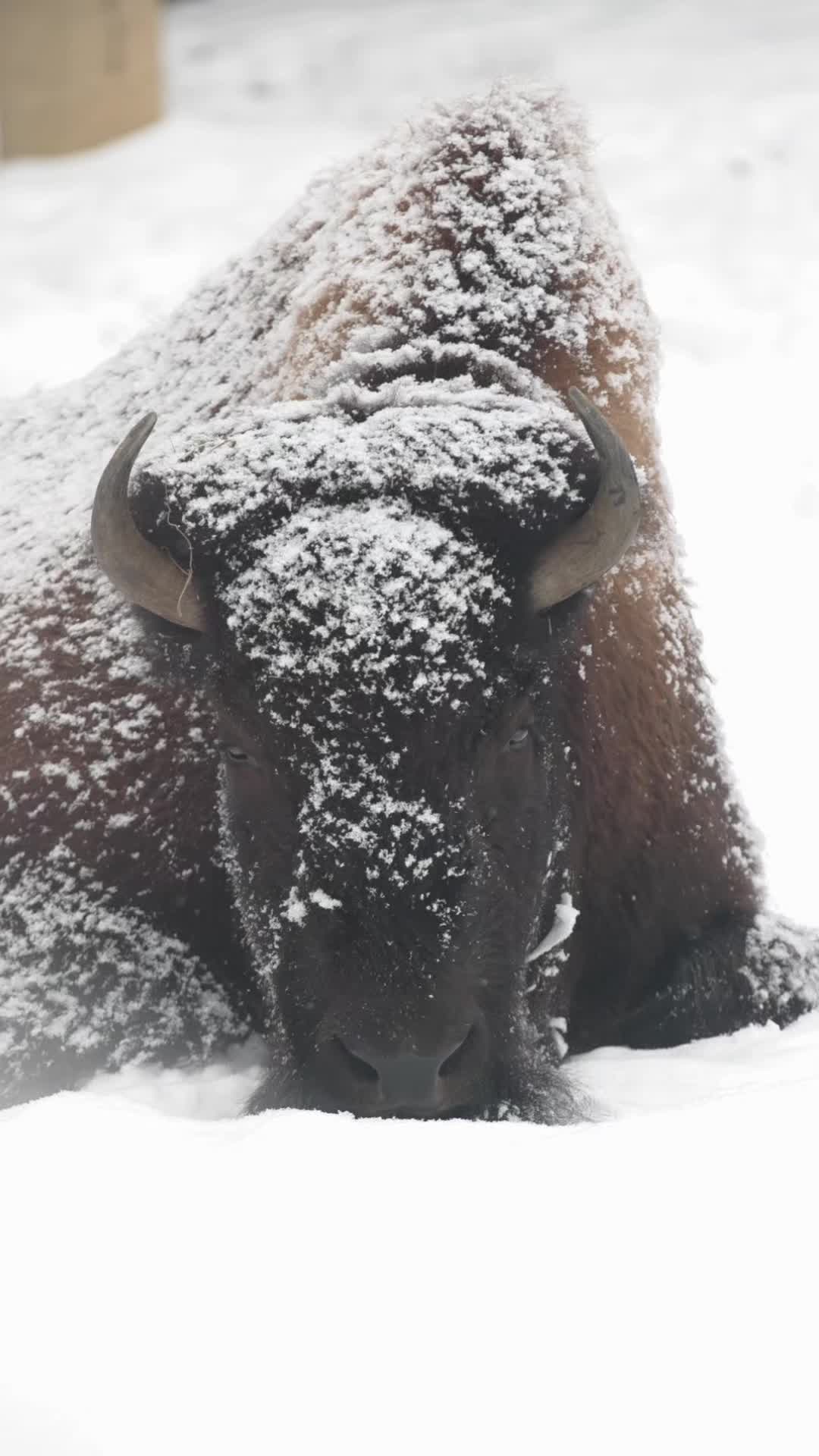
One of the most fascinating attributes of the American bison is its hair coat. This coat is intricately layered with a woolly undercoat that provides insulation, keeping the bison warm even when external temperatures plummet. In fact, the bison’s fur can be so insulating that snow may collect on its back without melting due to the heat emanating from its body. This adaptation is crucial as it reduces the energy demands of these massive animals during harsh winters.
When snow blankets the landscape, bison approach foraging differently than many other species. Rather than seeking shelter, they often remain out in the elements, utilizing their muscular heads and robust bodies to plow through snowdrifts in search of food. Their wide, flat noses can efficiently uncover grasses and other vegetation buried beneath thick layers of snow. This ability to forage effectively not only sustains them but also plays a critical role in shaping their ecosystem.
Behaviorally, bison exhibit specific patterns during snowstorms that reflect their adaptability. When faced with strong winds and heavy snowfall, they often choose to face into the storm rather than turn away. This positioning allows them to minimize the impact of the wind on their bodies and enhances their ability to forage. In addition, they may gather in groups for mutual protection and warmth, showcasing a social aspect to their survival techniques.
Winter resilience is not just essential for individual bison; it is crucial for the conservation of the species as a whole. With climate change posing new challenges to habitats and food availability, understanding the bison’s behavior in winter is vital. Conservation efforts can be better informed by studying these adaptations, helping to maintain populations in the wild. Preserving their habitats ensures that bison continue to thrive even during harsh conditions.
Furthermore, the role of bison transcends their own survival; they play a vital ecosystem role. As large grazers, they influence the vegetation structure of their surroundings. Their feeding habits help maintain grasslands, promoting biodiversity and contributing to soil health. Therefore, when observing how these animals cope with snow and winter, it’s clear they are integral to maintaining thriving ecosystems in cold seasons.
In conclusion, American bison exemplify the wonders of adaptability. Their remarkable winter strategies—from robust physical features to unique behavioral traits—emphasize not only their survival skills but also highlight the need for effective conservation strategies aimed at preserving these majestic animals and their habitats. Their experiences during snow days are a testimony to their resilience and the vital role they play in their ecosystems. By gaining a comprehensive understanding of these animals and their interactions with winter conditions, we can foster a deeper appreciation for their existence and the environments they inhabit.
*****
Source Description
Snow days with our bison ❄️🦬
American bison are built to not just withstand tough winter conditions, but thrive in them.
When winter storms roll through, bison are known to lay down and face the snow and wind rather than turning away. A thick, wooly coat keeps them insulated, while their large heads and strong shoulders are used to plow through deep snow to forage and navigate.
It is believed that a bison’s coat can be so thick, that accumulating snow on the animal will not melt from internal body heat.
