
- Understanding the behavior and playfulness of black bears in captivity
- The role of enrichment in enhancing the welfare of rescued black bears
- The scientific basis of using water for animal enrichment
- The importance of sanctuary environments in zoo management and wildlife conservation
- Conservation efforts and education regarding the protection of black bears
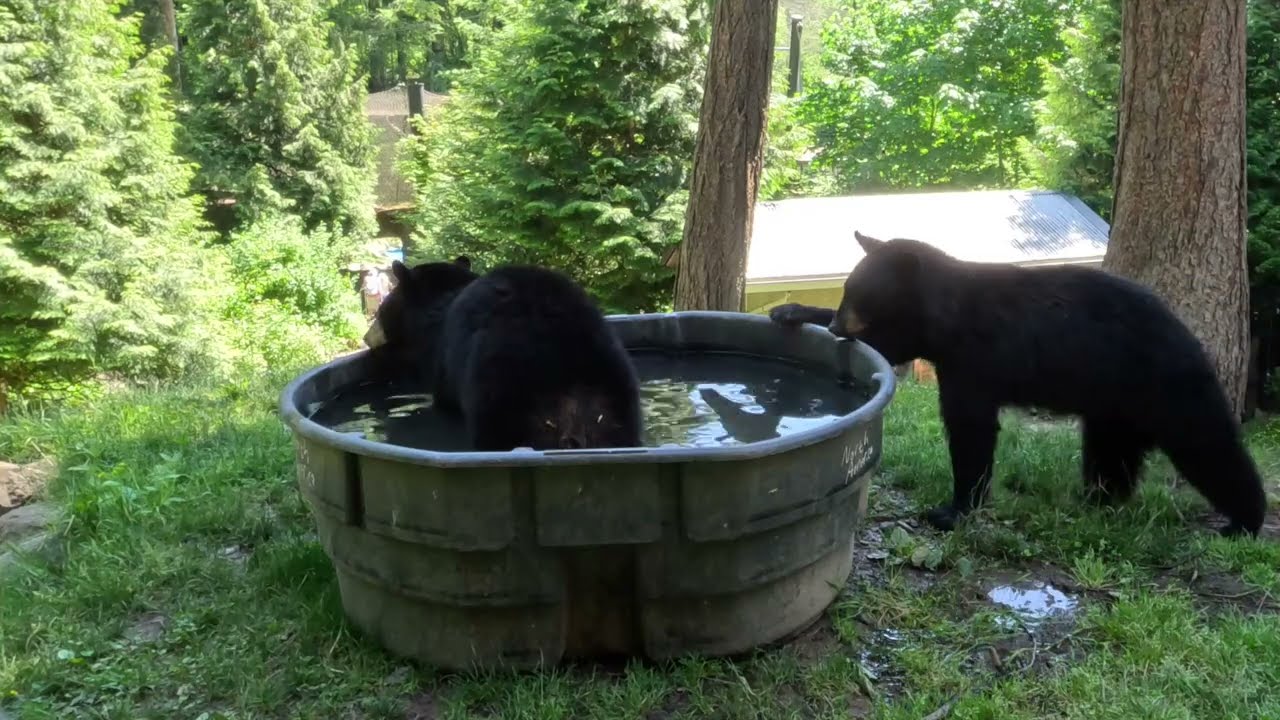
Black bears are fascinating creatures, known for their playfulness and intelligence. One enchanting sight is rescued black bears frolicking in large tubs of cold water. Videos of such interactions delight viewers, but they also prompt deeper inquiries into the behavioral and physiological needs of black bears in managed environments.
Understanding the Behavior and Playfulness of Black Bears in Captivity
Black bears, scientifically known as Ursus americanus, thrive on curiosity. They are naturally inclined to explore their surroundings, an essential behavior that aids their survival in the wild. In captivity, providing avenues for these behaviors is crucial. Research shows that the mental and physical stimulation from environments mimicking their natural habitats significantly improves their overall health.
Bears engage in playful activities for various reasons, including social bonding, honing skills needed for survival, and simply for enjoyment. In sanctuaries, it is particularly fascinating to see them play with water, showcasing their inherent love for splashing and swimming. This playful interaction not only delights the animals but also serves as an indicator of their well-being. Ethologists—specialists in animal behavior—study these interactions to better understand bear cognition and emotional health.
The Role of Enrichment in Enhancing the Welfare of Rescued Black Bears
Enrichment in zoological settings goes beyond the physical aspects of habitat design. It encompasses all measures taken to stimulate an animal’s physical and mental faculties. For rescued black bears, enrichment may involve puzzle feeders, climbing structures, and, notably, water features.
Water serves as a multi-dimensional enrichment tool. Beyond offering a medium for play, it provides cooling during hotter months and encourages physical activity. Enrichment helps mitigate stress and boredom often associated with confinement. Engaging activities promote natural behaviors, allowing animals to express complex, species-specific activities essential for their mental health.
The American Zoological Association emphasizes the importance of enrichment as part of an ethical responsibility to improve the quality of life for animals in human care. Each enrichment strategy is carefully planned and observed to align with an individual bear’s needs, based on age, health status, and personality.
The Scientific Basis of Using Water for Animal Enrichment
Water plays a significant role in animal enrichment programs. Its effectiveness lies in its ability to stimulate various senses—sight, sound, and touch. In black bears, water activities encourage exercise, thus promoting cardiovascular health.
Studies have documented that engaging with water can enhance brain activity and emotional well-being in bears. For animals accustomed to resource-rich, diverse environments, water provides dynamic stimuli that are consistently engaging. Additionally, the patterns of play observed in water reveal insights into the social dynamics and hierarchy within groups of black bears, allowing caretakers to better understand and manage their interactions.
The Importance of Sanctuary Environments in Zoo Management and Wildlife Conservation
Sanctuaries differ from traditional zoos in that they prioritize the welfare and rehabilitation of animals that are often rescued from dire situations. For black bears, these protected environments offer a second chance at life, free from the dangers of poaching and habitat loss that they might face in the wild.
Sanctuary environments employ comprehensive strategies that integrate enriched habitats and individualized care routines. They focus on replicating the ecological factors that bears would encounter in their natural habitats, such as varied terrain, foliage, and water bodies. This holistic approach not only improves the welfare of the bears but also provides valuable education opportunities for visitors.
Educating the public about the challenges faced by black bears in the wild and in captivity is crucial. Visitor engagement in such sanctuary settings fosters a deeper connection with nature and encourages a collective effort toward conservation.
Conservation Efforts and Education Regarding the Protection of Black Bears
Black bears face numerous threats in the wild, including habitat destruction, climate change, and illegal poaching. Conservation efforts aim to secure habitats and implement regulations to protect these majestic creatures. Sanctuaries play a pivotal role in these efforts by serving as ambassadors for wildlife, actively participating in rescue operations, and providing lifelong homes for animals that cannot be released back into the wild.
Furthermore, educational programs within these facilities emphasize the importance of coexistence and wildlife preservation. By highlighting the ecological role of black bears, these initiatives encourage sustainable practices and wildlife-friendly communities.
The narrative of rescued black bears playing in tubs of cold water offers valuable insights into the needs and joys of these animals. It underscores the importance of conscientious zoo management and wildlife conservation. As stewards of the environment, fostering such interactions offers a dynamic approach to protecting and understanding the diverse and vibrant life of black bears.
*****
Source Description
Cub a dub dub
We recently celebrated National Black Bear Day with special enrichment for the bears and special keeper talks for guests. A beary good time was had by all!
