
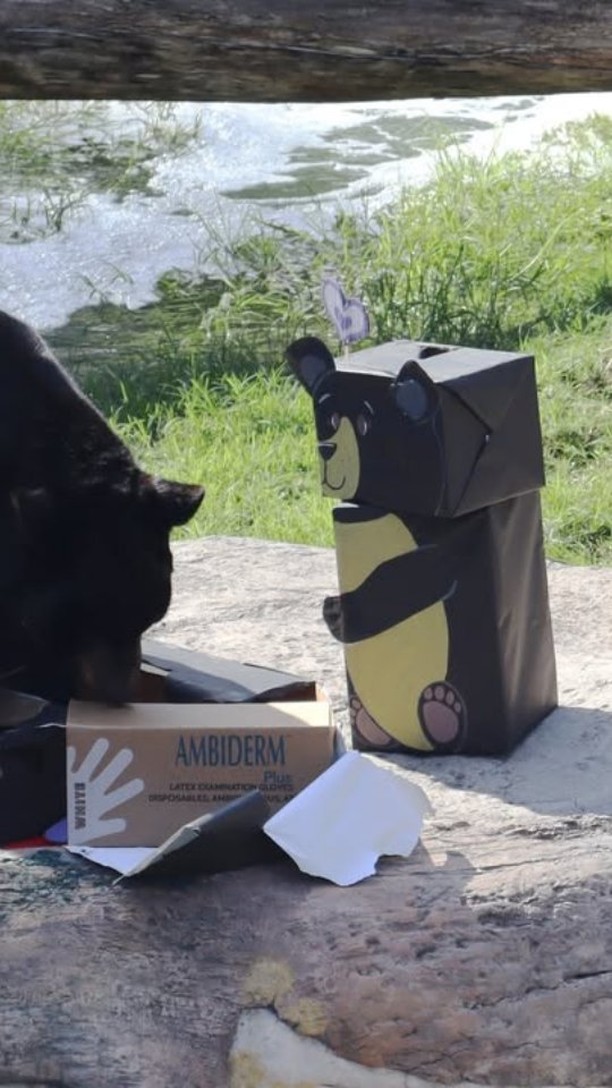
- The significance of enrichment activities for black bears in captivity.
- How piñata-filled snacks benefit the physical and mental health of bears.
- The role of zoos in wildlife conservation and education.
- Specific considerations in dietary and sensory enrichment for black bears.
- The broader implications of enrichment activities for wildlife conservation efforts.
In the context of modern zoo management and wildlife conservation, enrichment activities have emerged as a crucial component in promoting the well-being of animals in captivity. Among these, providing enrichment through activities like piñata-filled snacks offers both entertainment and physiological benefits, particularly for black bears. Such initiatives underline the intricate balance between maintaining ecological authenticity and ensuring animal welfare.
Enrichment activities stimulate the senses and engage animals in behaviors that mirror their natural instincts. For black bears, who are naturally curious and foraging animals, piñatas filled with their favorite snacks present an enticing challenge. These activities encourage physical exertion, mental stimulation, and problem-solving skills, all of which are essential for their overall health. By engaging in these behaviors, bears can exhibit a more natural range of activities, which supports both physical health and mental well-being.
Zoos play a vital role in wildlife conservation and education. They serve as platforms for research on animal behavior, health, and genetics, which is essential for conservation strategies. Enrichment activities, like those involving piñatas, are not just about entertainment; they are integral to the educational mission of zoos. By observing bears interacting with these objects, visitors gain insights into bear behavior and the importance of habitat preservation. This fosters a greater appreciation for wildlife, encouraging conservation efforts.
In designing enrichment activities for black bears, zoos must consider their dietary needs and sensory preferences. Bears have a diverse diet, and piñatas may contain fruits, nuts, or specially formulated bear snacks that meet nutritional requirements. The tactile and olfactory stimulation that comes from breaking open a piñata mirrors natural foraging for food. Such activities must be carefully curated to ensure safety and avoid overstimulation, which can lead to stress.
The significance of these activities extends beyond the confines of the zoo. They exemplify how behavioral enrichment can contribute to greater wildlife conservation objectives. By improving the quality of life for animals in captivity, zoos can demonstrate the importance of animal welfare in conservation debates. Successful enrichment strategies can be shared among conservationists to improve practices in both captive and wild settings.
Ultimately, initiatives like offering piñata-filled snacks to black bears underscore the fundamental goal of zoo conservation efforts: to encourage behaviors that foster the health and survival of species. These activities also serve an educational purpose, reminding us of the importance of conservation and the need to protect habitats for future generations. As zoos continue to refine these methods, the integration of enrichment into animal care strategies will likely pave the way for more advanced conservation approaches.
*****
Source Description
🐻💕 ¡Este nuestros osos negros disfrutaron de piñatas con sus snacks favoritos! Una deliciosa sorpresa que también estimula sus sentidos y los mantiene activos. 💚🐾
