
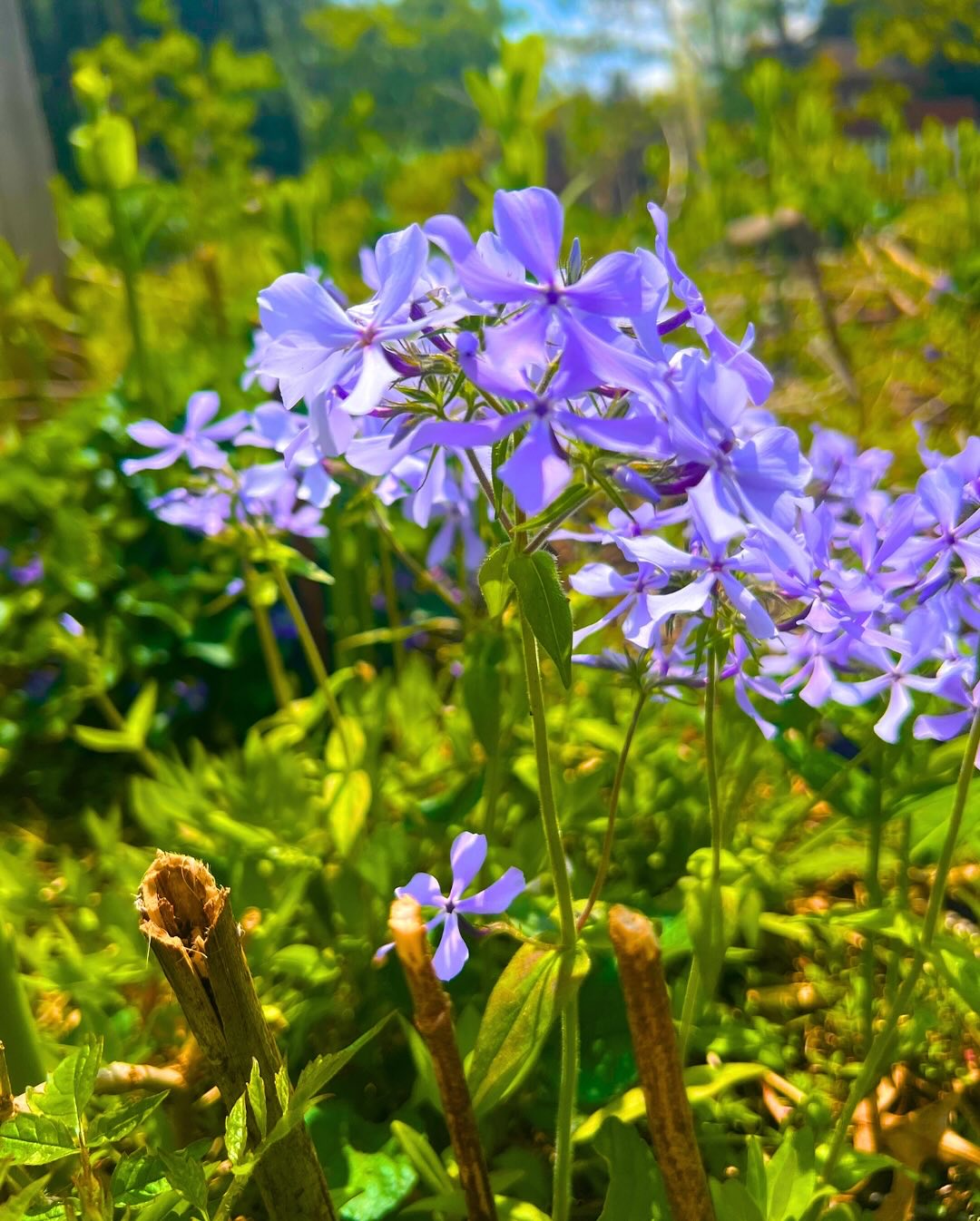
- Blue Violets are among the first flowers to bloom in spring, providing crucial nectar when other blooms are scarce.
- These flowers are a vital part of the ecosystem, serving as food for wild turkeys, mourning doves, white-tailed deer, and rabbits.
- Blue Violets also host fritillary butterfly caterpillars, playing a key role in their life cycle.
- The resurgence of Swamp Milkweed supports the monarch butterfly population, as these caterpillars rely exclusively on milkweed species.
- The Lehigh Valley Zoo contributes to conservation efforts by tracking monarch density and reporting data to the Monarch Larva Monitoring Project.
Blue Violets and Swamp Milkweed are critical components of early spring ecosystems. Blue Violets are small native flowers that herald the arrival of spring. Emerging early, they provide a vital nectar source when few other flowers are in bloom. This early flowering serves several ecological functions. By offering nectar, Blue Violets support a range of pollinators, including bees and butterflies, which are essential for plant reproduction and ecosystem health. Their presence underscores the interconnectedness of flora and fauna, showcasing how even small plants can significantly impact their surroundings.
Wild turkeys, mourning doves, white-tailed deer, and rabbits rely on Blue Violets as a primary source of nourishment during early spring. As these animals forage, they contribute to the dispersal of seeds, facilitating the growth of new plants. This symbiotic relationship illustrates how Blue Violets are an integral part of the food web, sustaining various wildlife and promoting biodiversity. Their role as a primary food source highlights the complex interdependencies within ecosystems.
Additionally, Blue Violets are a host plant for fritillary butterfly caterpillars. These caterpillars depend on the leaves of Blue Violets for sustenance during their development. As such, Blue Violets are crucial in supporting butterfly populations, particularly in the early stages of their life cycle. The interaction between Blue Violets and fritillary butterflies exemplifies the intricate relationships within ecosystems, where plants play an indispensable role in the survival of butterfly species, contributing to the overall diversity and health of their habitats.
Swamp Milkweed is another essential plant, particularly for the conservation of monarch butterflies. Monarch caterpillars feed exclusively on milkweed, and Swamp Milkweed offers a critical refuge for these larvae. The ability of monarch caterpillars to consume toxic milkweed leaves without adverse effects is a fascinating adaptation that protects them from predators. This unique ecological relationship is crucial for the monarch’s survival and illustrates the importance of plant-animal dynamics in nature.
The Lehigh Valley Zoo is deeply involved in monarch butterfly conservation efforts by monitoring and reporting data to the Monarch Larva Monitoring Project. This project tracks the distribution and abundance of monarch eggs, larvae, and milkweed across the United States. Such detailed monitoring is essential for understanding the factors affecting monarch populations, which have faced a dramatic decline of over 95% in the past 20 years. This sharp decrease underscores the urgent need for conservation efforts focused on habitat restoration and protection of key plant species like milkweed.
Efforts by institutions like the Lehigh Valley Zoo enhance community awareness and engagement in conservation initiatives. By contributing to citizen science projects, the zoo helps gather valuable data that inform strategies for protecting monarch butterflies and their habitats. This collaborative approach bridges the gap between scientific research and public involvement, fostering a shared responsibility for environmental stewardship.
The decline in monarch populations highlights broader environmental challenges. Loss of habitat, widespread pesticide use, and climate change pose significant threats to these butterflies. Conservation strategies must prioritize the preservation and restoration of native plant species, like Blue Violets and Swamp Milkweed, essential for the survival of dependent wildlife species. Collaborative conservation efforts represent a harmonized approach to addressing ecological challenges, emphasizing the importance of healthy, functioning ecosystems.
In summary, Blue Violets and Swamp Milkweed are pivotal in supporting wildlife through various ecological roles and interactions. These plants serve as primary resources for diverse species, ensuring the health and balance of ecosystems. Conservation involves understanding and amplifying the ecological networks that sustain life, where each component, big or small, is crucial for the entire system’s survival. These efforts ultimately contribute to the overarching goal of maintaining biodiversity and ecological health for future generations.
*****
Source Description
Blue Violets are a small native flower that is one of the first to bloom in the spring. They provide nectar during the spring when other flowers are not blooming. They are also an importance food source for wild turkey’s, mourning doves, white-tailed deer, and rabbits. This flower species is also the host plant for some fritillary butterfly caterpillars. 🌸 🦋
Swamp Milkweed is coming back up. This perineal plays an important role in the monarch butterfly’s lifecycle. Monarch caterpillars will only live on species of milkweed and are able to consume their toxic leaves. 🌿 🌱
Lehigh Valley Zoo tracks monarch density in our native plant garden over the summer and reports all data to the community science program, Monarch Larva Monitoring Project. The MLMP tracks monarch eggs, larva, and milkweed across the entire United States. Monarch population’s have decreased over 95% over the past 20 years. 🐛💛
