
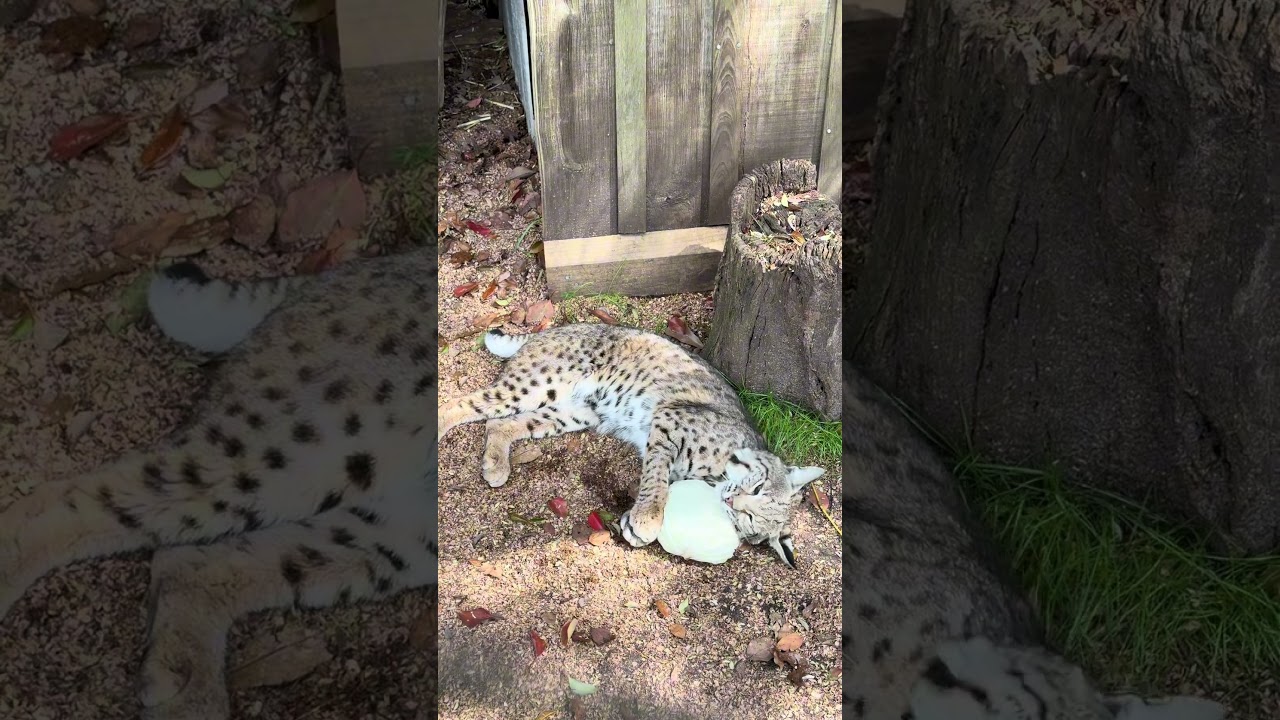
- Fun enrichment activities provide mental stimulation for bobcats.
- Cabbage serves not only as food but as a source of natural foraging behavior.
- St. Patrick’s Day offers a creative opportunity for public engagement and education.
- Understanding bobcats’ dietary preferences aids in better zoo management.
- Wildlife conservation emphasizes the importance of enriching the lives of captive animals.
Bobcats, scientifically known as Lynx rufus, are fascinating felines that exhibit a range of behaviors and adaptations ideal for a variety of habitats across North America. Their diet primarily consists of small mammals, birds, and sometimes carrion. However, at zoological facilities, their menu can expand to include fruits and vegetables for enrichment purposes. In conjunction with St. Patrick’s Day celebrations, two bobcats named Creole and Chinchuba are being introduced to a fun cabbage enrichment activity. This event not only highlights the role of natural behaviors in animal welfare but also serves to educate the public about the importance of enrichment in the lives of captive wild animals.
Enrichment activities serve as essential tools that promote mental stimulation and allow animals to demonstrate foraging behavior similar to what they would exhibit in the wild. For bobcats, traditional diets often do not replace the instinctual hunting behaviors they possess. To address this, zoos implement various activities to encourage exploration, physical exercise, and problem-solving. Providing cabbage as a form of enrichment taps into their natural instincts, allowing them to engage with their environment in a stimulating manner, thereby enhancing their overall well-being.
Cabbage, a member of the Brassica family, is rich in vitamins and fiber, making it an interesting option in a bobcat’s diet, even if it would not typically occur in the wild. The introduction of cabbage as an enrichment tool serves multiple purposes. First, it acts as a food source, promoting foraging behavior. Bobcats will often paw, sniff, and bat at the cabbage, mimicking predatory behaviors. This form of interaction is vital for their mental health, allowing them an outlet to express instinctual actions that they would normally perform while hunting.
The St. Patrick’s Day celebration also offers an opportunity for public engagement. Through such events, zoos can foster a connection between the public and wildlife conservation efforts. The more individuals understand the importance of animal welfare and the role of enrichment, the more likely they are to support conservation initiatives. Activities like the cabbage enrichment for Creole and Chinchuba invite observers to appreciate the intelligence and adaptability of bobcats, while also raising awareness about the challenges faced by wild populations.
Understanding the dietary preferences and behaviors of bobcats enriches zoo management practices. Each animal has its own unique preferences, which can evolve over time. By offering a variety of food items, such as cabbage, caregivers can observe which types are more eagerly accepted. Such observations contribute to a comprehensive Animal Husbandry Plan, enabling zookeepers to tailor diets to individual needs while ensuring balanced nutrition. This attention to dietary management reflects the overarching goal to maintain healthy and engaging environments for all animals housed within a zoo.
Wildlife conservation emphasizes the importance of mental and physical stimulation for captive animals. Many species, including bobcats, face threats in their natural ecosystems due to habitat destruction, poaching, and climate change. When animals are housed in human care, it becomes crucial to recreate conditions that allow natural instincts to shine through. Enrichment activities, like those planned for St. Patrick’s Day, not only improve animal welfare but also serve an educational purpose. They promote awareness and understanding among the public, fostering a culture of active participation in wildlife preservation.
When animals like Creole and Chinchuba engage with their environment productively, it signifies successful zoo management practices. Proper behaviors can lead to higher rates of reproduction, socialization, and overall health. Additionally, these interventions help animals cope with potential stressors in a captive setting. The commotion of visitors, new sounds, and the presence of other species can all contribute to anxiety. Enrichment activities provide natural outlets for this energy, reducing stress-related behaviors that may surface in confined spaces.
Bobcats, like many wild felines, have distinct territory ranges. In the wild, they can cover anywhere from 1 to 20 square miles. However, captive bobcats have limited space, making it even more crucial to implement creative enrichment strategies to stimulate their instincts. By providing a cabbage feast during a public celebration, zoos can replicate some aspects of their hunting behaviors, fulfilling their natural drive to explore and forage.
The integration of public celebration allows zookeepers to create meaningful interactions between the animals and visitors. Observers not only witness the bobcats exploring their cabbage enrichment but may also gain insights into conservation practices and dietary needs. Through innovative engagement models, zoos can inspire action and advocacy for bobcat habitats and their conservation.
Educating the public about bobcats enhances conservation efforts. Many individuals may not realize how important each species is to maintaining ecological balance. Bobcats play a pivotal role as predators within their ecosystems. They help regulate populations of prey species, which can prevent overpopulation and habitat degradation. By understanding their ecological significance, visitors can become advocates for protecting bobcat habitats and supporting conservation initiatives.
As Observer engagements increase through events like cabbage enrichment for bobcats, zoos have the opportunity to refine their messaging regarding wildlife conservation. The response from the public can guide which messaging resonates most, enabling further development of educational programs and visitors’ understanding of wildlife preservation.
The potential synergy between public engagement and wildlife care can result in a cycle of support. With every cabbage interaction or public program, zoos can highlight their commitment to conservation while providing species-specific information that fosters a connection.
The unique opportunity to introduce St. Patrick’s Day-themed enrichment serves as a reminder of the vast role humans play in supporting wildlife. Integrating cultural celebrations into enrichment activities allows for community involvement, and it directs focus on the importance of habitat conservation. By choosing cabbage, a cultural symbol associated with the day, zoos facilitate a fun and educational experience for all those involved.
In this context, it’s essential to emphasize the broader implications of such enrichment initiatives. The practices adopted for Creole and Chinchuba can be modeled for other species, showcasing how a diverse diet can promote health and wellness. As zoos continually assess and adapt their enrichment strategies, they reinforce the continuous commitment to both animal welfare and public education.
As wildlife and conservation enthusiasts, it is incumbent upon us to promote thoughtful practices in zoological management. Collaborative efforts between the public, zookeepers, and conservationists create a powerful approach to preserving biodiversity. Different animals, from bobcats to broader ecosystems, require our collective advocacy to thrive.
In the case of bobcats, factors such as habitat fragmentation and climate change threaten their populations. Engaging the public with cabbage enrichment can lead to increased awareness about the challenges faced by these wild cats. It also provides insights into how we can help, whether through supporting conservation efforts, participating in local habitat restoration, or learning more about the species that share our planet.
Instilling a sense of stewardship within the community can foster a sustainable future for both captive and wild populations. Through educational endeavors like the St. Patrick’s Day cabbage enrichment for Creole and Chinchuba, zoos can turn passive observers into active participants in wildlife conservation.
By fostering an appreciation for wildlife, especially magnificent species like bobcats, we can encourage new generations to recognize their significance. With continued focus on animal welfare through enrichment and education, it remains possible to build a network of advocates committed to the survival of bobcats and many other species facing adversity.
*****
Source Description
