
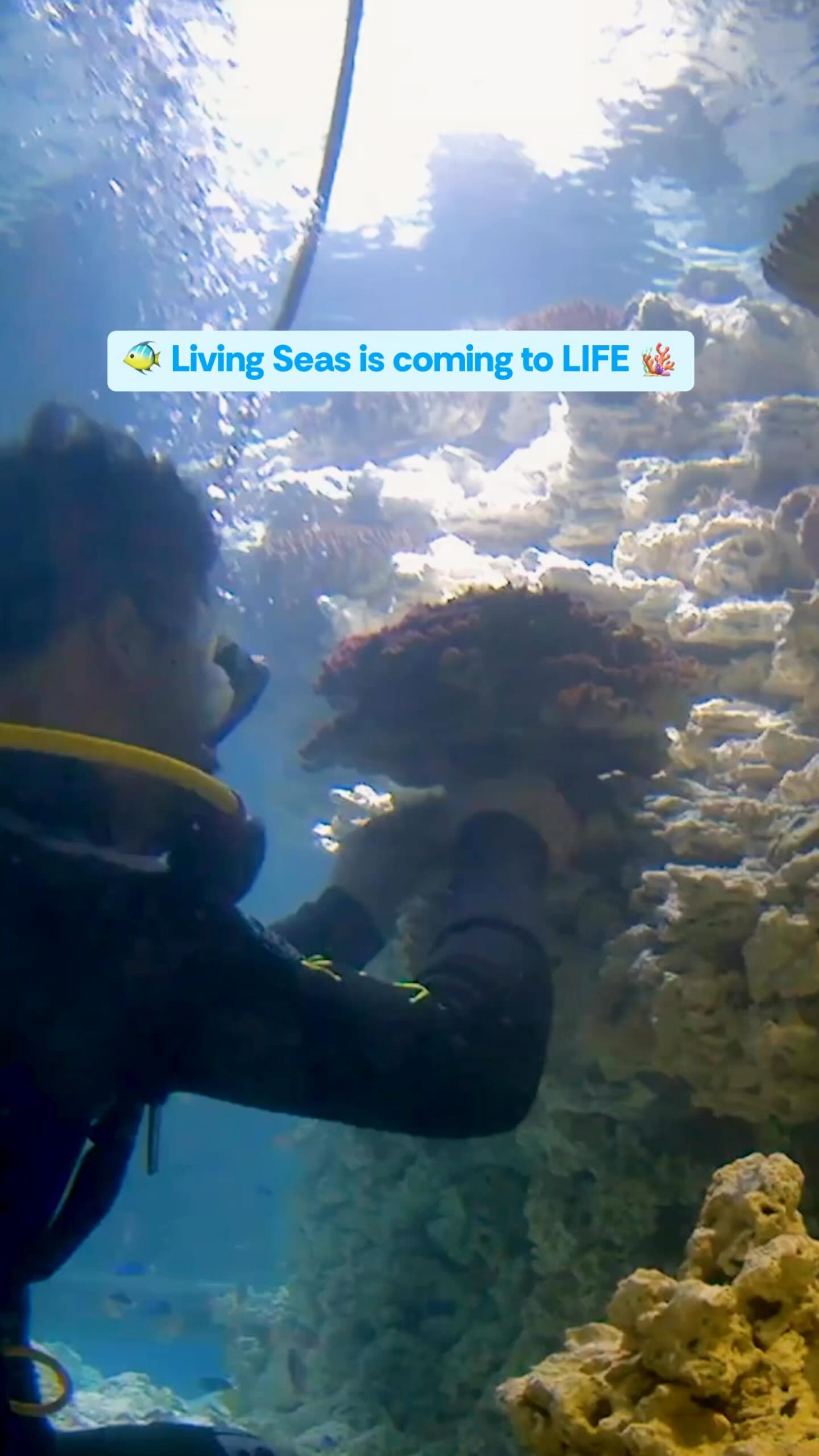
- The significance of Living Seas in marine conservation.
- The meticulous process of moving animals to their new habitats.
- The importance of animal enrichment and habitat design.
- Challenges faced and solutions implemented during the transition.
- The role of public awareness and education in conservation efforts.
Bringing Living Seas to Life highlights the crucial role that marine environments play in sustaining ecosystems. Living Seas offers visitors a chance to observe aquatic life in a setting that emulates their natural habitats while also emphasizing conservation. The design and implementation of Living Seas have integrated modern practices to support marine wildlife, demonstrating a commitment to preserving biodiversity.
Moving animals to new habitats involves a detailed process, emphasizing both animal welfare and effective environmental management. Each step requires extensive planning, from the initial care of the animals to their eventual placement in Living Seas. Staff members have conducted thorough assessments to determine the specific needs of each species. Rescued animals often require additional attention and rehabilitation before being introduced to new environments.
Setting up the habitats involved creating a variety of ecosystems that reflect the conditions typically found in the wild. These ecosystems include suitable water conditions, appropriate temperatures, and habitats that mimic the natural landscape each species would encounter. For example, tropical creatures thrive in warmer waters and require ample cover for hiding, while temperate species favor cooler environments with open spaces for swimming. The careful selection of flora and substrates adds to the authenticity of these habitats.
A vital aspect of transitioning animals into their new environments at Living Seas is the implementation of enrichment activities. This process goes beyond mere survival; it enriches the animals’ lives by providing mental stimulation and promoting natural behaviors. Enrichment can take multiple forms, such as introducing new objects for aquatic animals to explore or altering feeding routines to engage hunting instincts. Research shows that environmental enrichment improves animal welfare by reducing stress and increasing overall species health.
Challenges occur even with the most careful planning. For instance, some animals may experience stress during relocation due to changes in their surroundings and routines. Stress can lead to health issues such as compromised immune systems or altered feeding behaviors. To combat this, staff carefully monitor animals during the transition period and adjust environmental conditions accordingly. This may include altering water chemistry, providing hiding spaces, or altering feeding schedules to help animals acclimate.
Another challenge lies in the physical construction and design of the habitats. Designing the Living Seas involved careful consideration of water filtration systems, lighting, and temperature controls. These features work together to maintain a stable environment conducive to wildlife. Aquatic ecosystems require specific water quality, and sophisticated filters continuously clean the water to ensure it meets environmental standards.
Public awareness and education play a significant role in the success of conservation initiatives like Living Seas. Engaging visitors with informative exhibits and fun activities helps build a connection between the animals and the public. Through on-site programs, guests learn about not only the species displayed but also the broader importance of ocean health and biodiversity. When visitors leave with a deeper understanding of marine life, they are more likely to support conservation efforts.
Incorporating research and conservation programs is another key element of Bringing Living Seas to Life. Partnerships with universities and conservation organizations allow for ongoing research that benefits both the animals in Living Seas and their counterparts in the wild. This collaboration helps develop innovative methods for species preservation and opens doors for addressing pressing environmental concerns.
Additionally, animal breeding programs contribute to species recovery efforts. Loss of natural habitats continues to pose a threat to many marine species, making these initiatives critical. By breeding endangered species in managed settings, conservationists aim to reintroduce healthy populations into the wild. Living Seas not only educates the public about these efforts but also serves as a breeding ground for species that may be facing extinction.
In summary, the transition of animals to Living Seas involves much more than just moving them to a new space. The planning, execution, and ongoing management of their new habitats highlight the commitment to marine conservation. The comprehensive approach taken ensures that every aspect, from habitat design and animal welfare to public education and research, is additive in enhancing the mission of marine conservation.
Education and community involvement are essential pillars of this endeavor. Organizing volunteer programs and educational workshops encourages community participation in marine conservation. Visitors can engage in hands-on activities, such as beach clean-ups or citizen science projects, which foster a sense of responsibility towards marine resources. Engaging the community ignites a passion for environmental stewardship that extends beyond the walls of Living Seas.
Notably, the diverse range of species found in Living Seas serves to illustrate the complexity of marine ecosystems. Each species plays a vital role in maintaining the balance within their environment. Educational displays highlight these interconnections, emphasizing that the loss of one species impacts many others. This interconnectedness is a crucial lesson for the public to understand as they contemplate their role in conserving marine life.
Furthermore, the operational success of Living Seas relies on continuous evaluation and adaptation. Environmental scientists work alongside animal care specialists to assess the effectiveness of the habitat setups. Data collection, coupled with observational studies, helps refine practices that promote animal health and welfare. This science-based approach ensures that best practices are in place to protect the animals and their ecosystems.
Living Seas also serves as a platform for discussing broader environmental issues, such as ocean pollution and climate change. Interactive exhibits educate guests on the impact of plastic waste, overfishing, and habitat destruction on ocean ecosystems. Highlighting these challenges fosters a sense of urgency and responsibility amongst visitors. Armed with knowledge, individuals are better positioned to advocate for practices and policies that protect marine environments.
The effective dissemination of knowledge extends beyond the on-site experience, utilizing digital platforms and social media. By sharing stories about the animals, updates on conservation efforts, and calls to action, Living Seas reaches audiences far and wide. This accessibility reflects a contemporary approach to education that resonates with a diverse audience, fostering global awareness.
Scientific research also plays an integral role in Bringing Living Seas to Life. Collaboration with esteemed research institutions furthers the understanding of various marine species and their needs. This partnership allows for the exploration of best practices in husbandry and conservation strategies. Ongoing studies contribute to creating a knowledge base that informs future marine conservation efforts.
As Living Seas opens its doors on May 22, the focus will not only be on showcasing marine life but also on fostering a community dedicated to conservation. This initiative aims to cultivate an appreciation for the complexities of marine ecosystems and the importance of protecting them. Through education, research, and community involvement, Living Seas strives to inspire individuals to take action for the health of our oceans.
The processes employed in creating Living Seas exemplify a commitment to sustainable marine practices. Through careful planning and execution, animals are welcomed into environments that promote not only their well-being but also the continuation of vital ecosystems. The attention to detail, combined with educational outreach, ensures that visitors leave with a renewed respect for marine life.
Bringing Living Seas to Life serves as a vibrant reminder that every individual can contribute to the conservation of our oceans. The time is now to engage, educate, and act to protect these invaluable resources. The journey of these aquatic animals, from their previous homes to Living Seas, reflects the ongoing dedication to fostering a sustainable future for marine life.
In addressing the urgent challenges facing marine environments, Living Seas stands as a beacon of hope and resilience in the face of adversity. This effort underscores the interconnected web of life in our oceans and reminds us that preservation is a shared responsibility. Together, we can work towards vibrant ecosystems that thrive for generations to come.
*****
Source Description
🐟 Bringing Living Seas to Life 🪸
We’ve been hard at work moving animals into their new homes in Living Seas. Here’s a behind-the-scenes sneak peek of all the incredible care that went into welcoming our animals to their new habitats – from familiar faces like our rescued and Tropical to fascinating newcomers like
🎉 opens May 22 🎉
