
- The significance of community outreach in educational programs
- Understanding the benefits of animal interactions
- The role of partnerships in funding educational initiatives
- The impact of COZI on the Racine community
- Strategies for creating engaging educational experiences
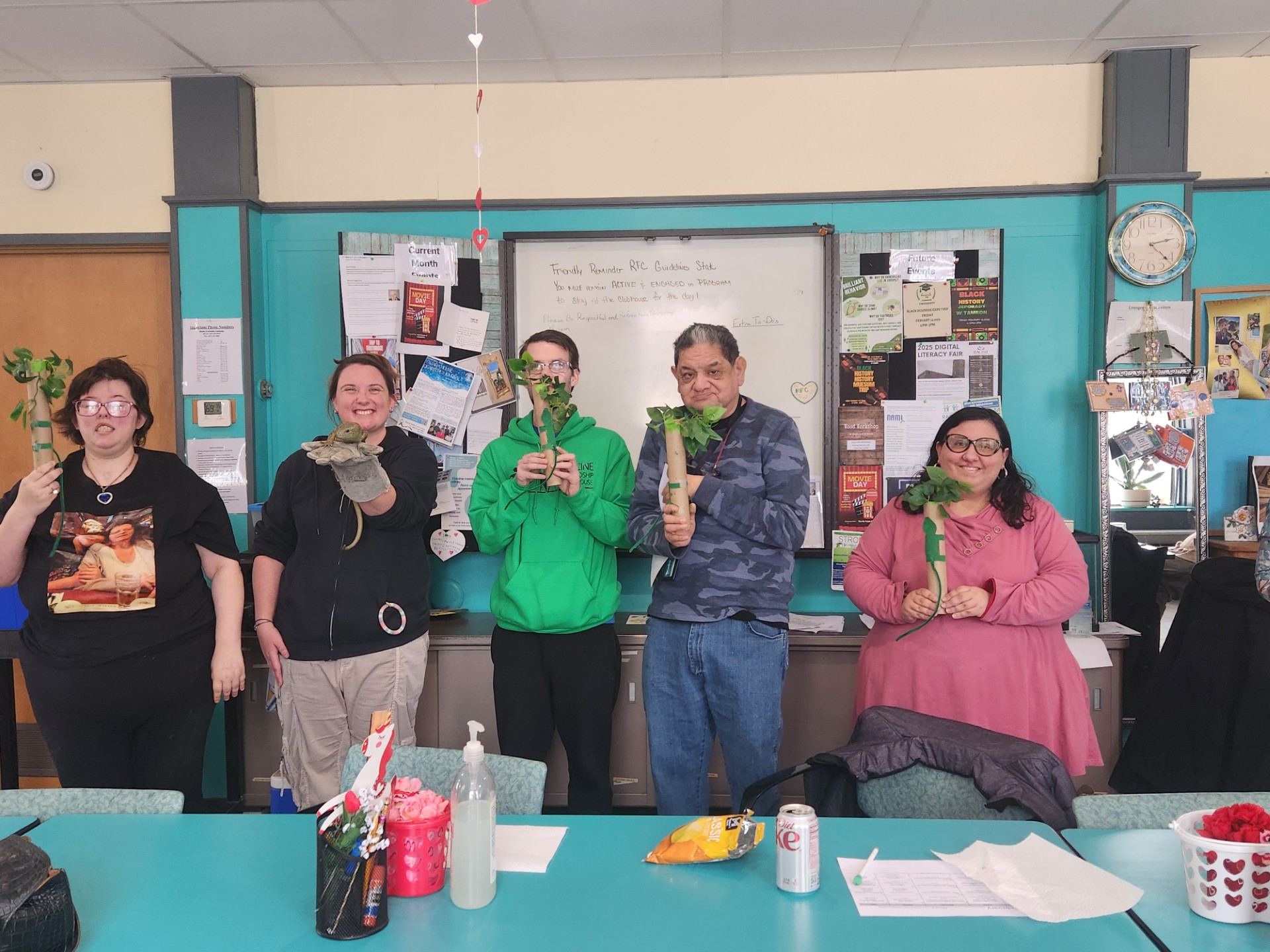
Bringing educational resources directly to communities is a vital aspect of effective outreach. Programs like COZI (Community Outreach Zoo Initiative) serve as bridges between educational institutions, like the Racine Zoo, and underserved populations. The primary objective is to bring learning experiences directly to individuals, facilitating access to wildlife education that might otherwise be out of reach due to financial or logistical barriers. This kind of outreach has become increasingly important in addressing educational disparities while fostering community well-being.
Animal encounters serve as powerful learning tools. Research consistently shows that direct interactions with animals can boost mental health and well-being. Such experiences provide unique opportunities to promote empathy, understanding, and appreciation of wildlife. Through the touch of fur or feather, individuals often find themselves more engaged and receptive to educational content. This becomes particularly valuable in an outreach setting, where traditional classroom environments might lack the same level of investment from participants.
The COZI program exemplifies collaborative efforts needed to make this type of community work possible. Generous donors play a key role in supporting these initiatives. Organizations such as Women United of United Way of Racine County provide critical funding that helps sustain monthly visits to various outreach sites. Secure funding is essential for maintaining the quality and consistency of programs that benefit vulnerable populations, such as families in shelters or individuals living with mental health challenges. Without this financial backing, the Racine Zoo would face significant hurdles in delivering consistent educational experiences.
Participation in COZI also has lasting effects on the Racine community. Since its inception in 2019, many of the partner sites have continued their engagement year after year. This long-term commitment reflects a reciprocal relationship: the community benefits from increased literacy and well-being, while the Racine Zoo expands its educational reach. By focusing on fostering relationships with ongoing partners, the program not only brings biodiversity awareness but also cultivates a sense of belonging and shared responsibility for the environment.
The dynamics of creating engaging educational experiences cannot be overlooked. Programs need to incorporate hands-on activities, crafts, and animal ambassadors to captivate participants’ attention. This multi-faceted approach keeps individuals interested and invested in the educational process. Children thrive on creativity and interaction. Introducing elements like crafts inspired by the animal ambassadors can help solidify learning while allowing participants to create tangible memories.
The incorporation of animal ambassadors is particularly beneficial. These could range from small reptiles to friendly mammals. This variety not only garners excitement but serves educational purposes as well. Each animal represents its own ecosystem, showcasing the intricacies of animal behavior, habitat, and conservation. Discussing these aspects cultivates a deeper understanding of how interconnected natural environments are, highlighting the importance of wildlife conservation.
Moreover, there are profound social implications to these programs. Many individuals living in shelters or experiencing mental health issues often encounter barriers to accessing educational resources. Bringing the zoo to them makes it easier to engage. Participants often express joy and wonder, which can be especially impactful for children. These positive interactions help combat feelings of isolation and provide essential social connections within the community.
One of the key aspects of community outreach, especially through programs like COZI, is addressing literacy challenges. Literacy is a critical skill that affects various life outcomes, including job opportunities and quality of life. Engaging children with the themes of nature, wildlife, and animals has shown promise in improving literacy rates. The storytelling component, blended with hands-on activities, enables children to make connections that foster learning and retention. Educational initiatives that prioritize literacy in fun and engaging ways can create lasting impacts on community members.
In addition, through COZI, the Racine Zoo is helping to grow a generation of informed citizens who understand the importance of wildlife conservation. Early exposure to these concepts can help to nurture responsible behavior towards the environment. When children develop a sense of ownership and connection to wildlife, they are more likely to advocate for conservation efforts in the future. Such initiatives do not exist in a vacuum; they contribute to broader societal shifts regarding environmental stewardship.
In the current climate, the intersection of public health and education necessitates innovative approaches to community outreach. The joy of connecting people with nature cannot be underestimated, especially in a world where many feel increasingly disconnected from the environment. Programs like COZI help combat this trend by reinforcing the notion that despite challenges, communities can come together through shared experiences with wildlife. The use of educational programs in this context becomes not just an educational challenge but a profound opportunity for social change.
Moreover, as COZI expands its educational footprint, it reflects a growing awareness within educational institutions about the need for accessibility. Outreach programs like this resonate with the ideals of inclusive education, where learning does not solely occur within the confines of a classroom. Instead, educational opportunities should be diversified and brought to various settings where engagement can flourish. This fosters an enriching environment where learning can take place for everyone, regardless of their circumstances.
As the Racine Zoo revisits partner sites monthly, the continuous exchange of knowledge aids in building community trust. Consistency in educational outreach reinforces the Zoo’s commitment to enhancing the well-being of community members. Building trust is essential in underserved areas, where individuals might have lingering doubts about educational programs. Frequent visits help to cultivate a space of familiarity and openness, encouraging more individuals to participate.
Scaling these educational initiatives requires innovative thinking and adaptability to unique community needs. Each site presents its own challenges and opportunities. Thus, the team must evaluate what educational materials resonate best with participants. For example, the level of interaction and the types of animal ambassadors might vary based on the community’s demographics. Educators involved in the program must exhibit a keen understanding of their audience to enhance learning experiences effectively.
Furthermore, the benefits of community outreach extend beyond just educational gains. They support the emotional health and well-being of participants. The act of connecting with animals can significantly lift spirits, fostering moments of joy and leisure in otherwise challenging situations. By engaging with friendly animal ambassadors, participants experience a range of positive emotions, reinforcing the importance of emotional well-being. This interaction provides a much-needed respite, especially for those facing hardships.
With the continuity of programs like COZI, there is a possibility of fostering long-term change. These experiences can transform perceptions about wildlife, leading to a more informed and engaged citizenry. Individuals who participate in outreach initiatives are not only more likely to appreciate wildlife but also advocate for conservation efforts online and offline. This shift in awareness can inspire collective responsibility for wildlife conservation long after the visits.
Overall, COZI illustrates how community outreach through zoos can create significant impacts. Bridging the gap between animals and people facilitates learning, nurtures emotional health, and strengthens communities. The multifaceted benefits of such initiatives resonate deeply, proving that education is most effective when it is inclusive and accessible. The Racine Zoo continues to pave the way toward a model of outreach that prioritizes education, community, and environmental awareness, making a lasting difference in the lives of many. As more organizations recognize the value of outreach, the opportunities to connect diverse populations to wildlife and conservation efforts will continue to grow, enriching communities far and wide.
*****
Source Description
: Bringing The Zoo To You
One of the Racine Zoo’s most impactful education programs is COZI (Community Outreach Zoo Initiative). These programs bring the Education Team to different sites, with fun, free activities and crafts, as well as animal ambassadors for participants to meet and learn about. We select sites that serve people in the Racine community who may not have the financial stability or transportation to visit the Zoo on their own, so we bring the Zoo to them! This includes sites that have families living in shelters or individuals living with mental illness. Generous donors such as Women United of United Way of Racine County help fund these programs, as we visit each site once a month! Studies have shown that spending time around animals improves mental health, and participating in education Zoo programs like these, helps improve literacy rates. COZI had been a program at the Zoo since 2019, and many of the sites participate year after year. These programs continue to bring joy to the Racine community and spread the wonder of nature to all.
Read more or donate now: https://racinezoo.org/givingzooday
