
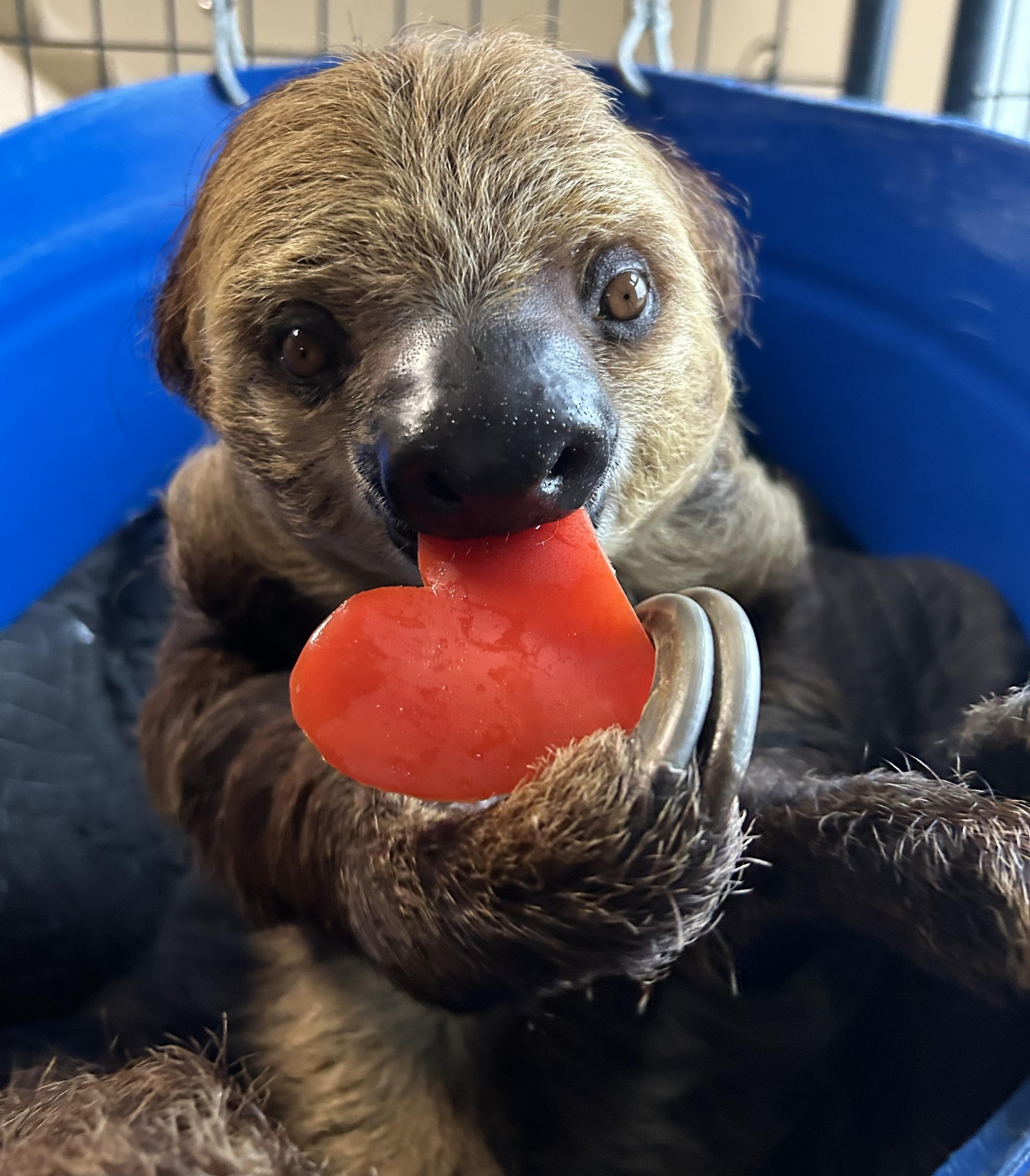
- The biology and lifestyle of sloths.
- The significance of slow living and mindfulness.
- The nutritional benefits of heart-shaped vegetables.
- The symbolism of love and affection in nature.
- The importance of wildlife conservation and habitat protection.
Sloths are fascinating creatures, known for their slow movements and unique adaptations. These mammals inhabit the tropical forests of Central and South America. They belong to the folivorous group, which means they primarily consume leaves. Their slow metabolism allows them to conserve energy, making them expert loungers. This slow pace is not just a quirk; it plays a significant role in their survival strategy. Sloths have evolved to thrive on a diet that is low in calories, relying on their ability to digest tough plant material over extended periods.
A key aspect of sloth biology includes their digestive system. Sloths have a four-chambered stomach, similar to that of a ruminant. This structure allows bacteria to break down tough cellulose from leaves, which is a feat indicating their exceptional adaptation to their diet. The sloth’s low-energy lifestyle may seem less engaging compared to faster mammals, but it is remarkably effective. They spend an average of 20 hours sleeping or resting and use the remaining time to eat and move. Their slow movements help avoid detection by predators, primarily jaguars and eagles. Such evolutionary advantages illustrate how sloths are perfectly suited to their environments.
The theme of slowing down can be observed not just in sloths but in our daily lives as well. The pressures of modern living foster a fast-paced lifestyle. However, the message “Slow down, snack often, and let love come to you” encourages mindfulness and appreciating the moment. Slow living promotes awareness, allowing individuals to savor experiences, just as Bruno the sloth enjoys his meals. This notion parallels practices such as meditation and yoga, which emphasize the importance of present awareness.
In Albert Einstein’s poignant words, “Life is like riding a bicycle. To keep your balance, you must keep moving.” However, achieving a balance also necessitates moments of stillness. By embracing slow living, we often find an increased sense of fulfillment, allowing us to connect more deeply with ourselves, others, and our environment. This approach can lead to improved mental health and a heightened awareness of the natural world.
The specific choice of heart-shaped bell peppers in the Valentine’s Day message furthers this idea, symbolizing love and nourishment. These vibrant vegetables are not only visually appealing; they are also packed with essential nutrients. Bell peppers are rich in vitamins A and C, both of which support immune function. They also contain antioxidants that fight free radicals, contributing to better health.
Incorporating heart-shaped vegetables into our diets can be a fun and creative means of promoting healthy eating. Encouraging children and adults alike to engage with their food fosters a positive relationship with nutrition. Eating colorful and diverse foods can significantly enhance dietary quality and encourage lifelong healthy habits.
In nature, love and affection are evident in animal behaviors and interactions. Many species exhibit nurturing behaviors, reinforcing the idea that love is essential across the animal kingdom. For instance, the bond between mother and offspring is crucial for survival. Animal parents often invest time and resources into rearing their young. This investment can manifest as teaching skills necessary for survival or providing emotional comfort.
The symbolism of heart shapes transcends into the natural world, where love is a fundamental aspect of many species’ reproductive and social behaviors. Displays of affection in animal groups signify stronger bonds, contributing to communal success and cooperation.
Wildlife conservation plays a vital role in maintaining these natural relationships. As deforestation and habitat fragmentation increase, species such as sloths face existential threats. Protecting their habitats is essential not just for their survival but for maintaining biodiversity. Each animal, including sloths, contributes to their ecosystem, promoting its health and balance.
To ensure the survival of such unique mammals, conservation efforts must be prioritized. Habitat protection can take many forms, from establishing protected areas to advocating for sustainable practices in agriculture and resource management. Educating communities and raising awareness about the importance of wildlife and habitats is crucial.
Talking about sloths, in particular, offers a powerful opportunity to engage people with conservation. Their curious and endearing nature captures attention and offers a gateway for discussing more extensive environmental issues. Conservationists can leverage this interest to inspire action and change behaviors regarding habitat destruction and wildlife interactions.
Valentine’s Day, often celebrated with romantic gestures, can serve as a reminder to manifest love not only towards one another but to the environment as well. Emphasizing sustainability by choosing eco-friendly gifts, supporting conservation efforts, and practicing mindful consumption can significantly impact wildlife preservation. Love for the planet can coalesce with traditional celebrations, encouraging deeper connections to both humanity and nature.
Sloths, symbolic of taking life slowly, embody a philosophy that is increasingly vital today. In our pursuit of success and achievement, we must remember the importance of enjoying life’s simple pleasures. This balance can lead to profound personal and collective transformations.
Engaging in activities that connect us with nature can also provoke feelings of love and gratitude. Many find peace in gardening, hiking, or simply spending time outdoors. These activities remind us of our interconnectedness with all living beings, fostering a sense of stewardship towards the earth. As we nurture the environment, we allow love to flourish around us.
Valentine’s Day messages can thus extend beyond romantic love and encompass a broader appreciation for life, health, community, and nature. Bruno’s Valentine’s Day message encourages us to slow down, snack often, and allow love to seep into our lives and surroundings. Appreciating the pace of life can unveil the beauty and fragility of our ecosystems, just as a sloth languidly enjoying its heart-shaped bell pepper exemplifies.
Our admiration for sloths reveals our connection with nature and reinforces the urgent need for conservation efforts. As we uphold our love for wildlife, we must also respect the habitats they inhabit. Every effort counts, from small choices in our everyday lives to larger initiatives aimed at protecting biodiversity.
In embracing this ethos, we honor all living beings, from the slow-moving sloth to our fellow humans. Each choice we make mirrors our commitment to creating a healthier environment, fostering love, and reinforcing the interconnected web of life.
Bruno illustrates a simple yet powerful truth: love is best experienced slowly, like a sloth’s leisurely approach to life. In cherishing time spent in nature, we cultivate not just affection but a profound respect for the world around us. The next bite of that heart-shaped bell pepper may just be a reminder of the enduring bonds that connect us all.
*****
Source Description
Bruno’s got a Valentine’s Day message for you: Slow down, snack often, and let love come to you. ❤️ A little reminder that love, like a sloth’s pace, is best savored slowly.
❤️ Did you know sloths have a superpower? Their slow metabolism helps them conserve energy, making them expert loungers (and snack enthusiasts!). Today, Bruno is enjoying a heart-shaped bell pepper—because love and veggies are always worth savoring. 🥰
