
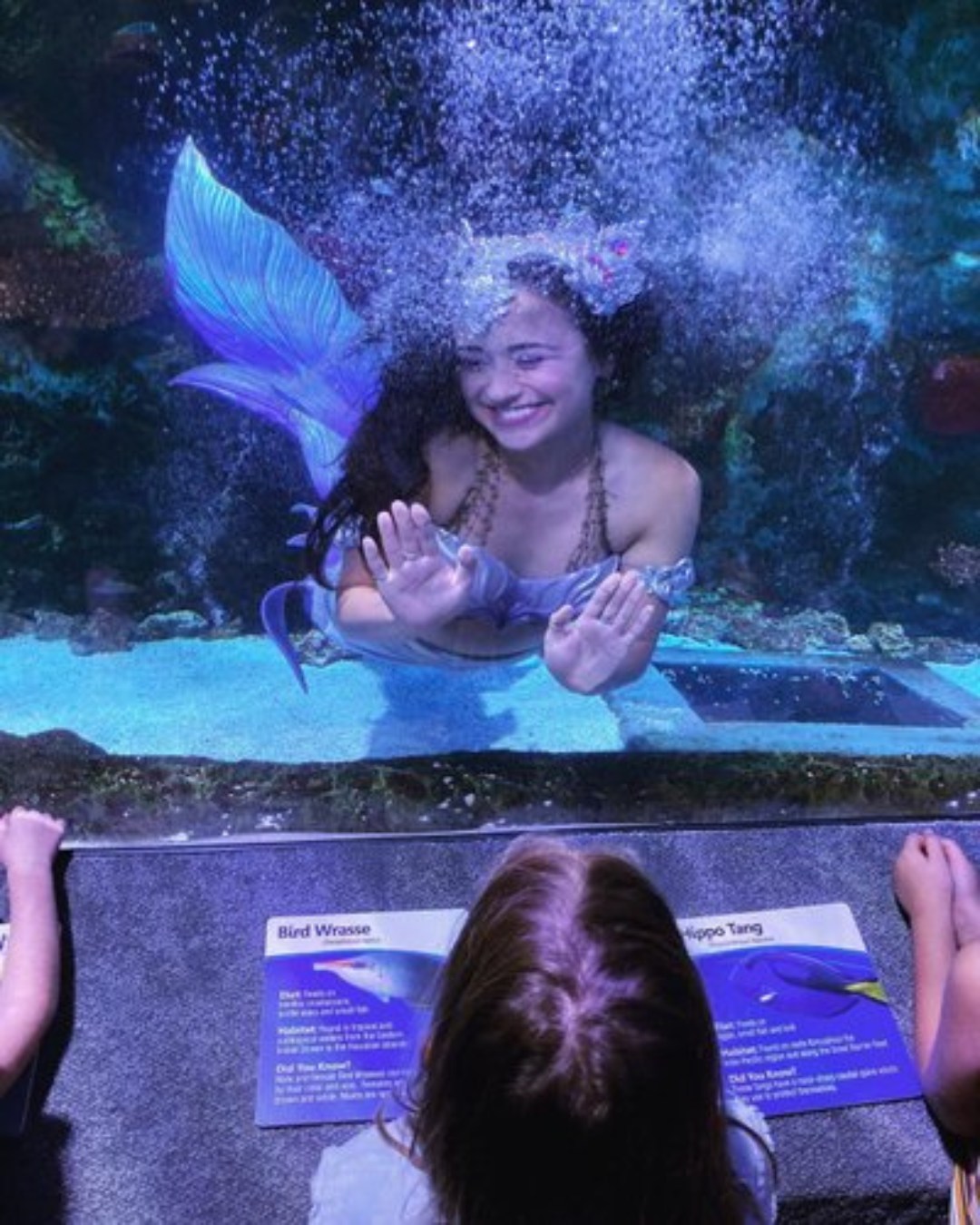
- The enchanting connection between marine life and conservation efforts at the aquarium
- The educational experiences available through the event, including breakfast with a mermaid
- The role of aquariums in fostering understanding of aquatic ecosystems
- Community involvement and its impact on wildlife preservation
- The importance of supporting marine conservation through events and educational outreach
Aquariums serve as vital centers for education, conservation, and research. The upcoming event "They’re flipping, twirling, and sharing bubble kisses all through the aquarium" reflects the unique opportunities that these institutions create to engage the public, generate interest in marine biology, and promote conservation efforts. From April through June 22, visitors can observe playful aquatic creatures while also participating in an event that allows for direct interaction with a specialized performer dressed as a mermaid. This innovative approach not only enhances visitor experience but also opens avenues for deeper understanding of marine life.
The theme of breakfast with a mermaid offers a delightful and informative occasion for families, especially children who are naturally curious about sea life. It incorporates elements of fantasy while grounding the experience in educational content. A full buffet with skyline views allows attendees to enjoy a meal while immersed in an aquatic environment. Attendance also grants general admission to the aquarium, making it a multifaceted experience.
Interactions with a mermaid provide an opportunity to discuss various marine species, their habitats, and the ecological issues affecting them. Mermaids often serve as a captivating medium to deliver complex information about marine life, such as the biology of fish, the importance of coral reefs, and the roles various organisms play in the ecosystem. They invite children and adults alike to immerse themselves in a narrative that promotes environmental understanding.
The aquarium plays a vital role in fostering awareness about aquatic ecosystems. As a living laboratory, it offers insights into species adaptation, behavior, and conservation challenges. By showcasing a diverse range of marine life, visitors gain a comprehensive understanding of ecosystem interactions and the critical importance of biodiversity. The educational programs offered, particularly during special events like the mermaid breakfast, often include behind-the-scenes tours, interactive exhibits, and expert talks. Such initiatives enrich the visitor’s experience and highlight the crucial connections between individual species and overall ecosystem health.
Moreover, aquariums contribute significantly to community-based conservation initiatives. Many facilities collaborate with local conservation organizations to address pressing issues such as overfishing, habitat loss, and pollution. Partnering with community members, aquariums mobilize efforts to clean local water bodies, engage in habitat restoration projects, and promote sustainable fishing practices. These initiatives foster a sense of community ownership and awareness regarding local marine life.
Community involvement is essential for the success of wildlife preservation. An event like "meanings of meeting a mermaid" can serve as a springboard for larger discussions about responsible behavior towards the ocean. Through workshops, volunteer opportunities, and educational programming, aquariums harness community interest to advocate for various conservation causes.
Educational outreach programs help bridge the gap between science and the general public, encouraging families to think critically about their environmental impact. By utilizing events designed to engage audiences of all ages, aquariums cultivate a new generation of environmentally conscious citizens. This approach is particularly relevant in today’s context, where climate change and pollution threaten aquatic ecosystems.
A significant part of these educational events is their role in fundraising for conservation projects. Proceeds from ticket sales often support animal welfare, habitat protection, and research initiatives. This financial backing allows aquariums to continue their essential work in studying marine life and developing strategies to guard against threats. Through events, attendees are not just spectators but active participants in marine conservation efforts.
Guests attending the mermaid breakfast event will find that the experience extends beyond mere entertainment. Engaging with a figure who embodies marine mythology serves as an effective tool for education. Visitors can ask questions, take photos, and learn about sea creatures that may otherwise go unnoticed. Representing an intersection of fantasy and reality, mermaids can stimulate conversations about real marine species and environmental issues, encouraging attendees to look deeper into their relationships with ocean ecosystems.
Many aquariums are at the forefront of cutting-edge research and innovation in marine science. They provide essential data that helps policymakers recognize patterns in marine population dynamics, offering a scientific foundation for protective measures. The role of aquariums in conducting research cannot be understated; crucial studies on breeding programs, reintroduction efforts, and habitat restoration stem from their activities.
Public engagement is paramount for raising awareness about these issues. Events like breakfast with a mermaid serve as gateways for individuals to connect not only with marine life but also with the ongoing challenges these ecosystems face. Through their experiences, visitors gain an understanding of the importance of maintaining healthy oceans and the role each person plays in that effort.
The aquarium’s mission often reflects a commitment to conservation and sustainability. By promoting initiatives that aim to reduce plastic waste, enhance recycling efforts, and lower carbon footprints, aquariums lead by example in showcasing how individuals and communities can take meaningful actions. Visitors may leave the event inspired to make changes in their lifestyles that align with these goals.
The impact of such educational experiences extends beyond a single event. They serve as a reminder that conservation is a continuous endeavor that requires ongoing commitment. Families often leave with renewed insights that can influence their daily choices and encourage discussions at home about the importance of safeguarding marine ecosystems.
Modern challenges such as climate change, ocean acidification, and plastic pollution necessitate immediate action. Events at aquariums underscore the importance of collaboration across different sectors, galvanizing community support for practical solutions. Whether through educational programming, fundraising, or advocacy efforts, aquariums consistently work toward inspiring awareness and action.
The breakfast with a mermaid event aims to kindle interest and encourage proactive behavior regarding marine conservation. In an age where rapid changes in environmental conditions threaten numerous species, every individual interaction has the potential to create a ripple effect. By participating in such events, attendees contribute directly to strengthening conservation initiatives while also enjoying an entertaining and enriching experience.
Ultimately, the knowledge shared during events like those at the aquarium is vital for fostering a culture of stewardship towards marine ecosystems. The role of aquariums as educational hubs cannot be overstated. They hold the keys to unlocking understanding and appreciations of the delicate balance within marine ecosystems and the collective responsibility we share in their protection.
The opportunity to meet a "real mermaid" represents more than just a whimsical idea; it embodies a vision of conservation that blends creativity with scientific inquiry. This event exemplifies how aquariums effectively lead community efforts to educate and inspire. Engaging the public through compelling narratives encourages individuals to advocate for marine conservation while also enriching their understanding of the world beneath the waves.
Aquariums, as custodians of aquatic life, not only provide glimpses into the underwater world but also act as champions for its preservation. Through events that captivate and inform, they take significant steps forward in fostering a collective commitment to marine conservation. Attending an event like breakfast with a mermaid offers memories that can shape values and actions long after leaving the aquarium’s doors.
*****
Source Description
They’re flipping, twirling, and sharing bubble kisses all through the aquarium now through June 22 — and psst… tomorrow’s your chance to have breakfast with one! ☕✨
🥞 Mermaids Breakfast Event
✔️ Meet a real mermaid
✔️ Enjoy a full buffet with skyline views
✔️ Includes general admission to the aquarium!
🎟️ A few tickets remain — advance purchase required!
👉 Link in bio to reserve your seat!
@wwmermaids
