
- The relationship between weather patterns and butterfly activity
- The ecological significance of butterflies
- The impact of climate change on butterfly populations
- Conservation efforts for butterflies and their habitats
- Ways individuals can contribute to butterfly conservation
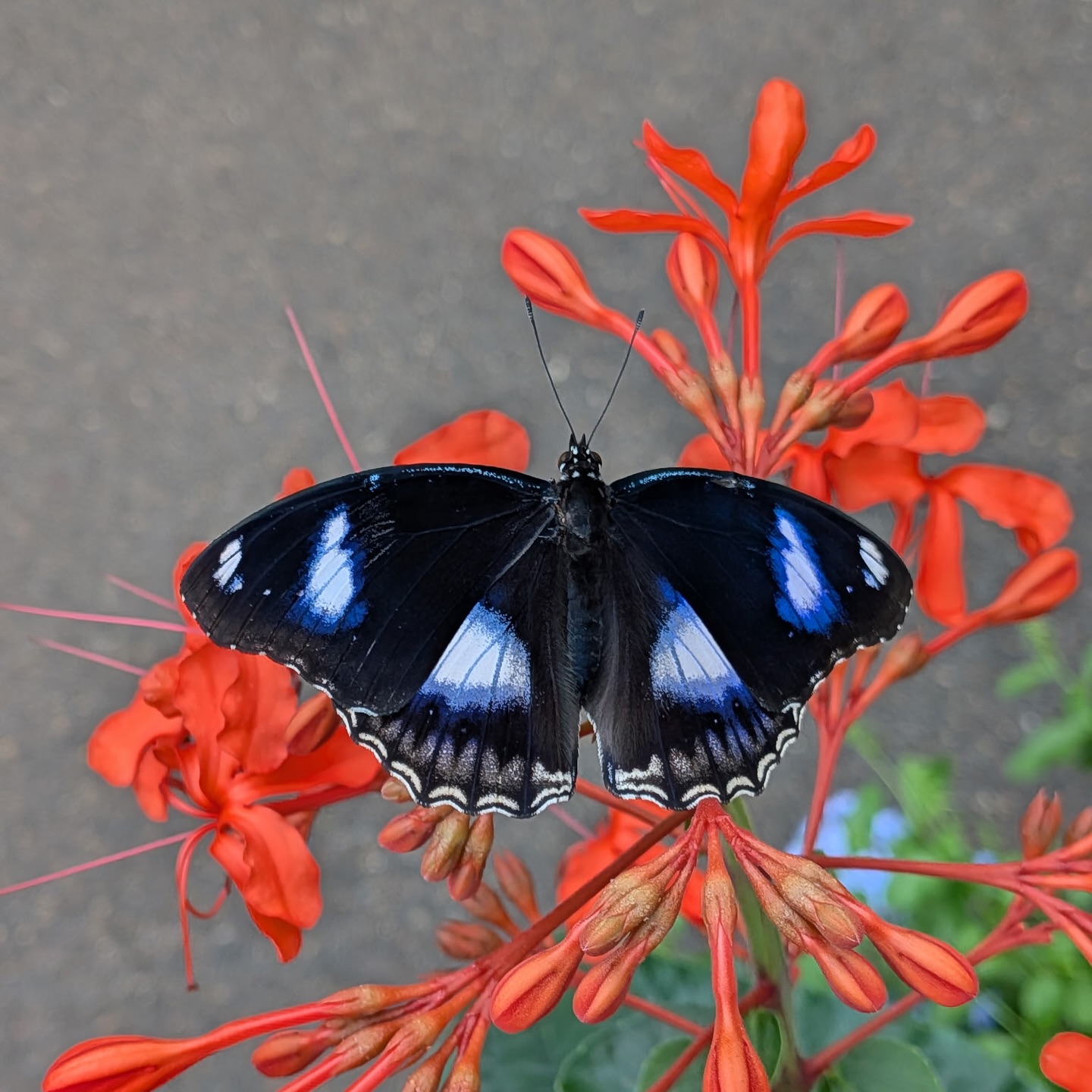
Butterflies are both beautiful and vital components of ecosystems worldwide. After a cloudy Tuesday, the emergence of butterflies reveling in today’s sunshine showcases their resilience and adaptability. Sunshine fuels the metabolic processes of butterflies, allowing them to display their colorful wings and participate actively in their environment. Weather patterns significantly influence butterfly behavior, making sunny days a spectacle of affluence and vibrancy.
Temperature plays an essential role in the lifecycle of butterflies. When the sun shines, it warms the air, raising temperatures to levels that butterflies find optimal for flight. Butterflies are ectothermic organisms, which means their body temperature is regulated by the outside environment. When temperatures rise above a certain threshold, they become more active, which is essential for foraging and mating. The cloudy day prior likely inhibited their movements, as lower temperatures coupled with moisture deter activity. The sunny Tuesday that follows provides an ideal backdrop for butterflies to engage in critical behaviors necessary for survival. This relationship highlights the importance of climate variability and how it dictates the ecological activities of these insects.
Butterflies contribute significantly to ecological balance through pollination. As they flutter from flower to flower, they transfer pollen, facilitating the reproduction of flowering plants. According to research, various species of butterflies are responsible for pollinating a substantial number of plant species. This process links them to food webs and impacts biodiversity. By helping plants reproduce, butterflies indirectly support other animals and organisms in their ecosystems. The connection is intricate; without butterflies, many plants would struggle to thrive, subsequently affecting a myriad of creatures that depend on those plants for food and shelter.
However, the stability of butterfly populations is linked to changing climate patterns. Climate change poses a host of challenges, including altered weather patterns, habitat destruction, and changing vegetation zones. Butterflies are particularly vulnerable to climate change because of their dependence on specific hosts for larval development. As temperatures increase, many habitats may become unsuitable for their survival. Several butterfly species are experiencing shifting ranges, retreating to cooler areas or becoming increasingly rare in their traditional homes. This phenomenon not only impacts butterfly populations but also disrupts the intricate ecological networks they help support.
Efforts to conserve butterflies and their habitats are increasingly vital. Organizations like The Xerces Society and the Butterfly Conservation Network are dedicated to protecting these insects as well as the ecosystems they inhabit. Strategies include habitat restoration, creating butterfly gardens, and implementing pesticide regulations. These initiatives provide butterflies with safe environments enriched with native flora, essential for feeding and breeding. Effective conservation is a multi-faceted approach that involves public engagement, education, and policy changes. Collaborative efforts can enhance habitats, making them more favorable for butterfly populations, and increasing awareness about their ecological roles.
Individuals can play a pivotal part in butterfly conservation. Planting native flowers in gardens is one way to provide sustenance to butterflies and their larvae. Different species have varied feeding preferences; therefore, cultivating a mix of nectar-rich flowers will attract a diverse assortment of butterflies. Creating a conducive environment involves understanding local ecosystems. Maintaining a chemical-free space and providing water sources can further establish an inviting habitat. Advocacy for sustainable practices in local communities can amplify collective efforts towards butterfly conservation.
Butterflies exemplify nature’s delicate balance and are essential to ecosystem health. The synergy between these insects and their environment underlines the importance of maintaining biodiversity. A sunny day not only brings joy but also serves as a reminder of the interconnectedness of all life forms. By engaging in proactive measures and enhancing our understanding of the challenges butterflies face, we can make strides toward conserving their populations. Recognition of their ecological value and advocacy for their habitats will contribute to sustaining butterfly populations for generations to come. With each sunny day, there lies an opportunity to appreciate and protect these extraordinary creatures.
*****
Source Description
After a cloudy Tuesday, the butterflies are loving today’s sunshine ☀️
📷: Chris Hartley
