
- The significance of micro forests in urban environments
- The role of community engagement in conservation efforts
- The environmental impact of invasive species
- The process of creating a micro forest and its ecological benefits
- The collaboration between organizations to promote biodiversity
The BZS Micro Forest Project recently marked a milestone by breaking ground on its 27th micro forest plot. Located near the Bailey’s Bay Cricket Club grounds on Coney Island, this 320 sq. ft. area has undergone significant preparation to welcome new plant life. The project focused on removing invasive species, enriching the soil, and introducing a range of native and endemic plants. This effort is emblematic of broader trends in conservation and urban ecology.
Micro forests serve a vital role in urban settings, providing numerous ecological benefits. They can enhance air quality, improve water retention, and offer habitats for local wildlife. These green spaces also contribute to mitigating the urban heat island effect, where built environments absorb and retain heat more than natural areas. In dense cities, the need for green zones becomes increasingly critical, as they help restore ecosystem functions often lost to development. The BZS Micro Forest Project aims to address these issues, showing how localized efforts can make significant impacts.
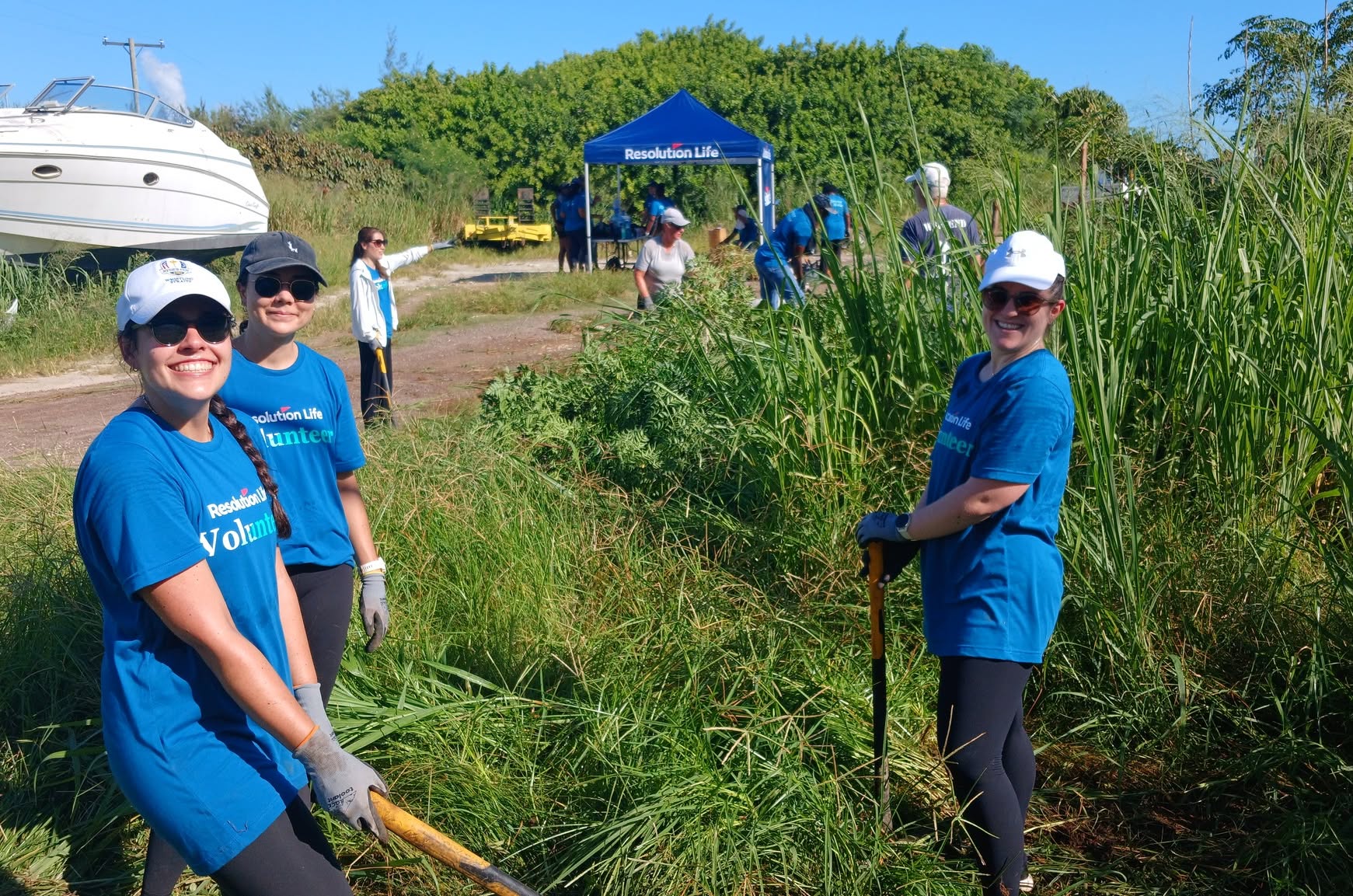
Community involvement is a cornerstone of successful conservation initiatives, and the recent collaboration with the Resolution Life team underscores this principle. The team committed hours to tackling challenging conditions to prepare the site for planting. Their dedication highlights how collective action can achieve meaningful progress. Engaging local communities in restoration projects fosters a sense of stewardship, which is essential for the permanence of conservation efforts. When individuals see the positive changes resulting from their efforts, they are more likely to advocate for continued environmental initiatives.
Invasive species pose significant threats to local biodiversity. The BZS Micro Forest Project faced off against challenging species, such as cane grass, which can overtake native flora and disrupt local ecosystems. Invasive plants outcompete native species for resources and can alter habitat structure, negatively affecting the animals dependent on these plants. By removing these invasives, the project actively works to restore balance in the local ecology. This type of intervention is crucial as it helps re-establish native plant communities that support native wildlife.
The process of creating a micro forest goes beyond simply planting trees. It involves careful site preparation and planning. For the recently established site, invasive plants were removed before introducing new vegetation. Fresh soil was added to improve nutrient availability, fostering a hospitable environment for growth. Native and endemic species were planted to ensure that the resulting ecosystem aligns with local ecological conditions. These plants are better suited for local wildlife, providing food and habitat. Moreover, micro forests are often designed to have a diverse mixture of species, which contributes to greater resilience against pests and diseases.
The environmental benefits derived from establishing a micro forest extend to a variety of ecological functions. Micro forests can capture rainwater, reducing stormwater runoff and enhancing groundwater recharge. The vegetation serves as a filter for pollutants, improving water quality in surrounding areas. Furthermore, diverse plant communities play a critical role in carbon sequestration, helping mitigate climate change effects. By restoring previously underutilized land, the BZS Micro Forest Project not only increases green space but also enhances the functionality of urban ecosystems.
The collaborative effort between organizations like the BZS Micro Forest Project and Resolution Life showcases how partnerships can amplify conservation success. Projects like these demonstrate the potential each individual or group has in contributing to a broader environmental cause. When businesses, community groups, and conservation organizations join forces, they can better leverage resources, share knowledge, and extend their reach. This collaboration fosters innovative solutions to environmental challenges and encourages others to join the movement for biodiversity preservation.
Moreover, organizing community planting days aligns with educational objectives. Participants learn about the importance of native species, invasive species management, and broader ecological concepts. This knowledge transfer can ignite passion for environmental conservation. Engaging local residents can also encourage them to take environmental stewardship into their own hands. Awareness of local biodiversity and ecosystem services cultivates a more informed public, ultimately benefitting future conservation initiatives.
Planting in urban settings also presents challenges unique to these environments. Space can be limited, and soil conditions often vary due to human activities. Urban areas may contain contaminants that necessitate additional site assessments and remediation efforts. Despite these hurdles, micro forests stand as viable solutions to restore ecological integrity. They can be implemented in smaller, previously neglected areas, allowing for maximum impact without the necessity for large tracts of land.
In addition, the micro forest model can inspire similar initiatives globally. Urban planners and policymakers can learn from the BZS Micro Forest Project’s methodology. By incorporating native plant species and focusing on community participation, cities can foster healthier ecosystems. Each micro forest acts as a small node in a larger network dedicated to environmental health, supporting biodiversity at multiple levels.
As the team from Resolution Life experienced firsthand, participating in projects like these brings an inherent sense of satisfaction. The physical effort of tending to plants, removing invasives, and enhancing the local environment builds a tangible connection between people and nature. This connection is crucial for cultivating a long-term commitment to conservation. When individuals witness the immediate impact of their actions, they become more invested in ongoing ecological efforts.
Moreover, managing urban biodiversity can have significant mental health benefits for individuals and communities. The presence of green spaces has been linked to reduced stress levels, improved mental clarity, and enhanced overall well-being. By transforming neglected areas into micro forests, communities not only benefit ecologically but also cultivate spaces for relaxation and recreation. These benefits can ripple through neighborhoods, enhancing quality of life and fostering social cohesion.
In essence, the recent groundwork for the BZS Micro Forest Project’s 27th site captures a microcosm of the larger conservation landscape. The hard work of volunteers and organizations exemplifies the potential for change when communities unite for a common cause. Tackling challenges like the removal of invasive species and promoting native biodiversity highlights the intertwined nature of ecological health and community well-being.
As this project advances, it will undoubtedly serve as a model for future initiatives focused on urban biodiversity restoration. The lessons learned from this effort will inform best practices, encouraging other cities to develop their micro forest programs. The collective actions of engaged citizens, combined with strategic collaboration between organizations, can lead to transformative impacts that extend far beyond the confines of a single plot. The importance of such grassroots movements cannot be overstated as they work towards a sustainable future.
By emphasizing the interconnectedness of ecosystems and the importance of community engagement, the BZS Micro Forest Project stands at the forefront of a vital movement. Through continued efforts to establish and restore micro forests, we can encourage diverse wildlife, enhance urban environments, and foster a culture of conservation that is sustainable for generations to come.
*****
Source Description
Last week, the BZS Micro Forest Project broke ground on our 27th micro forest plot, working alongside team members from Resolution Life, who dedicated several hours in tough conditions to prepare and plant the new site.
Located just outside the Bailey’s Bay Cricket Club grounds on Coney Island, the 320 sq. ft. area was cleared and prepared for planting: invasives removed, fresh soil added and finally a mix of native and endemic species planted on an underused piece of land.
The team tackled some stubborn invasives (looking at you, cane grass 🌿👀), dodged wasps and collected several bags of trash, all while getting to experience the rewarding work of restoring the area to support local biodiversity.
A huge thank you to the Resolution Life team! Your efforts show how much can be accomplished as we restore one small site at a time!
