
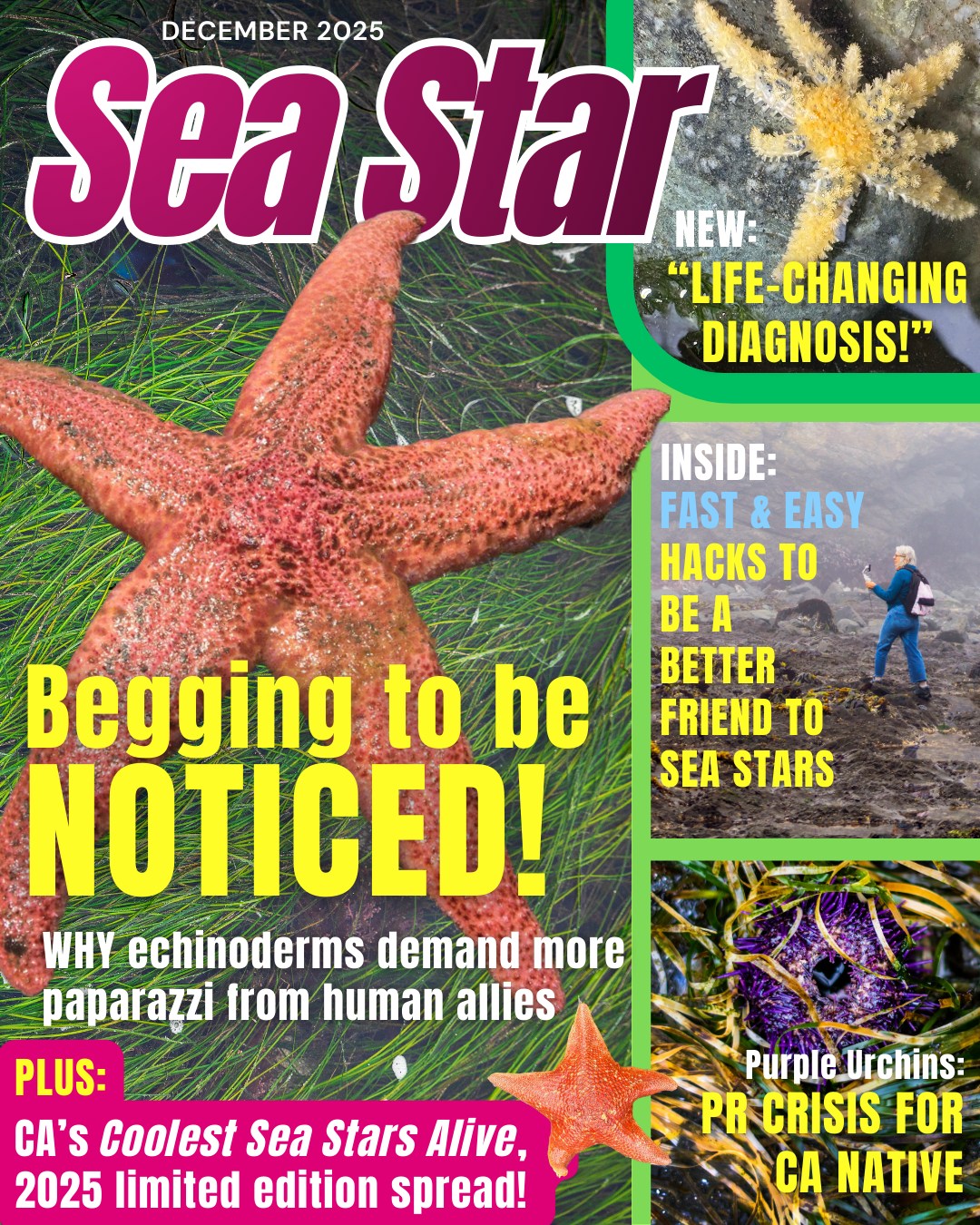
- California sea stars are vital to marine ecosystems, serving important roles in intertidal zones.
- The Solstice Sea Star Search encourages public engagement and data collection through photography and observations.
- Different species of sea stars can be identified along the California coast, each with distinct characteristics.
- Conservation efforts are necessary to protect sea stars due to environmental threats such as disease and climate change.
- Responsible photographing of sea stars requires adherence to specific guidelines that respect their habitat.
California sea stars play an essential role in marine ecosystems, acting as keystone species that help maintain the balance within intertidal environments. Known for their vibrant colors and fascinating physical traits, these echinoderms are captivating to both amateur and professional oceanographers alike. By inviting enthusiasts to photograph sea stars, the Solstice Sea Star Search promotes valuable citizen science, leading to comprehensive data collection and increased public awareness regarding marine conservation.
During this month-long event, individuals can participate in documenting key species such as the ochre star, blood star, and sunflower star. However, while it may be tempting to touch or manipulate these creatures for a better shot, it is crucial to remember that these animals thrive best when left undisturbed in their natural habitats. Observations should be made from a safe distance to minimize stress on the sea stars and their surrounding ecosystem.
California’s coastline is home to a range of sea star species, each exhibiting unique physical features. The ochre star, characterized by its vibrant orange or purple color, is one of the most well-known. Often found clinging to rocks and tidal pools, this species is vital for controlling the population of bivalves and other marine life. Blood stars, easily recognizable by their spindly arms and striking red hue, are equally interesting. They occupy a range of habitats, from rocky shores to sandy bottoms. The sunflower star, boasting many arms and a striking appearance, is larger and serves as a voracious predator in its ecosystem. Understanding the diversity of these creatures can enhance appreciation for their roles in marine health.
Participating in the Solstice Sea Star Search not only allows individuals to expand their knowledge but also contributes significantly to scientific research. Digital platforms such as iNaturalist enable participants to upload their findings, allowing scientists to analyze trends and patterns in sea star populations. This exchange of information contributes to a larger database, driving conservation efforts both locally and globally.
However, the threats faced by California sea stars cannot be overlooked. Climate change has led to increased ocean temperatures, which can cause stress and facilitate the spread of diseases. Sea star wasting syndrome, for instance, has devastated populations along the Pacific coast in recent years. This disease causes mass die-offs, weakening the ecosystem and leading to unchecked populations of herbivores that can decimate kelp forests and other vital underwater habitats. Immediate action is necessary to mitigate these threats, including habitat restoration and bolstering local sea star populations.
For those interested in photographing California sea stars, guidelines must be followed to protect the marine environment. Observers should use caution while approaching tidal pools, ensuring minimal disturbance to the surrounding area. Observing sea stars while remaining on stable ground can significantly reduce the risk of damaging their habitats. Use zoom lenses for photography wherever possible to avoid getting too close. An important aspect of responsible marine observation is leaving nothing behind. Always pack out what is brought in and discourage the Collection of specimens.
Engaging with California’s sea stars also necessitates an awareness of the potential impacts of human interaction. Coastal areas attract numerous visitors each year, and educating the public on the importance of preserving marine organisms is critical. Many local organizations and educational institutions offer workshops and volunteer opportunities aimed at raising awareness and fostering stewardship. Taking part in coastal clean-up efforts and participating in educational seminars can amplify individual impact beyond simple observation.
Promoting the conservation of California sea stars involves creating a multifaceted approach. This includes public engagement events, educational outreach, and active participation in local marine conservation initiatives. By fostering community involvement, the next generation can be equipped with the knowledge and skills necessary to protect marine ecosystems. When people understand the vital role sea stars play in the marine environment, they are more likely to contribute to conservation efforts.
It’s important for enthusiasts to become well-versed in the ecology and biology of sea stars. For instance, sea stars are capable of asexual reproduction through a process known as regeneration, allowing them to grow back lost limbs. This adaptation enables them to survive predation and environmental stressors. Such characteristics emphasize the resilience of these creatures, but they are not impervious to threats.
Additionally, understanding the feeding habits and reproductive cycles of each species can yield essential insights for conservation strategies. Sea stars are carnivorous, primarily consuming bivalves, and contribute to the balance of the marine food web. In the event of population declines, various management practices may be employed to maintain ecosystem balance.
As you participate in the Solstice Sea Star Search, consider joining forces with local organizations dedicated to marine education and conservation. Many offer programs where community members can become involved in research projects or learn more about marine life. Such partnerships not only enhance individual knowledge but can lead to substantial contributions to scientific understanding.
The beauty of California sea stars is not just in their striking appearance, but also in their ecological functions. By participating in monitoring programs, community members can provide essential observations on the health of local populations. This citizen science approach ensures that valuable information about these fascinating creatures is preserved for future generations.
Throughout the month-long Solstice Sea Star Search, documenting encounters with these organisms provides an enjoyable opportunity for education and exploration. By understanding their unique biology, playing an active role in data collection, and following ethical guidelines, participants can make a lasting impact.
Marine conservation is an evolving field, integrating traditional ecological knowledge with modern scientific research. As climate change continues to challenge marine ecosystems, collaborations among scientists, local communities, and organizations become increasingly vital. This collective effort toward conservation holds the key to preserving the intricate tapestry of life that California’s sea stars and other marine organisms embody.
By engaging with California’s sea stars properly, enthusiasts not only foster a deeper appreciation for marine life but can also contribute critical data, making a real difference in conservation. Being mindful of actions in coastal areas ensures the longevity of marine environments and the species that inhabit them. The beauty of California’s coastline is best enjoyed when ecological balance is maintained, ensuring these creatures thrive for generations to come.
*****
Source Description
BREAKING NEWS: California sea stars WANT you to photograph them, actually!
In our December cover story, we dive into Solstice Sea Star Search, a monthlong quest to document California’s sea stars. Take advantage of low tides and make @inaturalistorg observations of reliable ochre stars, spindly blood stars, and many-armed sunflower stars—if you’re lucky.
Friendly reminder to leave stars and other intertidal animals alone. No touching or taking! Head to bit.ly/SeaStar25 for more info.
