
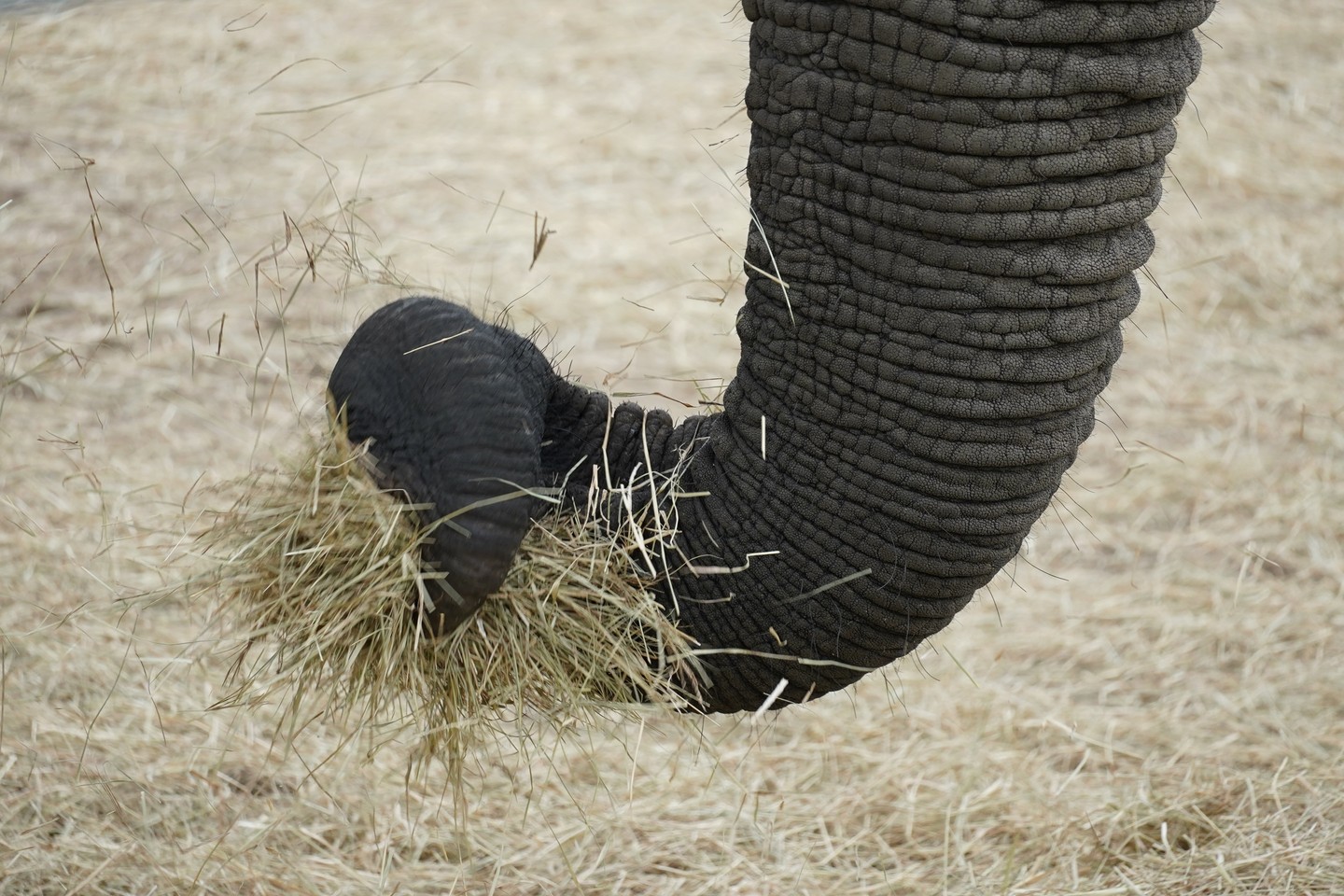
- Engaging with animal identification games
- Importance of species recognition in conservation
- Role of zoology in animal identification
- Techniques for identifying different species
- The connection between animal identification and wildlife management
Animal identification games, like “Can you guess that animal?” serve as an engaging and interactive way to learn about various species. They can spark interest in wildlife, promote awareness of biodiversity, and deepen understanding of the natural world. These activities can be particularly effective for schools, community programs, or informal learning environments, allowing participants to develop observational skills and knowledge about animal traits.
Recognizing different species is crucial for wildlife conservation. It allows individuals to understand the ecological roles that various animals play and the importance of each species within its ecosystem. For instance, knowing which animals are endangered or threatened can inform conservation strategies. This insight can mobilize public interest and resources for protecting habitats and species. Raising awareness about diverse animal species directly influences conservation efforts and promotes environmental stewardship.
Zoology plays a significant role in animal identification. The discipline encompasses the study of animals, their behavior, physiology, and ecology. Zoologists utilize a range of scientific methods to classify animals, which involves understanding their genetic makeup, evolutionary history, and ecological interactions. Traditional taxonomy relies on morphology—the physical features of animals—to differentiate species. However, advancements in genetics have provided new tools for understanding how closely related different species are, allowing for more accurate classifications. For example, the understanding of animal groups such as mammals, birds, amphibians, and reptiles stems from both morphological characteristics and genetic analysis, leading to more comprehensive knowledge of biodiversity.
Various techniques can aid in species identification. Observational skills are paramount, as they allow individuals to notice distinguishing features such as size, color patterns, and behavior. Field guides enhance these efforts by providing visual representations and specific information about wildlife. Online databases and mobile apps also play a vital role. They offer innovative ways to identify animals via species recognition technology, enabling users to learn on-the-go.
Animal tracks provide another useful method for identification. Learning how to recognize footprints and signs of various animals can greatly enhance understanding of wildlife presence in specific areas. Furthermore, sound identification is another technique, particularly for birds and certain mammals. Many species have unique calls or sounds that can be indicators of their presence, particularly in dense habitats where visibility is limited.
The connection between animal identification and wildlife management is significant. Understanding which species inhabit an area can inform habitat management practices. Conservationists can monitor populations, track migration patterns, and assess ecosystem health effectively when they can accurately identify and document species. Managed ecosystems often require careful planning, and effective wildlife management determines how human activities impact animal populations.
Promoting species identification not only enriches individual knowledge but also fosters a community ethos aimed at wildlife preservation. People who can identify local animals are often more inclined to participate in conservation initiatives and advocacy programs. Building grassroots efforts—where members of the community are empowered with knowledge—is critical in the fight against habitat destruction, pollution, and climate change, all of which pose significant threats to biodiversity.
The educational components of these animal identification games foster a sense of curiosity and a desire to explore. Engaging various age groups in interactive learning experiences cultivates a connection with nature. There are opportunities to implement these games in classrooms, museums, and even wildlife sanctuaries. They can provide fun, yet educational experiences that blend entertainment with scientific learning.
Encouraging participation in wildlife initiatives helps build a culture of respect toward nature. It’s beneficial for people of all ages to understand the roles animals play within ecosystems. Engaging in activities like “Can you guess that animal?” can motivate young people to pursue careers in the sciences, particularly zoology, conservation biology, and environmental science. Moreover, cultivating gratitude and respect for the animal kingdom informs ethical interactions with wildlife.
In addition to traditional methods of species identification, technology provides exciting new avenues for exploration. Biologists are increasingly employing drones for aerial surveys, which help them identify various animal populations from above. Camera traps have also become standard tools in wildlife studies. These devices can capture images of unsuspecting animals in their natural habitats, providing crucial insights into species behavior and monitoring population trends.
Conservationists often rely on citizen science initiatives, where volunteers contribute data regarding local fauna. Apps and online platforms allow individuals to log sightings and share photographic evidence. This collaborative approach expands the reach of conservation efforts and provides invaluable real-time data for researchers studying species distribution and abundance.
Educational campaigns are necessary to maximize the impact of species identification. They can focus on promoting awareness about endangered species, the importance of biodiversity, and environmental ethics. Multimedia presentations and workshops enhance understanding around the significance of various animal species and the threats they face.
Wildlife management is most effective when informed by accurate species identification. The role of ecological research is to gather essential data about animal populations, which directly influences policy decisions regarding land use and conservation strategies. Decisions made without a thorough understanding of local wildlife can have devastating consequences.
Overall, games focused on animal identification can play a pivotal role in fostering a culture steeped in environmental awareness. By engaging individuals and communities in animal recognition activities, we enhance public knowledge and empower people to take concrete actions in protecting biodiversity. As the understanding of species grows, the potential for effective conservation strategies strengthens.
Animal identification extends beyond entertainment; it serves as a tool for education, engagement, and empowerment in the larger mission of wildlife conservation. Through various methods—observational techniques, technology, and community involvement—individuals can contribute to preserving our planet’s diverse life forms. By nurturing curiosity about different species, we lay the groundwork for more profound connections between humanity and the natural world.
*****
Source Description
Can you guess that animal? 🤔💭
How about that species of animal? We are *all ears* to hear your answers!
