
- The importance of animal identification in wildlife education
- Insights into animal characteristics from close-up images
- The role of zoos in conservation and education
- Engaging the public through interactive activities
- The impact of close-up animal features on species recognition
Understanding the animal kingdom requires a keen eye and a depth of knowledge. Identifying animals from close-up images serves as a fascinating entry point into wildlife education. Close-up images highlight distinctive features, textures, and colors that allow observers to draw connections between different species. This level of observation promotes awareness and respect for wildlife, encouraging proactive involvement in conservation efforts.
Animal identification hinges on an understanding of morphology, the study of the form and structure of organisms. Different species exhibit various characteristics, such as fur patterns, skin textures, and anatomical features that set them apart. For example, observing the unique arrangement of scales in reptiles or the intricate fur patterns in mammals can offer significant insight into the evolutionary adaptations of these animals.
Educational programs often use close-up images to stimulate interest in biodiversity. By presenting a segment of an animal’s physical makeup, educators promote discussion regarding habitats, diet, and behavioral patterns. This method helps facilitate a deeper understanding of how species interact with their environments. Engaging with these images can spark curiosity, leading individuals to research further about wildlife, its conservation, and its natural history.
Investigating the role of zoos in wildlife education highlights how these institutions are instrumental in the preservation of species. Zoos are not merely recreational spaces; they are centers for research and conservation. Many zoos engage in captive breeding programs aimed at species that are endangered in the wild. By showcasingspecific animal traits through their exhibits, zoos provide an interactive platform for learning. Visitors encounter animals not just in their habitats, but also through educational presentations that highlight their unique adaptations and behaviors.
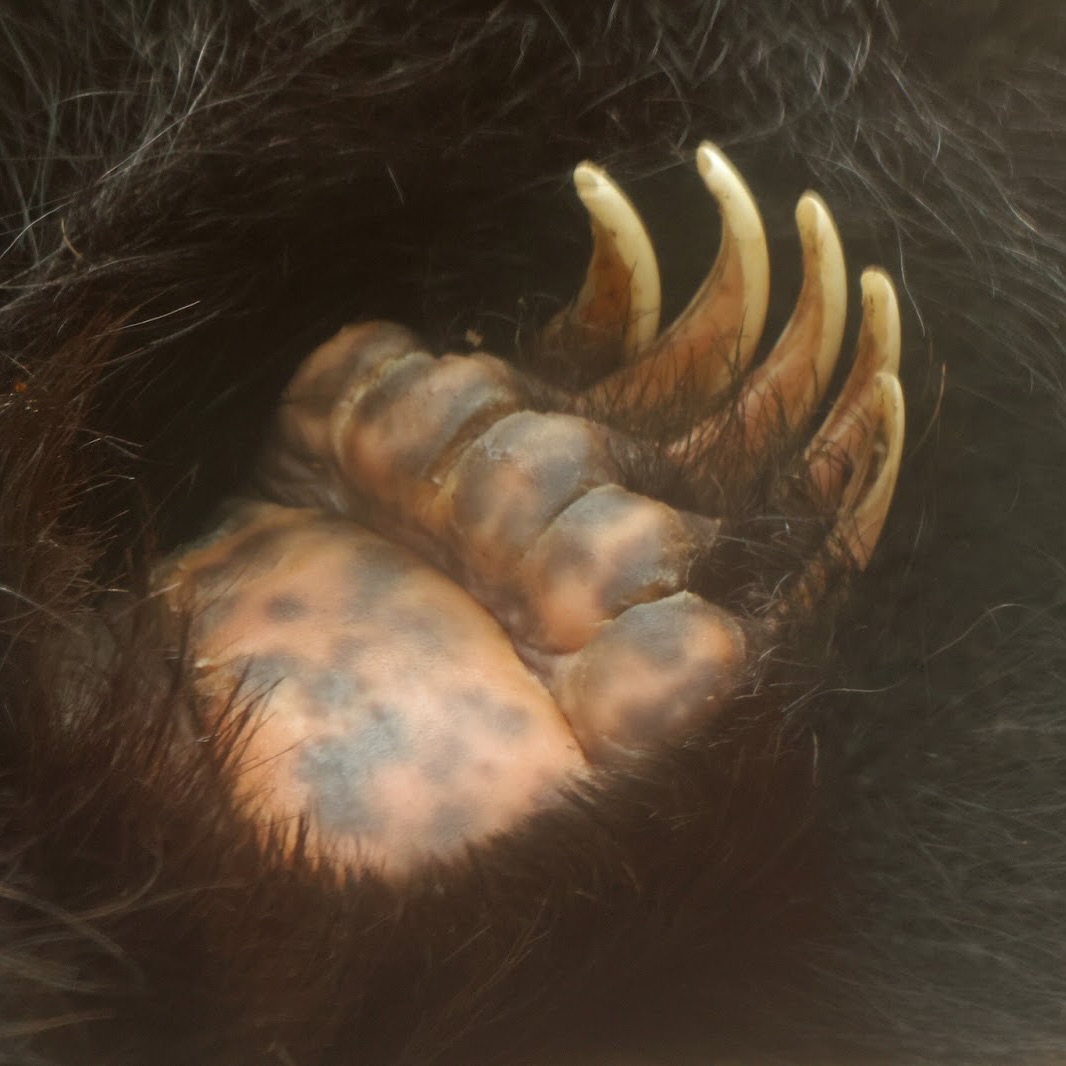
Public engagement through interactive activities is another significant focus for many zoos. Programs such as quizzes or guessing games featuring close-up images of animals encourage participation. These challenges not only entertain but also educate the public about biodiversity. For instance, when visitors guess the identity of an animal from a close-up, it compels them to think critically about the various species. This approach highlights the diversity within ecosystems and fosters an appreciation for the complexities of wildlife.
The impact of close-up animal features on species recognition cannot be understated. Certain species possess features that are not only visually striking but also functionally important. For instance, the coloration or pattern of a butterfly’s wings serves as camouflage against predators while also playing a role in sexual selection. Recognizing such nuances allows for a greater appreciation of evolutionary biology.
When analyzing feathers, scales, or fur, the textures observed can reveal information about the animal’s habitat and lifestyle. For instance, the dense fur of a snow leopard keeps it warm in its mountainous habitat, while the sleek skin of a dolphin aids in its aquatic agility. Such details contribute to a broader understanding of how diverse environments shape the evolutionary journey of different species.
Zoos also serve as essential repositories of knowledge and advocates for wildlife protection. Programming often includes discussions on habitat destruction, poaching, and climate change. By showcasing the vulnerabilities of various species, these institutions play a role in raising awareness about global conservation challenges. Facilitating discussions on these pressing issues is vital for fostering a conservation-minded society.
Moreover, many zoos partner with conservation organizations, thus catalyzing community and international initiatives aimed at species preservation. These collaborations often involve fieldwork and training that benefit both the species in question and the local communities that share their habitats. By investing in local conservation efforts, zoos contribute not only to animal welfare but also to sustainable practices that benefit human populations.
Another aspect to consider is the demographic engagement during activities centered around animal identification. Programs designed for school children can instill an appreciation for wildlife conservation from a young age. These educational initiatives often incorporate creative approaches, such as art, technology, and hands-on experiences that enhance learning.
The role of technology in wildlife education is increasingly significant. Digital platforms allow for interactive experiences that can be engaging and informative. Mobile applications and online quizzes can facilitate an immersive educational journey that can reach broader audiences. For example, augmented reality experiences enable individuals to learn about animal anatomy and behavior in an interactive way, often using components like close-up images to captivate interest.
In fostering a culture rooted in conservation, zoos play a crucial role in elevating public understanding of biodiversity. When individuals grasp the importance of each species and its ecosystem function, they become more invested in conservation efforts. As animals struggle with habitat loss and other anthropogenic pressures, education becomes a key strategy for long-term wildlife conservation.
Educational initiatives bolster community involvement in wildlife protection. Programs featuring animal encounters or behind-the-scenes tours make learning engaging and memorable. It draws people into a proactive stance regarding wildlife. Many participants leave with a sense of responsibility to advocate for preservation efforts in their communities.
Additionally, the use of close-up images capturing intricate animal details can help foster empathy among the audience. Recognizing traits that define each species can lead to a deeper understanding of their intrinsic value. Empathy is paramount when it comes to environmental stewardship. Moreover, this emotional connection can motivate individuals to take action, whether by supporting local conservation efforts or adopting sustainable lifestyle choices.
Animal identification also highlights the call for conservation at a global scale. The ongoing crisis affecting many wildlife species serves as a reminder of the imperative to act. Engaging with the public through interactive experiences helps emphasize the idea that each individual can contribute to a more sustainable future.
As part of this initiative, zoos frequently promote responsible tourism and sustainable practices for wildlife interactions. By educating visitors on how to observe wildlife ethically, zoos help mitigate harmful practices such as habitat disturbance or illegal wildlife trading. This educational outreach empowers individuals to become informed advocates for conservation in their own right.
Exploring animal identification in the context of close-up images enhances our understanding of wildlife. It showcases the beautiful diversity of life on Earth while promoting responsibility and conservation awareness. As the cycle of education continues, each person has the opportunity to play a part in protecting the world’s wildlife. By encouraging interactions that stimulate curiosity and compassion, we pave the way for a more sustainable coexistence with the animal kingdom.
Engagement with wildlife, whether through direct observation or educational programs, fosters a culture of appreciation. Programs that utilize close-up images not only entertain but also educate audiences, leading them towards meaningful connections with wildlife. In this way, they become ambassadors for conservation, advocating for the protection of the species they have learned about.
The guessing game format over an animal close-up further enhances engagement. As participants work to identify a creature, they learn more about various species. Insights drawn from these activities extend beyond common knowledge and urge individuals to explore the science behind animal adaptations and their significance in the ecosystem.
Regularly involving the public through challenges and interactions nurtures a sense of shared responsibility for wildlife preservation. It sets the stage for ongoing conversations about biodiversity. Thus, education intertwines with entertainment, creating memorable experiences that resonate with visitors long after they leave the zoo.
Close-up images provide a window into the animal kingdom, sparking interest and fueling conversations about conservation. They encapsulate the beauty, diversity, and necessity of wildlife, emphasizing why we must prioritize their protection. As the guessing game continues, participants not only discover the answers but also unravel the stories woven into nature that demand our respect and conservation efforts.
In turning the focus onto animal identification and wildlife conservation, we recognize that informed citizens are crucial to fostering an environment where biodiversity thrives. Every effort to engage the public plays a part in raising awareness and nurturing a future where humans and wildlife coexist harmoniously.
*****
Source Description
Can you guess which animal this close-up belongs to? 🤔
Drop your answer in the comments!
First one to guess correctly, wins 2 general admission tickets to the Zoo! Answer will be revealed later today!
