
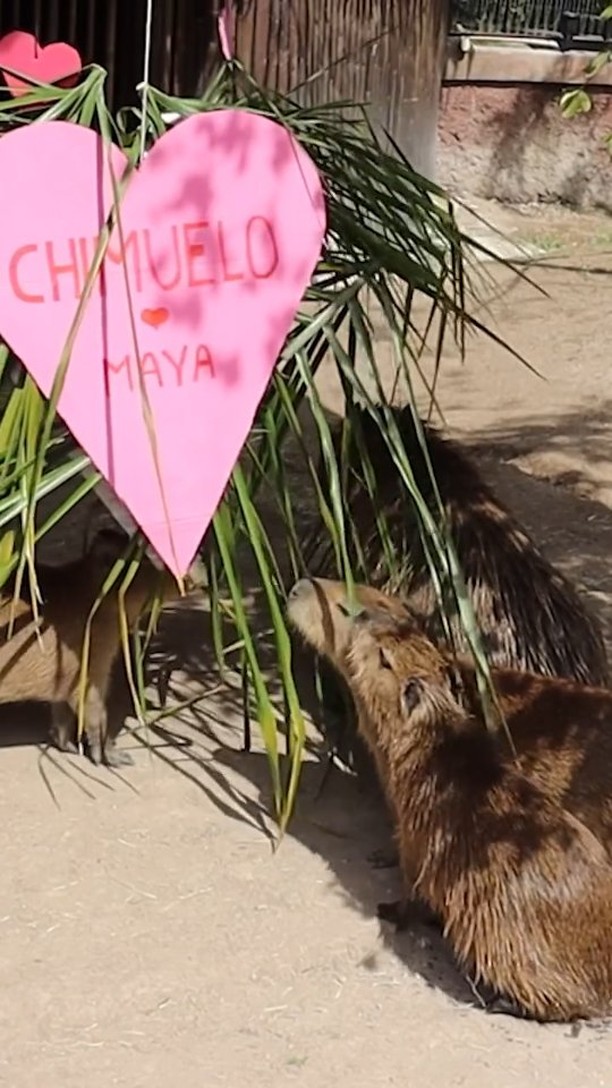
- Capybara family behaviors and social dynamics.
- Importance of celebrating wildlife within zoos and conservation areas.
- Capybara ecology and adaptation in natural habitats.
- Impact of shared experiences on animal welfare and conservation efforts.
- Role of social media in wildlife awareness and education.
Capybaras are fascinating creatures known for their social nature, often celebrated for their gentle and calm demeanor. Observing family behaviors in these animals offers incredible insights into their dynamics. Capybaras display intricate social structures, often living in family groups composed of 10 to 20 individuals, though larger clusters are not uncommon. These bonds are vital for their survival and overall well-being. In a zoo environment, fostering such social interactions can lead to healthier, more active animals, enhancing their quality of life.
Within zoos and conservation facilities, celebrating events like Valentine’s Day can provide enrichment for animals, enhancing their welfare. Such initiatives reflect the commitment of zoologists and caretakers to create stimulating environments that mimic natural habitats. Enrichment activities often involve introducing new elements or scenarios into the animals’ daily routines, encouraging exploration and bonding. In the case of capybaras, these events can strengthen familial bonds and promote natural behaviors, such as grooming and playing, which are vital for their mental and physical health.
Understanding capybara ecology is crucial in appreciating their adaptability. Native to South America, these semi-aquatic mammals thrive in diverse habitats, from dense forests to open plains near water bodies. Their adaptability is largely due to their social structure, which aids in predator detection and enhances foraging efficiency. Their diet mainly consists of grasses and aquatic plants, terms crucial to their digestive system, which is adapted to break down fibrous material. This ecological role underscores the importance of conserving their natural habitats and understanding their interactions with the ecosystem.
Shared experiences, such as family celebrations within animal groups, have a profound impact on conservation efforts. By creating bonds, animals often display increased resilience and adaptability to changing environments. Conservation initiatives that incorporate social dynamics can improve the success rates of reintroduction programs and help maintain genetic diversity in captive populations. Moreover, these experiences foster greater empathy and support from the public, enabling conservationists to secure much-needed funding and resources.
Social media plays a pivotal role in wildlife awareness and education. Platforms like Instagram allow conservationists and zoos to reach a wider audience, sharing engaging content that highlights animal behaviors and conservation messages. By showcasing events where animals like capybaras celebrate together, institutions can captivate the public’s interest and encourage involvement in conservation activities. These digital interactions increase public understanding and appreciation of wildlife, driving efforts to protect and preserve biodiversity.
Capybaras, by their very nature, offer a compelling study of social dynamics and adaptability in the animal kingdom. By celebrating their behaviors, champions of animal welfare and conservation can inspire both appreciation and active support for ecological stewardship. These efforts underline the significance of fostering environments that nurture natural behaviors, ensuring the well-being of capybaras and other wildlife. Through carefully crafted initiatives and public engagement, the message of conservation can continue to grow, benefiting both the animals and the ecosystems they inhabit.
*****
Source Description
🦫💖 Nuestros capibaras celebraron en familia, disfrutando juntos de este 14 de febrero. 📸🐾💕
