
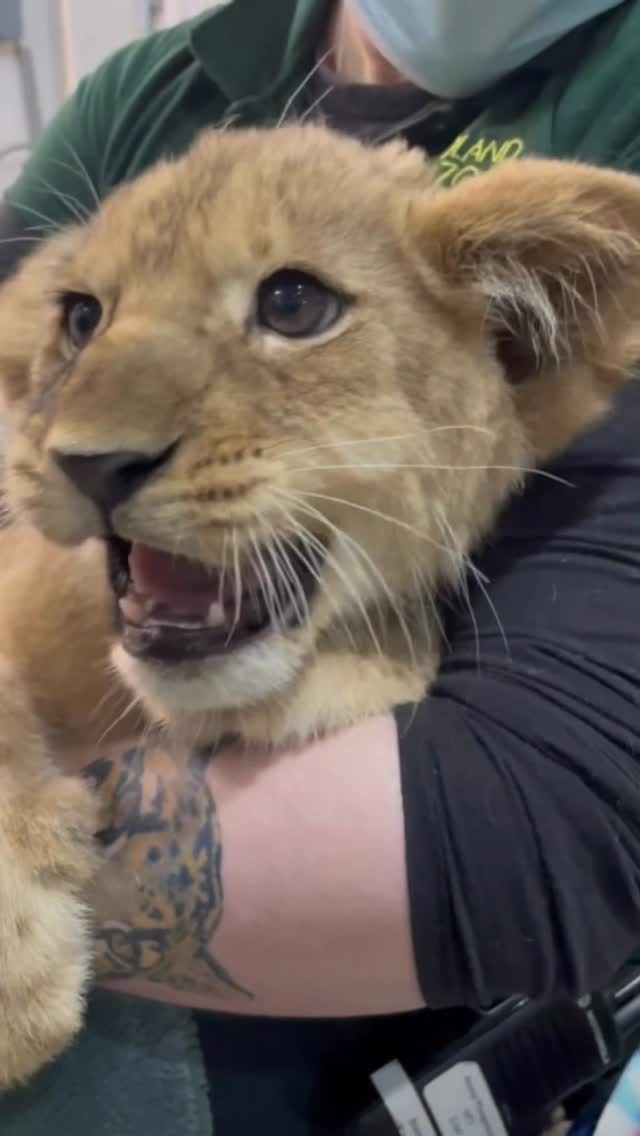
- The comprehensive care provided by animal health experts for newborn wildlife.
- The crucial role of vaccinations in the health of newborn animals.
- Growth assessment techniques and their importance in early wildlife development.
- The impact of environmental factors on neonatal animal health and growth.
- Conservation efforts and the role of zoos in baby animal welfare.
Newborn animals, particularly in wildlife conservation settings, receive an extensive level of attention from dedicated teams of animal health professionals. These teams are composed of veterinarians, animal care specialists, and zoologists who focus on ensuring that the youngest members of the animal kingdom are given every opportunity to thrive. The welfare of newborns like lion cubs Zawadi and Kamari not only relies on immediate care but also on a comprehensive understanding of their biological, environmental, and social needs.
A key aspect of this rigorous care involves routine health assessments. Regular checkups play a significant role in tracking the weight and growth progress of newborn animals. Health professionals utilize sophisticated techniques to monitor vital signs and growth metrics, allowing them to detect any potential issues early. For instance, weight is a critical indicator of health, serving as a benchmark for overall well-being. Deviation from normal growth patterns can signal underlying problems that may require intervention.
Vaccination programs are another crucial element in the comprehensive care of newborn wildlife. Newborn animals often have limited immune responses immediately after birth. To combat this vulnerability, they receive essential vaccines that protect against both common diseases and those endemic to their species. This proactive approach to disease prevention is pivotal in conservation efforts, particularly in species that are at risk of extinction. Vaccinations help ensure a healthy start, allowing animals to develop into resilient adults that can adapt to their natural habitats with greater success.
Growth assessment strategies extend beyond weight measurements. Expert teams also evaluate body condition, overall appearance, and behavioral responses to enrich developmental insights. These assessments often include physical examinations and behavioral evaluations. For instance, observing a cub’s ability to interact with its environment—or even with its mother—provides critical data on social skills and neurological development. Such multi-faceted evaluations are essential, as they help guide care decisions and tailor strategies specific to each animal’s needs.
Environmental factors also play a vital role in a newborn’s health and growth. Natural habitats influence the availability of resources, social dynamics within groups, and exposure to potential stressors. Understanding these nuances allows health experts to recreate optimal conditions within zoo settings. For instance, offering natural enrichment activities that mimic wild experiences ensures that animals develop essential survival skills. These factors highlight the interconnectedness of environment and health, showcasing the importance of habitat considerations even within controlled environments.
Moreover, zoo management plays a vital role in conservation efforts aimed at ensuring healthy populations of endangered species. Educational outreach and community involvement contribute significantly to wildlife protection initiatives. By fostering awareness and encouraging public participation, zoos can support ongoing research and funding for conservation programs. This collaboration builds a broader understanding of the threats facing wildlife and the importance of maintaining biodiversity.
The routine care of newborn animals also includes nutritional support tailored to their specific needs. Just as human infants rely on optimal nutrition for proper growth, so too do animal babies. Formulated diets may closely resemble what they would consume in the wild, ensuring they gain the necessary nutrients for development. Observation of feeding behaviors provides additional insights into their health. Palatability and feeding habits can indicate not only physical health but also emotional and psychological well-being.
It is also essential to consider the psychological aspects of care. For newborns, maternal bonding is crucial. During their formative weeks, the interaction between mothers and their young fosters emotional stability. The presence of caregivers ensures that any distress or separation anxiety is minimized, allowing young animals to acclimate to their environment more comfortably. Supporting these bonds contributes to a healthier upbringing, reducing stress and promoting a stronger social structure in the future.
Breeding specialists play a significant role in the process as well. Their expertise in genetics and breeding programs is fundamental in ensuring that populations maintain genetic diversity essential for resilience against diseases and environmental changes. Selecting appropriate breeding pairs helps mitigate hereditary health issues. This knowledge becomes even more critical when endangered species are involved, as promoting a varied gene pool is necessary for long-term survival.
The collaboration between animal health professionals and zookeepers is vital to this comprehensive approach to care. By synergizing their knowledge and skills, they create structured environments that mimic natural settings while closely monitoring animal welfare. Each specialist brings a unique perspective, benefiting the animals through diverse approaches to their care.
Additionally, the training of staff is imperative in maintaining high standards of care. Regular workshops and educational opportunities ensure that personnel remain informed about the latest advancements in animal health and welfare. This constant evolution of knowledge serves not only to improve animal care practices but also enhances the overall experience for visitors who seek to learn more about wildlife conservation.
In the context of conservation, newborns symbolize hope—the future of their species rests in their healthy upbringing. To enhance conservation efforts, zoos have begun to leverage technology, conducting genetic studies and employing advanced health monitoring systems that provide deeper insights into the well-being of animal populations. This technological approach aids in tracking health trends, allowing experts to adapt their strategies as necessary based on real-time data.
The personal care and attention given to newborns foster emotional connections that transcend mere observation. Visitors to zoos often engage with educational materials that highlight the significance of individual animals, creating a sense of responsibility towards wildlife conservation. This connection can spur action and encourage further involvement in conservation efforts, promoting a culture of stewardship that extends beyond the zoo.
Through public awareness campaigns focused on the birth and care of newborn animals, zoos can inspire individuals to participate in conservation initiatives actively. These drives not only educate the public but also challenge misconceptions about wildlife. By shedding light on the complexities of animal care, the contributions made by animal health experts are underscored, fostering appreciation for the dedication needed to safeguard wildlife.
Ultimately, the journey of newborn animals like Zawadi and Kamari is a testament to the relentless efforts of animal health experts and conservationists. Their work supports not just the health of individual animals but also the broader ecological framework that sustains the world’s biodiversity. Nurturing these precious young lives is not just about immediate survival; it is a foundational approach to ensuring the longevity of species for generations to come.
*****
Source Description
Once babies are born, they are doted on by an entire team of animal health experts. From regular checkups for weight and growth progress to newborn vaccines, tremendous care is taken to ensure that each newborn, like lion cubs Zawadi and Kamari, get everything they need to start life on the right paw.
