
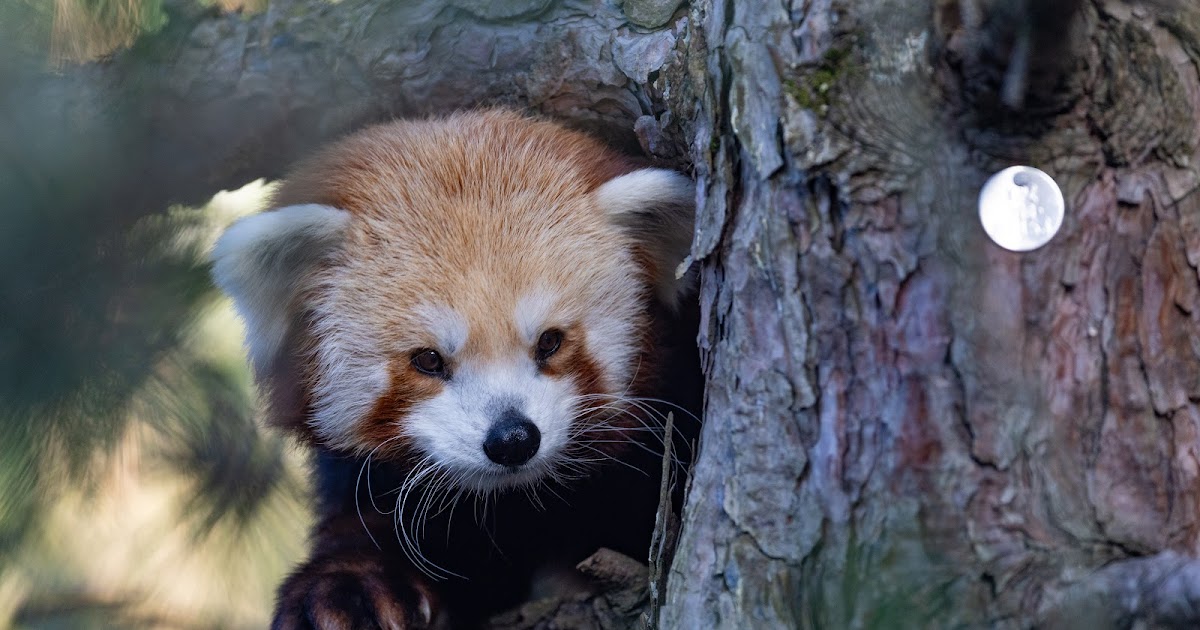
Summary of Carson the red panda moves into his new digs in Forest Trailhead, opening May 1:
Woodland Park Zoo is set to open its new exhibit, Forest Trailhead, on May 1, 2026, featuring a variety of species including red pandas, tree kangaroos, and kea parrots. The 12,000-square-foot space highlights forest conservation and offers early access to zoo members from April 28-30, 2026.
Carson, an 11-year-old red panda, is the latest addition, showing signs of adjustment to his new habitat. The introduction of animals is managed carefully to ensure their well-being, as explained by zoo staff. The exhibit aims to immerse visitors in forest ecosystems and educate them on the importance of conservation, especially through the zoo’s partnership with local communities in Papua New Guinea.
The project was made possible by the generous support of nearly 7,800 donors. Red pandas are classified as endangered due to habitat loss and poaching, and the zoo is involved in conservation efforts in Nepal. Membership options are available that include benefits like early access to the exhibit.
- Carson the red panda’s transition into the Forest Trailhead at Woodland Park Zoo.
- The significance of Forest Trailhead in wildlife conservation and education.
- A closer look at red pandas, their habitats, and conservation efforts.
- The design and layout of the Forest Trailhead exhibit.
- Community engagement and ways to contribute to red panda conservation.
Carson the red panda is taking his first steps into a brand new habitat at Woodland Park Zoo’s Forest Trailhead. This long-awaited exhibit opens its doors to the public on May 1, 2026, but offers member preview days from April 28 to 30. Located at the zoo’s West Plaza entry, Forest Trailhead covers a substantial area of 12,000 square feet and encompasses an additional acre of outdoor grounds. This innovative space highlights the critical importance of forests for biodiversity and aligns with global efforts in forest conservation.
As Carson nests into his new digs, his introduction is carefully managed. At 11 years old, he is familiar with life in a zoo but faces the inevitable stress of acclimatizing to new surroundings. Megan Blandford, an animal keeper at Woodland Park Zoo, reports that Carson’s comfort has been promising. He has shown enthusiasm in exploring his environment, leaving scents and marking his territory. Such behaviors are indicative of an adaptable animal who is beginning to assert himself in this fresh space.
The introduction of animals to new habitats requires a thoughtful strategy focused on each species’ specific needs. Dr. Luis Neves, Senior Director of Animal Care, emphasizes that Carson’s acclimatization involves staggered introductions that consider both individual traits and natural behaviors. For instance, red pandas are adept climbers and often display curiosity toward their surroundings. The zoo staff carefully observes Carson to ensure his transition is smooth, allowing him to explore at his own pace.
The Forest Trailhead itself is remarkably interactive, transforming the experience of zoo visitors. This innovative exhibit invites guests to immerse themselves in the ecosystem of forests, known for hosting the highest diversity of wildlife on the planet. Guests will traverse a canopy path, mimicking the perspective of tree-dwelling animals, enhancing both awareness and learning about species like Carson and the Matschie’s tree kangaroo from Papua New Guinea.
Conservation extends beyond just showcasing species; the Forest Trailhead aims to educate visitors about global environmental issues. The space will provide an empowering narrative on the cultural and ecological significance of forests. Woodland Park Zoo collaborates with the Tree Kangaroo Conservation Program (TKCP), which engages local communities in Papua New Guinea to protect cloud forests. This initiative focuses on sustainable livelihoods alongside conservation, ensuring that local populations benefit from preserving their natural resources.
Visitors will also encounter the kea, a species of parrot native to New Zealand. These birds exhibit problem-solving skills and intelligence, catching the attention of both adults and children. The mix of exhibits featuring various tree-dwelling reptiles and amphibians rounds out the educational experience, providing insights into ecosystems that are often overlooked. Species like the four-eyed turtle and the Fiji banded iguana will captivate those interested in biodiversity.
The architectural design of Forest Trailhead reflects a commitment to creating an educational and engaging atmosphere. LMN Architects and Sellen Construction have engineered a space that seamlessly integrates with the natural environment surrounding the zoo. The paths throughout the exhibit lead to fascinating learning opportunities regarding forest ecosystems, showcasing the vital role they play in global health.
Carson and other residents of the Forest Trailhead exhibit represent a critical aspect of the zoo’s initiatives aimed at ensuring the survival of endangered species. Red pandas, specifically, are classified as endangered due to habitat destruction, poaching, and human-animal conflict. Their population has dwindled primarily due to forest loss in their native habitats across Nepal, India, Bhutan, and parts of China. The conservation initiatives at Woodland Park Zoo, particularly during the transition to Forest Trailhead, will provide a platform to raise awareness about these challenges.
Partnering with organizations like the Red Panda Network, Woodland Park Zoo aims to foster conservation efforts in Nepal specifically related to red pandas. This partnership extends to creating sustainable livelihoods for communities living in regions where red pandas thrive. As a part of this initiative, several trees will be planted in Nepal for each new or upgraded Family Passport membership purchased until April 15, 2026. This effort conveys an important message: conservation and community improvement can go hand in hand.
Community involvement is essential in wildlife conservation. The grand opening of Forest Trailhead will coincide with a renewed call to action for individuals to support environmental efforts. Membership at Woodland Park Zoo offers exclusive access to early visits, encouraging community engagement and increased awareness. Special promotions, including discounted memberships, make it feasible for more families to join in on this mission.
Woodland Park Zoo remains grateful to its community of donors and members whose contributions have made initiatives like Forest Trailhead possible. Collaborations among nearly 7,800 individual donors reflect an invested interest in wildlife conservation and education. The newly opened habitat is a result of combined efforts that champion a responsible future for both wildlife and communities.
Carson’s story is a reminder that each animal has unique needs and circumstances. His adjustment to Forest Trailhead symbolizes broader efforts in wildlife care and conservation. By ensuring that each step of his transition is met with careful consideration, Woodland Park Zoo is setting a high standard in animal management.
In summary, Carson’s move to Forest Trailhead at Woodland Park Zoo is much more than just a change of scenery. It represents an innovative approach to animal care that emphasizes conservation, education, and community engagement. This new exhibit is destined to inform and inspire, encouraging the public to value the fragility of ecosystems and the species that depend on them. The Forest Trailhead serves as a powerful reminder that life in the trees is interconnected with human action, urging everyone to take steps for the welfare of our planet’s biodiversity.
